Rice VS Pad Thai
A detailed nutritional comparison

Rice
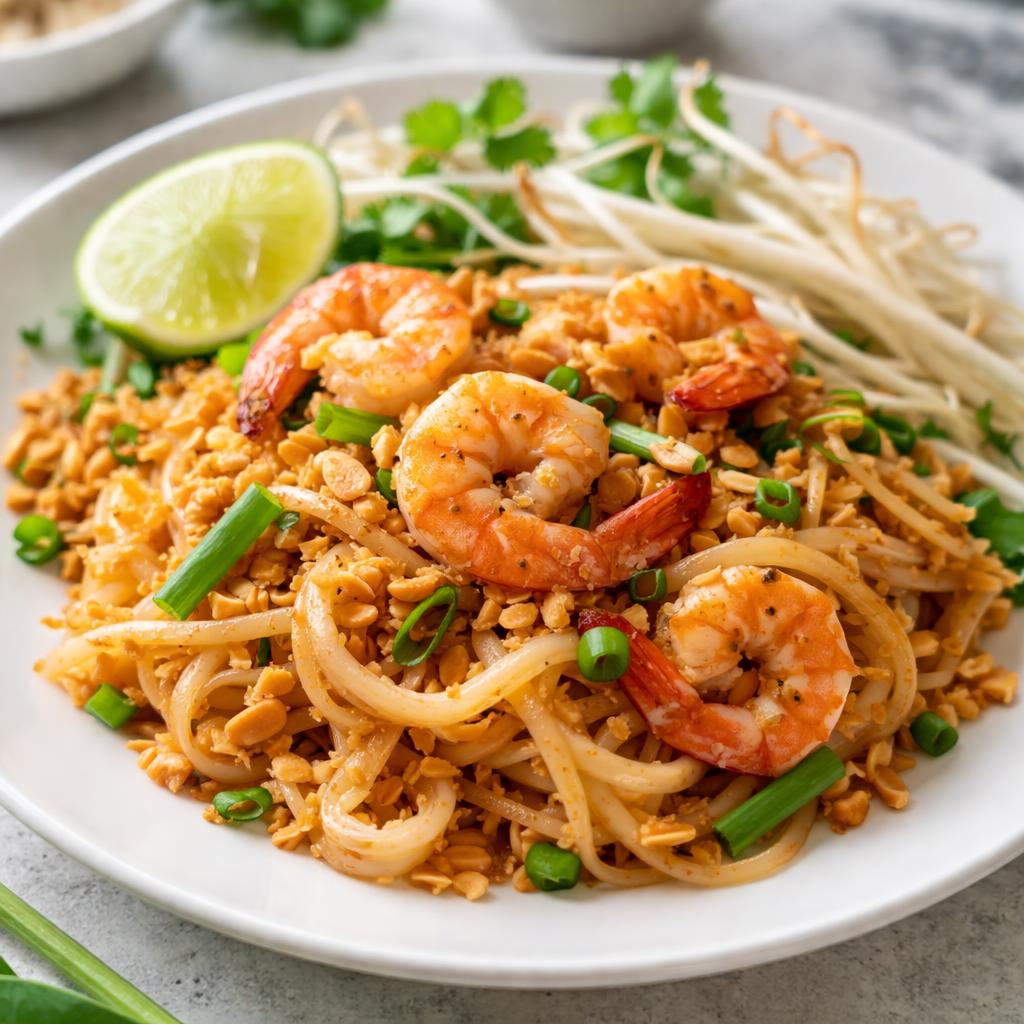
Pad Thai
🎯 Quick Verdict
Rice is simpler and lower in calories, making it better suited for weight loss or controlled-calorie diets. Pad Thai, on the other hand, is richer in nutrients like protein and fiber due to the inclusion of tofu, shrimp, eggs, and vegetables, along with a higher number of vitamins and minerals. Pad Thai is ideal for a nutrient-dense, energy-packed meal, while rice serves as a versatile carbohydrate base for various dishes.

Smart Nutrition Tracking with SnapCalorie

📊 Nutritional Comparison
Macronutrients
| Nutrient | Food 1 | Food 2 | Winner |
|---|---|---|---|
| Calories | 206 (per 1 cup cooked) | 400 (average per serving) | ✓ |
| Protein | 4.3g | 10g | ✓ |
| Carbs | 45g | 50g | ✓ |
| Fat | 0.4g | 15g | ✓ |
| Fiber | 0.6g | 3g | ✓ |
Vitamins & Minerals
| Nutrient | Food 1 | Food 2 | Winner |
|---|---|---|---|
| Vitamin A | 0mcg | 50mcg (from vegetables) | ✓ |
| Vitamin C | 0mg | 8mg (from lime & other ingredients) | ✓ |
| Calcium | 8mg | 50mg (from tofu and egg) | ✓ |
| Iron | 0.3mg | 2mg (from shrimp and egg) | ✓ |
🏆 Category Winners
Protein
Pad Thai contains 10g of protein from tofu, shrimp, and egg, compared to rice's 4.3g.
Fiber
Pad Thai provides 3g of fiber per serving, compared to rice's negligible fiber content (0.6g).
Calories
Rice has 206 calories per cup, less than half of Pad Thai's 400 calories per serving.
Vitamins
Pad Thai is richer in vitamins like A, C, and minerals such as calcium and iron due to its diverse ingredients.
🥗 Diet Compatibility
Keto
Food 1: Not Compatible
Food 2: Not Compatible
Both are high-carb dishes, making them unsuitable for ketogenic diets.
Vegan
Food 1: Compatible
Food 2: Not Compatible
Rice is vegan, whereas Pad Thai typically includes animal-based ingredients like egg and shrimp.
Gluten Free
Food 1: Compatible
Food 2: Conditionally Compatible
Rice is naturally gluten-free, but Pad Thai may contain soy sauce with gluten unless specific gluten-free substitutes are used.
Paleo
Food 1: Not Compatible
Food 2: Not Compatible
Neither fits paleo due to processed components and carbs from rice or noodles.
Low Carb
Food 1: Not Compatible
Food 2: Not Compatible
Both options are high in carbohydrates and not ideal for low-carb diets.
💪 Health Benefits Comparison
Food 1 Benefits
- Easily digestible source of carbs for quick energy
- Low in fat and cholesterol, suitable for heart health
- Versatile for various cuisines without excess calories
Food 2 Benefits
- Rich in protein for muscle maintenance from tofu, shrimp, and egg
- Contains fiber for improved digestion
- Includes antioxidants from vegetables and lime juice
✅ The Bottom Line
Rice is best for straightforward, low-calorie meals or as a universal carbohydrate base. Pad Thai is more nutrient-dense and ideal for an energy-packed, flavorful meal. Choose rice if focusing on simplicity and calorie control, and opt for Pad Thai if prioritizing protein, fiber, and diverse nutrients.
Choose Food 1 for: Weight management, simple meals, basic carbohydrate needs
Choose Food 2 for: Nutrient-dense meals, balanced energy, flavorful and versatile eating


