Rice VS Oven Potatoes
A detailed nutritional comparison
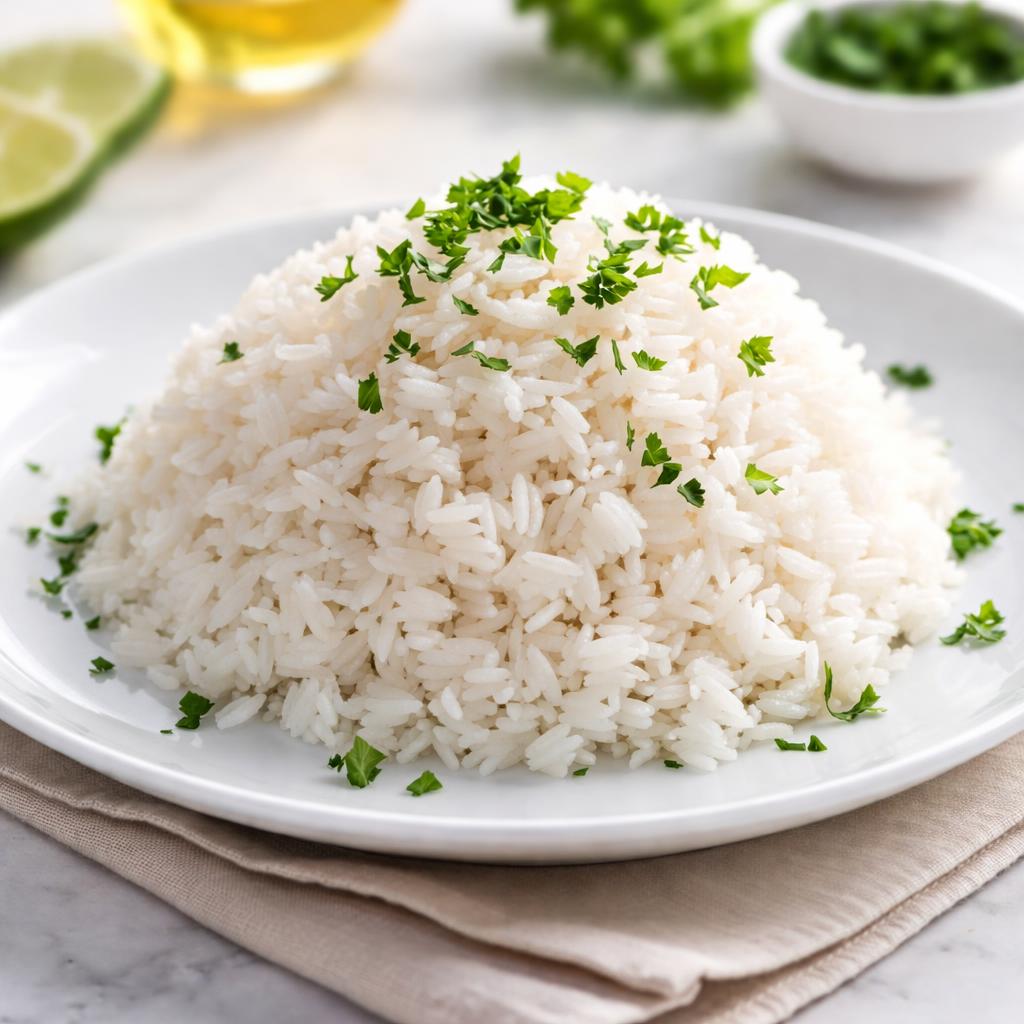
Rice
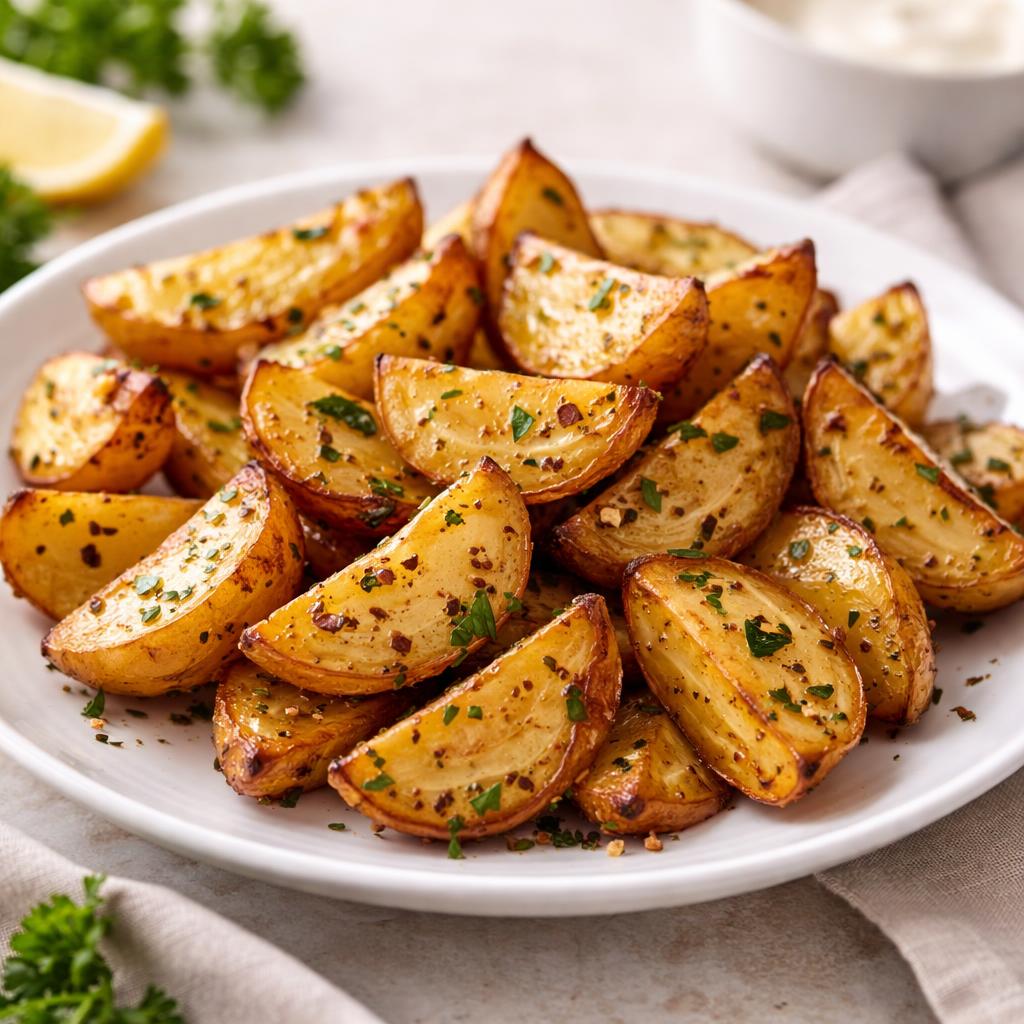
Oven Potatoes
🎯 Quick Verdict
Rice and oven potatoes are both versatile staples, but they differ nutritionally. Rice has slightly more protein and is lower in fiber, while oven potatoes are higher in fiber and provide more vitamins overall. Rice is better for low-fat, high-carbohydrate diets, while oven potatoes are ideal for nutrient density and sustained energy needs.

Smart Nutrition Tracking with SnapCalorie

📊 Nutritional Comparison
Macronutrients
| Nutrient | Food 1 | Food 2 | Winner |
|---|---|---|---|
| Calories | 130 | 130 | − |
| Protein | 2.6g | 2g | ✓ |
| Carbs | 28.2g | 30.4g | ✓ |
| Fat | 0.3g | 0.1g | ✓ |
| Fiber | 0.4g | 2g | ✓ |
Vitamins & Minerals
| Nutrient | Food 1 | Food 2 | Winner |
|---|---|---|---|
| Vitamin C | 0mg | 10mg | ✓ |
| Potassium | 35mg | 410mg | ✓ |
| Iron | 0.2mg | 0.7mg | ✓ |
| Vitamin B6 | 0.04mg | 0.3mg | ✓ |
| Magnesium | 13mg | 23mg | ✓ |
🏆 Category Winners
Protein
Rice contains 30% more protein.
Fiber
Oven potatoes have 5 times the fiber content of rice.
Calories
Both foods contain 130 calories per serving.
Vitamins
Oven potatoes offer higher levels of potassium, vitamin C, and vitamin B6.
🥗 Diet Compatibility
Keto
Food 1: Not Compatible
Food 2: Not Compatible
Both foods are high-carbohydrate and not suited for keto diets.
Vegan
Food 1: Compatible
Food 2: Compatible
Both foods are plant-based and vegan-friendly.
Gluten Free
Food 1: Compatible
Food 2: Compatible
Neither rice nor potatoes contain gluten.
Paleo
Food 1: Compatible
Food 2: Compatible
Both foods are considered paleo-friendly.
Low-Carb
Food 1: Not Compatible
Food 2: Not Compatible
Both are high in carbohydrates and not suitable for low-carb diets.
💪 Health Benefits Comparison
Food 1 Benefits
- Easy to digest, ideal for sensitive stomachs
- Low in fat, suitable for low-fat diets
- Complements balanced meals with consistent energy from carbohydrates
Food 2 Benefits
- High in fiber for improved digestion
- Good source of potassium for heart and muscle health
- Rich in vitamin C, supporting immunity and skin health
- Provides sustained energy due to complex carbohydrates
✅ The Bottom Line
Choose rice if you need more protein and easily digestible carbs, especially for post-workout meals or sensitive stomachs. Opt for oven potatoes if you prioritize fiber, vitamin C, and potassium for overall nutrient density and sustained energy. Both are versatile options depending on your specific dietary goals.
Choose Food 1 for: Post-workout, low-fat diets, bulk meal prep
Choose Food 2 for: Heart health, improved digestion, nutrient-dense meals


