Rice VS Onions
A detailed nutritional comparison
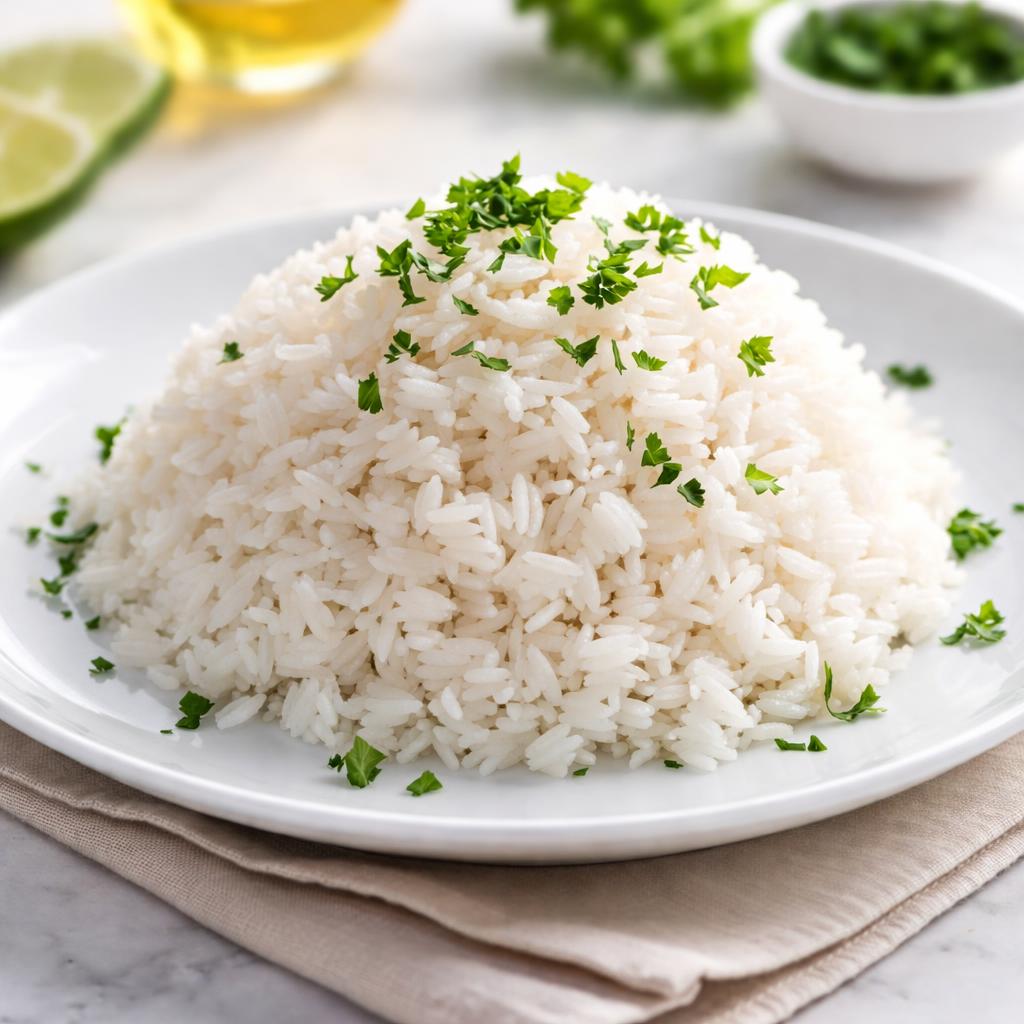
Rice
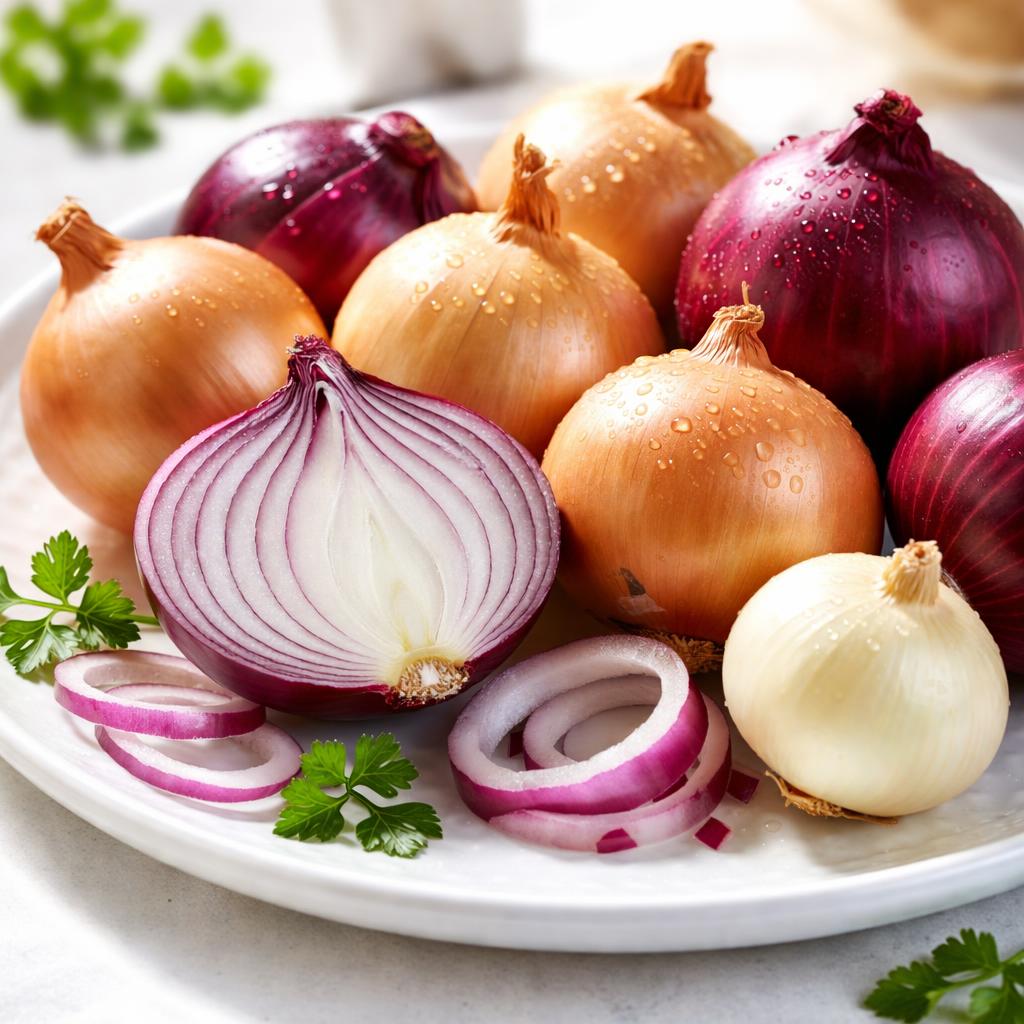
Onions
🎯 Quick Verdict
Rice and onions serve completely different roles in a diet. Rice provides significantly more energy and protein, making it the better choice for fueling workouts or meals requiring higher caloric intake. However, onions stand out for their lower calorie count and higher fiber content, contributing to gut health and weight management. Both are vegan-friendly and gluten-free staples but fulfill different dietary goals.

Smart Nutrition Tracking with SnapCalorie

📊 Nutritional Comparison
Macronutrients
| Nutrient | Food 1 | Food 2 | Winner |
|---|---|---|---|
| Calories | 130 | 40 | ✓ |
| Protein | 2.5g | 1g | ✓ |
| Carbs | 28g | 9g | ✓ |
| Fat | 0.3g | 0.1g | ✓ |
| Fiber | 0.6g | 1.7g | ✓ |
Vitamins & Minerals
| Nutrient | Food 1 | Food 2 | Winner |
|---|---|---|---|
| Vitamin C | 0mg | 7mg | ✓ |
| Vitamin B6 | 0.05mg | 0.122mg | ✓ |
| Potassium | 35mg | 146mg | ✓ |
🏆 Category Winners
Protein
Rice contains 150% more protein than onions per serving.
Fiber
Onions have nearly triple the amount of fiber compared to rice.
Calories
Onions contain 70% fewer calories per serving.
Vitamins
Onions are richer in vitamin C, B6, and potassium compared to rice.
🥗 Diet Compatibility
Keto
Food 1: Not Compatible
Food 2: Compatible
Rice is high-carb, while onions are low-carb and keto-friendly.
Vegan
Food 1: Compatible
Food 2: Compatible
Both foods are plant-based and suitable for vegan diets.
Gluten Free
Food 1: Compatible
Food 2: Compatible
Neither rice nor onions contain gluten.
Paleo
Food 1: Compatible
Food 2: Compatible
Both foods align with paleo dietary guidelines.
Low Carb
Food 1: Not Compatible
Food 2: Compatible
Rice is high in carbohydrates, while onions are relatively low-carb.
💪 Health Benefits Comparison
Food 1 Benefits
- Provides energy from complex carbohydrates
- Low in fat, ideal for calorie-conscious diets
- Easy to digest and great for sensitive stomachs
Food 2 Benefits
- Rich in antioxidants that may support immune function
- High fiber content aids digestion and promotes gut health
- Contains vitamin C for immune support and potassium for heart health
✅ The Bottom Line
Choose rice when you need high-energy, easily digestible carbs for workouts or meals requiring protein. Opt for onions when prioritizing low-calorie, high-fiber foods that support gut health and provide essential vitamins. Both foods complement each other nutritionally and can be paired in balanced meals.
Choose Food 1 for: High-energy meals, post-workout recovery, quick digestible carbs
Choose Food 2 for: Weight management, gut health improvement, vitamin and antioxidant boost


