Rice VS Oatmeal
A detailed nutritional comparison
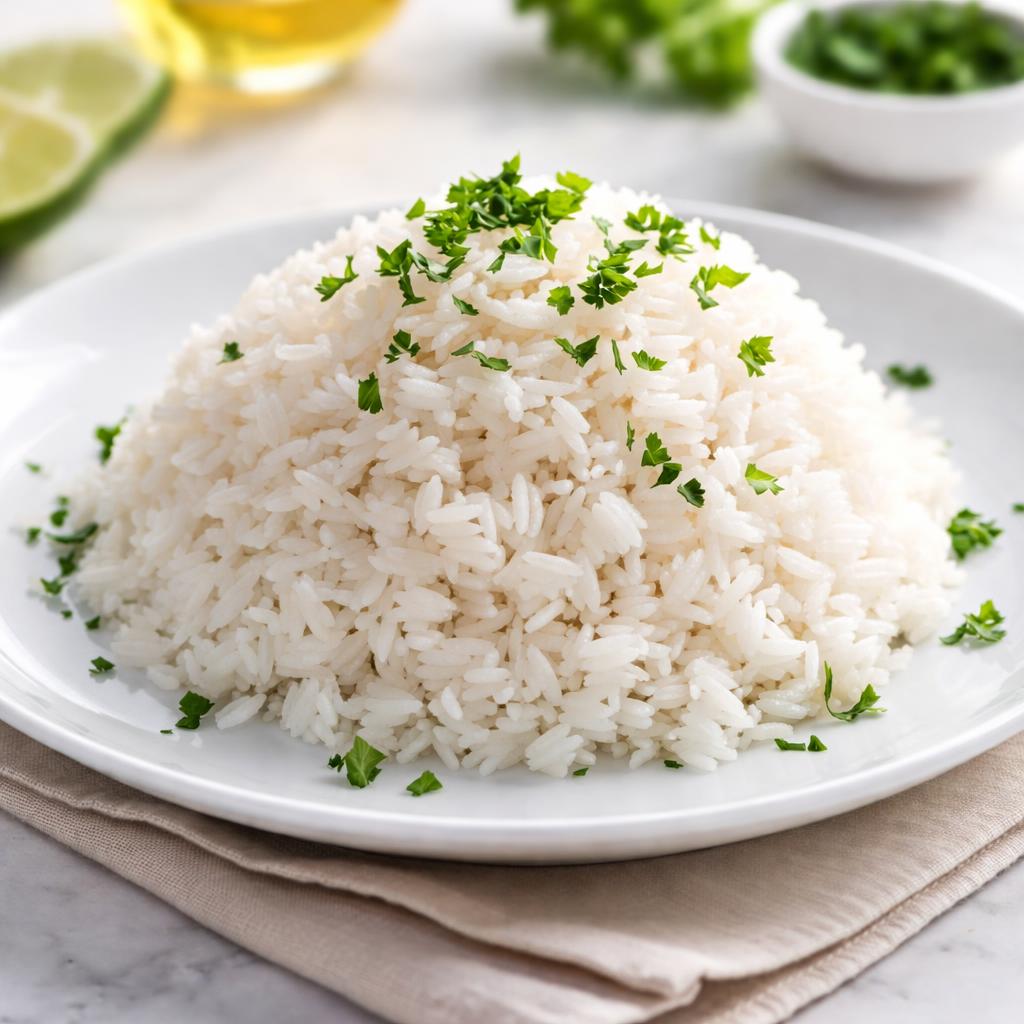
Rice
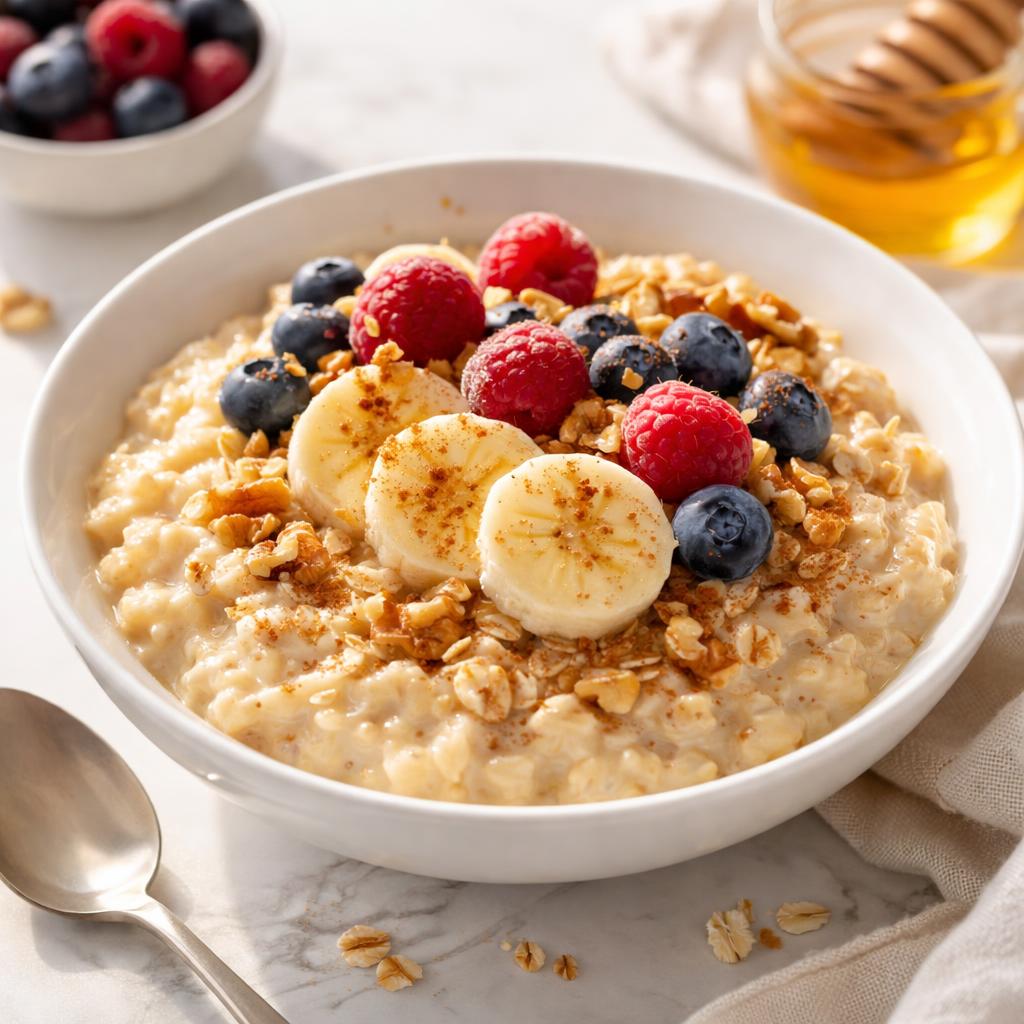
Oatmeal
🎯 Quick Verdict
Oatmeal emerges as the more nutritious option overall compared to rice, offering higher protein, fiber, and additional vitamins. Rice, however, has fewer calories per serving and can work well for lower-fat, lower-fiber meal plans. Choose oatmeal for satiety and heart health, and rice for quick, easily digestible energy sources.

Smart Nutrition Tracking with SnapCalorie

📊 Nutritional Comparison
Macronutrients
| Nutrient | Food 1 | Food 2 | Winner |
|---|---|---|---|
| Calories | 130 per 1 cup cooked | 154 per 1 cup cooked | − |
| Protein | 2.5g | 6g | − |
| Carbs | 28g | 27g | − |
| Fat | 0.3g | 2.5g | − |
| Fiber | 0.4g | 4g | − |
Vitamins & Minerals
| Nutrient | Food 1 | Food 2 | Winner |
|---|---|---|---|
| Vitamin D | 0mcg | 0mcg | − |
| Calcium | 10mg | 20mg | − |
| Iron | 0.2mg | 1.7mg | − |
| Vitamin B6 | 0.07mg | 0.12mg | − |
🏆 Category Winners
Protein
Oatmeal has over 2x more protein than rice per serving.
Fiber
Oatmeal contains 10x more fiber than rice for digestion benefits.
Calories
Rice has slightly fewer calories, making it useful for low-calorie diets.
🥗 Diet Compatibility
Keto
Food 1: Not Compatible
Food 2: Not Compatible
Both are high in carbs and not suitable for ketogenic diets.
Vegan
Food 1: Compatible
Food 2: Compatible
Both are plant-based and fit vegan diets.
Gluten Free
Food 1: Compatible
Food 2: Compatible
Rice and gluten-free oats are safe for gluten-free diets.
Paleo
Food 1: Not Compatible
Food 2: Not Compatible
Neither rice nor oatmeal fits strict paleo guidelines.
Low-Carb
Food 1: Not Compatible
Food 2: Not Compatible
Both are carbohydrate-heavy foods unsuitable for low-carb diets.
💪 Health Benefits Comparison
Food 1 Benefits
- Offers easily digestible carbohydrates for quick energy
- Low in fat, making it suitable for low-fat diets
- Free from gluten and allergens for sensitive individuals
Food 2 Benefits
- High in fiber for better digestion and improved satiety
- Contains beta-glucans, which help reduce cholesterol levels
- Rich in protein and minerals like iron and magnesium for bone health
✅ The Bottom Line
Choose oatmeal for a wholesome, nutrient-dense option packed with fiber, protein, and heart-health benefits. Opt for rice when you need lower-calorie, fast-digesting carbs for energy or athletic performance.
Choose Food 1 for: Lower-calorie meals, fast energy, low-fiber diets
Choose Food 2 for: Heart health, digestion, filling breakfast meals


