Rice VS Oat Milk
A detailed nutritional comparison
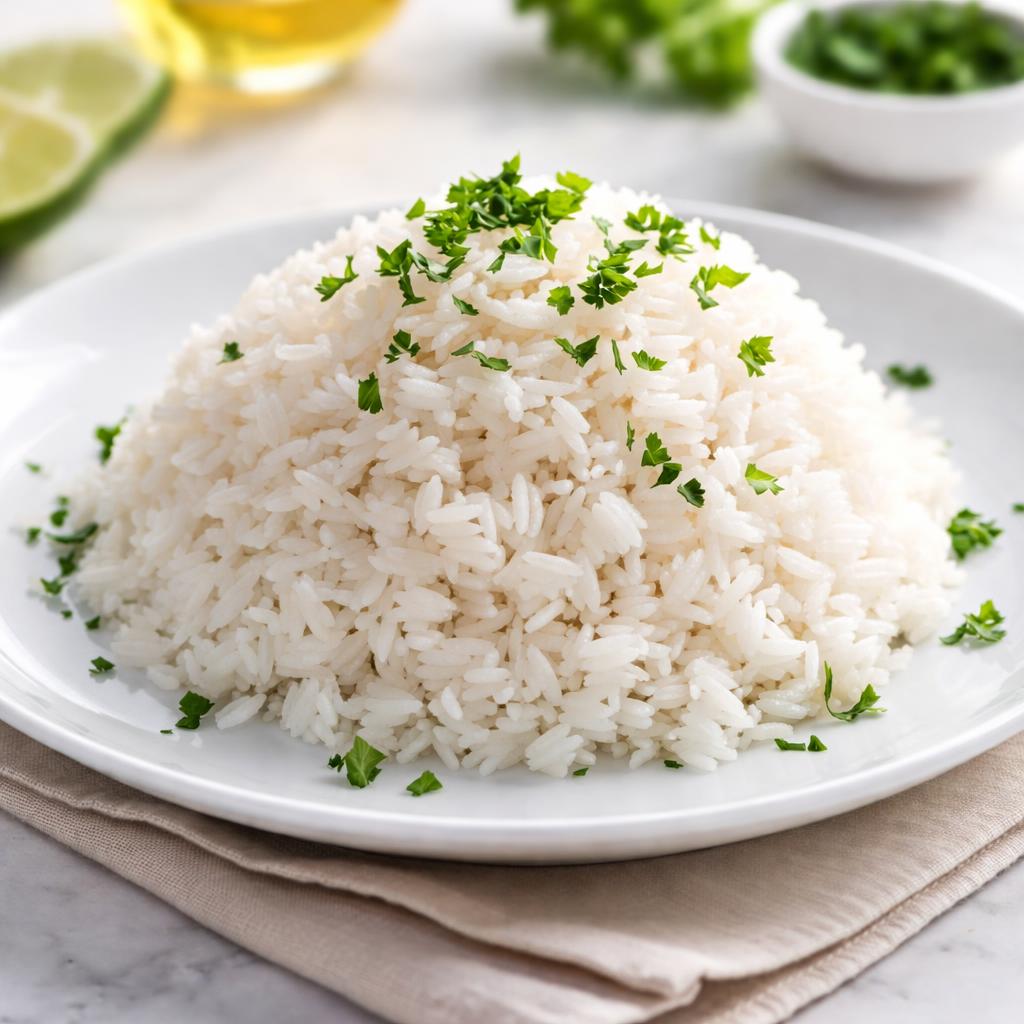
Rice
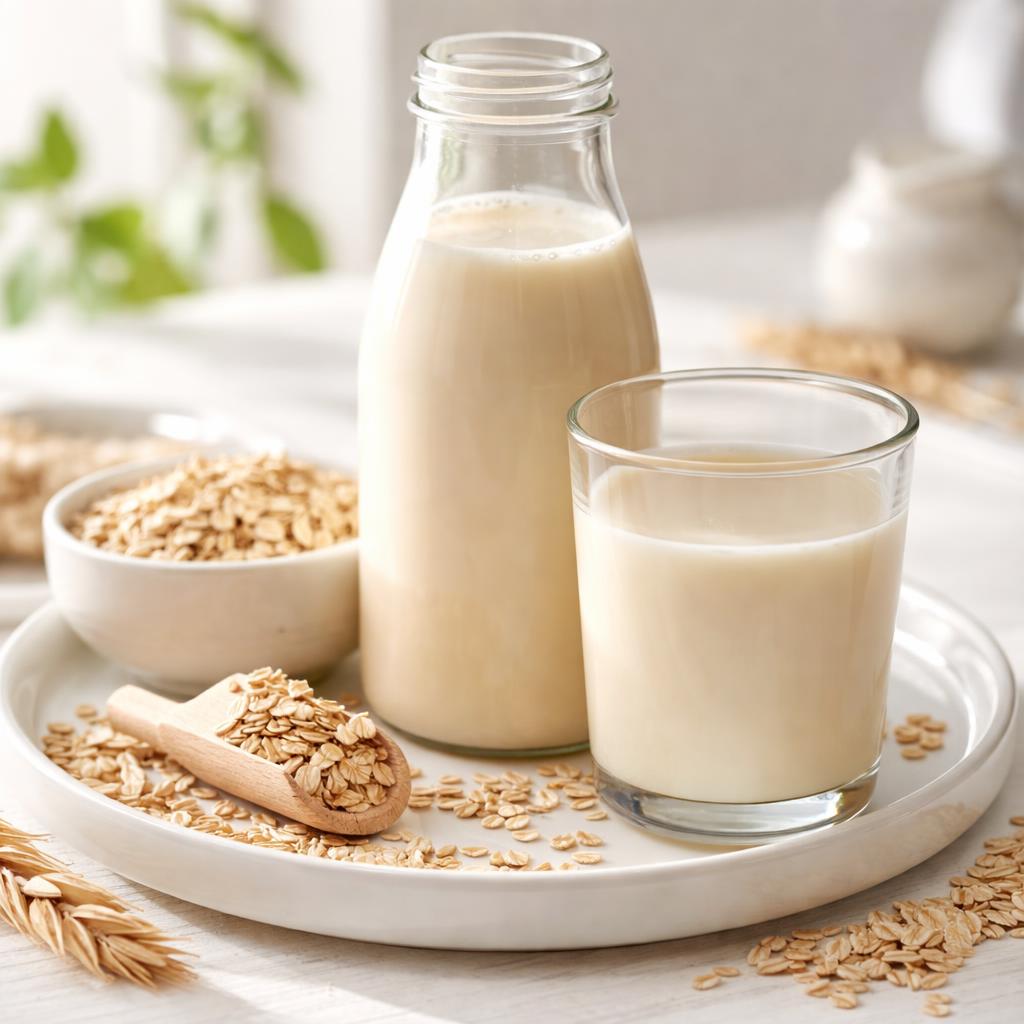
Oat Milk
🎯 Quick Verdict
Rice is lower in calories and carbohydrates, making it great for low-calorie diets or as a simple energy source. Oat milk provides more protein, fiber, and vitamins, making it a nutrient-dense choice for a beverage or dairy alternative. Choose rice for fulfilling meals and oat milk for a heart-healthy drink or additive to recipes.

Smart Nutrition Tracking with SnapCalorie

📊 Nutritional Comparison
Macronutrients
| Nutrient | Food 1 | Food 2 | Winner |
|---|---|---|---|
| Calories | 130 per 100g | 50 per 100ml | ✓ |
| Protein | 2.7g per 100g | 1g per 100ml | ✓ |
| Carbs | 28.7g per 100g | 8g per 100ml | ✓ |
| Fat | 0.3g per 100g | 2.5g per 100ml | ✓ |
| Fiber | 0.4g per 100g | 1.2g per 100ml | ✓ |
Vitamins & Minerals
| Nutrient | Food 1 | Food 2 | Winner |
|---|---|---|---|
| Vitamin D | 0mcg | 2mcg per 100ml | ✓ |
| Calcium | 10mg per 100g | 120mg per 100ml | ✓ |
| Iron | 0.2mg per 100g | 0.6mg per 100ml | ✓ |
🏆 Category Winners
Protein
Oat milk contains fortified protein and offers more nutrient density in terms of beverages.
Fiber
Oat milk has three times more fiber per serving, supporting digestion.
Calories
Rice is lower in calories per gram, making it better for calorie-conscious diets.
🥗 Diet Compatibility
Keto
Food 1: Not Compatible
Food 2: Not Compatible
Both foods are relatively high in carbohydrates.
Vegan
Food 1: Compatible
Food 2: Compatible
Both are plant-based and naturally vegan.
Gluten Free
Food 1: Compatible
Food 2: Compatible
Rice is naturally gluten-free, and oat milk is gluten-free if certified.
Paleo
Food 1: Compatible
Food 2: Not Compatible
Rice is considered paleo-friendly enough for certain adaptations, while oat milk contains processed ingredients.
Low-Carb
Food 1: Not Compatible
Food 2: Not Compatible
Both exceed typical low-carb thresholds due to their carb content.
💪 Health Benefits Comparison
Food 1 Benefits
- Low in fat, supporting heart health
- Provides quick energy due to high carbohydrate content
- Gluten-free and easily digestible
Food 2 Benefits
- Rich in fiber for supporting digestion
- Fortified with vitamins like calcium and Vitamin D for bone health
- Contains beta-glucans for promoting heart health and cholesterol regulation
✅ The Bottom Line
Choose rice when you need a versatile base for meals or an energy boost with minimal fat. Opt for oat milk when you want a nutrient-dense, plant-based drink, especially for improving heart health and digestion.
Choose Food 1 for: Low-calorie staples, gluten-free diets, versatile meal bases
Choose Food 2 for: Heart health, nutrient density, dairy alternative


