Rice VS Nigiri Sushi
A detailed nutritional comparison
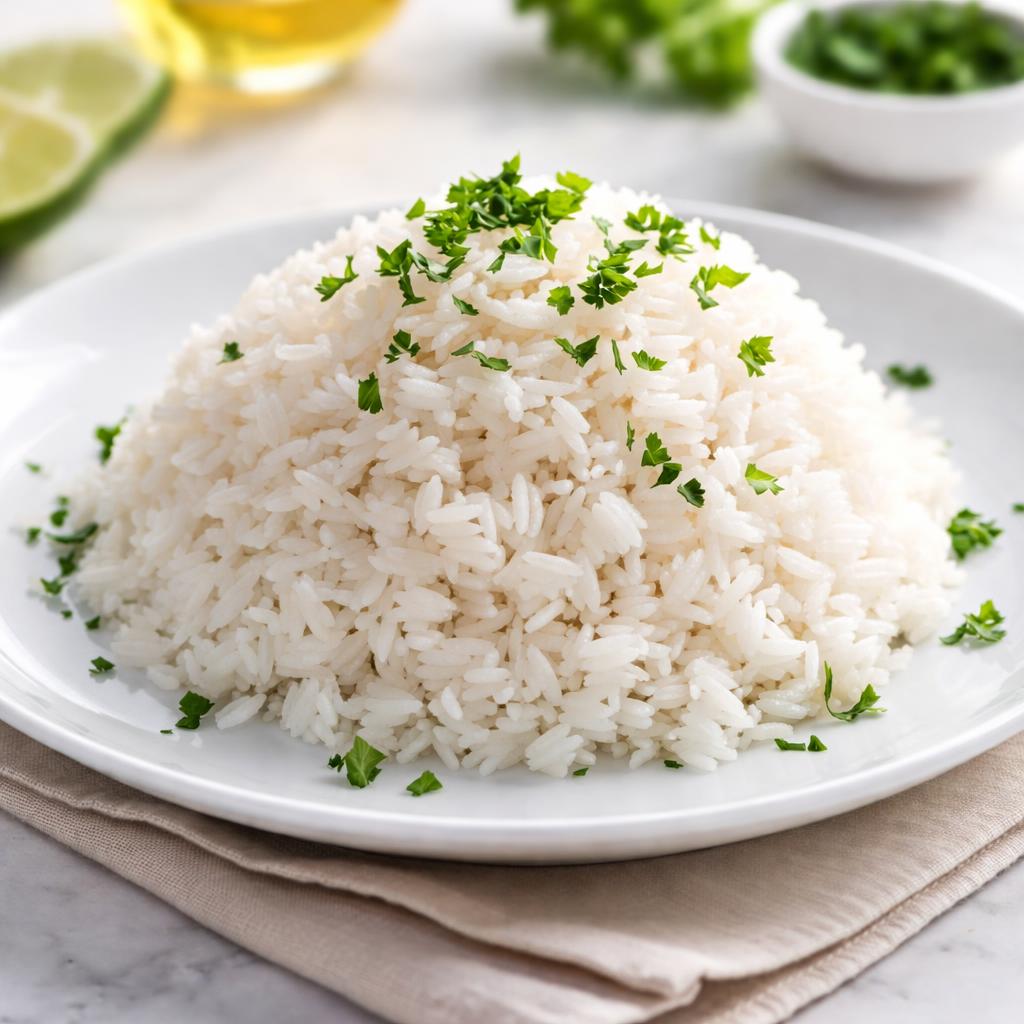
Rice
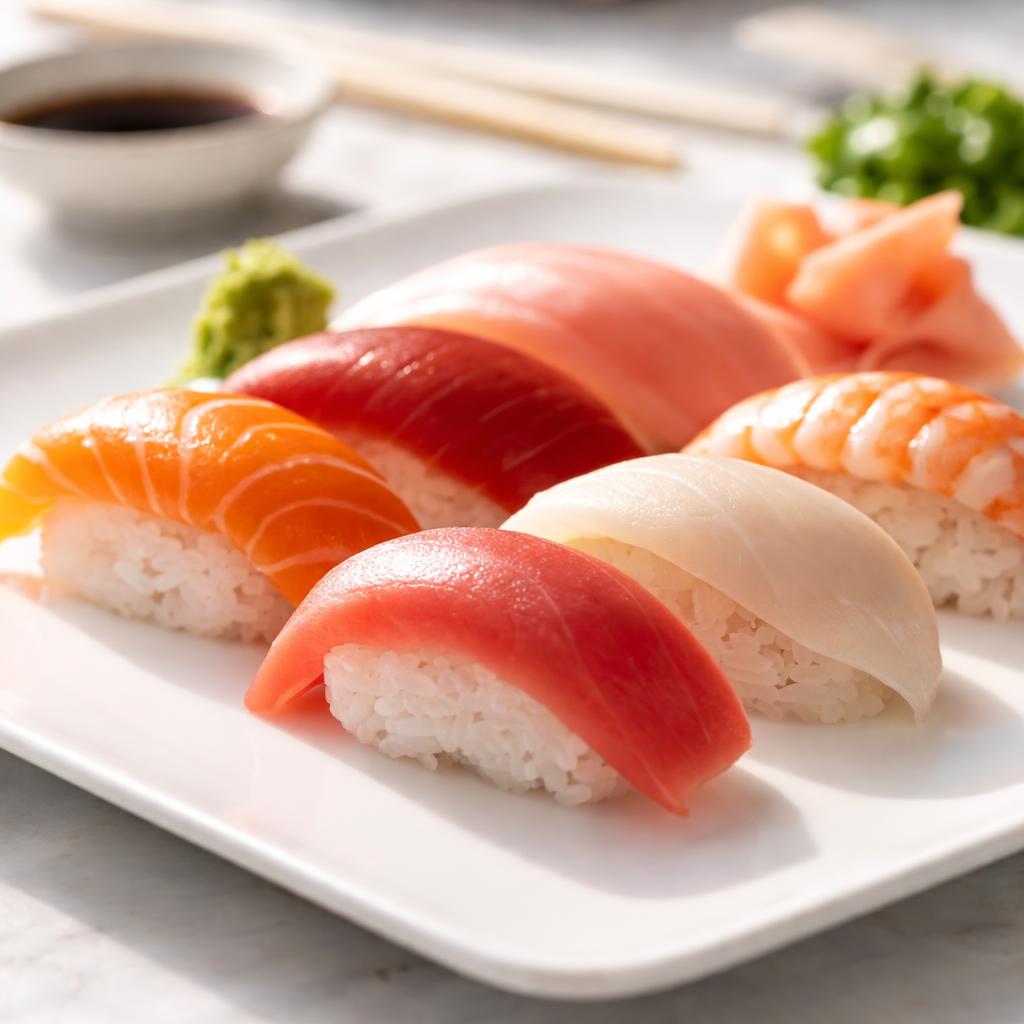
Nigiri Sushi
🎯 Quick Verdict
Nigiri sushi offers more protein due to fish content, making it a better option for muscle maintenance and overall nutrient density. Rice is lower in calories and simpler, suitable for energy when paired with other foods. Nigiri sushi is more nutritionally versatile but depends on the type of fish and preparation method.

Smart Nutrition Tracking with SnapCalorie

📊 Nutritional Comparison
Macronutrients
| Nutrient | Food 1 | Food 2 | Winner |
|---|---|---|---|
| Calories | 200kcal (per cooked 1 cup) | 285kcal (1 serving, ~2 pieces) | ✓ |
| Protein | 4g | 11g | ✓ |
| Carbs | 44g | 38g | ✓ |
| Fat | 0.5g | 7g | ✓ |
| Fiber | 0.6g | 0.6g | − |
Vitamins & Minerals
| Nutrient | Food 1 | Food 2 | Winner |
|---|---|---|---|
| Vitamin D | 0mcg | 3mcg (from fish) | ✓ |
| Calcium | 10mg | 20mg | ✓ |
| Iron | 0.4mg | 0.7mg | ✓ |
🏆 Category Winners
Protein
Nigiri sushi has nearly three times more protein due to the fish topping.
Fiber
Both foods have minimal fiber content (0.6g per serving).
Calories
Rice is lower-calorie, making it more suitable for calorie-controlled diets.
🥗 Diet Compatibility
Keto
Food 1: Not Compatible
Food 2: Not Compatible
Both are high in carbs, primarily from rice.
Vegan
Food 1: Compatible
Food 2: Not Compatible
Rice is fully plant-based, while nigiri sushi contains fish.
Gluten Free
Food 1: Compatible
Food 2: Mostly Compatible
Rice is naturally gluten-free, but sushi may contain soy sauce with gluten.
Paleo
Food 1: Not Compatible
Food 2: Not Compatible
Rice is grain-based, and nigiri sushi includes processed components like white rice.
Low Carb
Food 1: Not Compatible
Food 2: Not Compatible
Both are carb-heavy due to rice content.
💪 Health Benefits Comparison
Food 1 Benefits
- Provides quick energy from complex carbohydrates
- Low in fat, suitable for low-fat diets
- Versatile base for pairing with nutrient-dense foods
Food 2 Benefits
- Rich in protein for muscle maintenance and repair
- Contains healthy fats from fish (like omega-3s)
- Provides essential micronutrients like vitamin D and iron
- Offers antioxidants if paired with wasabi and ginger
✅ The Bottom Line
Rice is a simple, low-calorie base food best suited for energy needs and pairing with nutrient-dense sides. Nigiri sushi is a more complete food, offering higher protein, healthy fats, and additional micronutrients due to the fish component. Choose nigiri sushi for a balanced, nutrient-rich meal and rice for flexibility or calorie-controlled diets.
Choose Food 1 for: Low-calorie diets, pairing with nutrient-rich foods, energy support
Choose Food 2 for: Balanced, nutrient-dense meals, protein boost, omega-3 intake


