Rice VS Microwave Popcorn
A detailed nutritional comparison
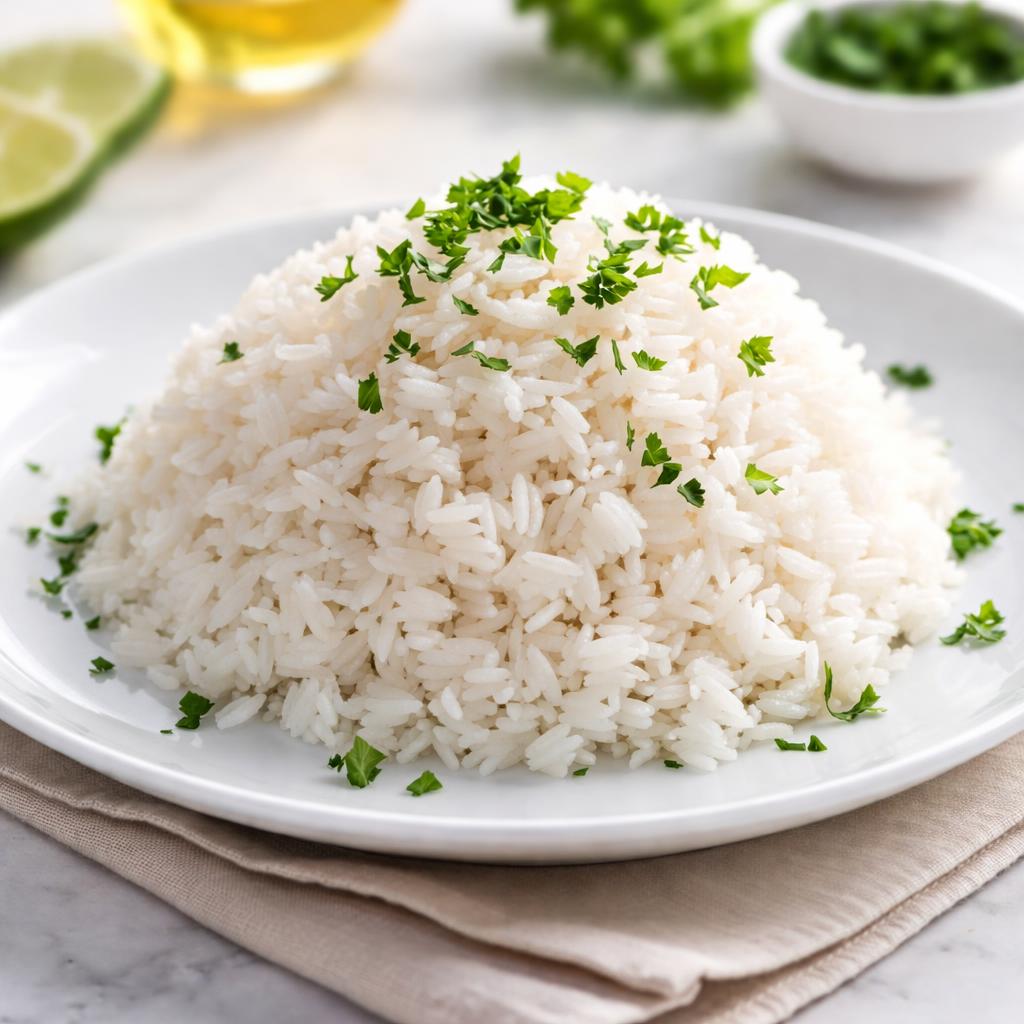
Rice
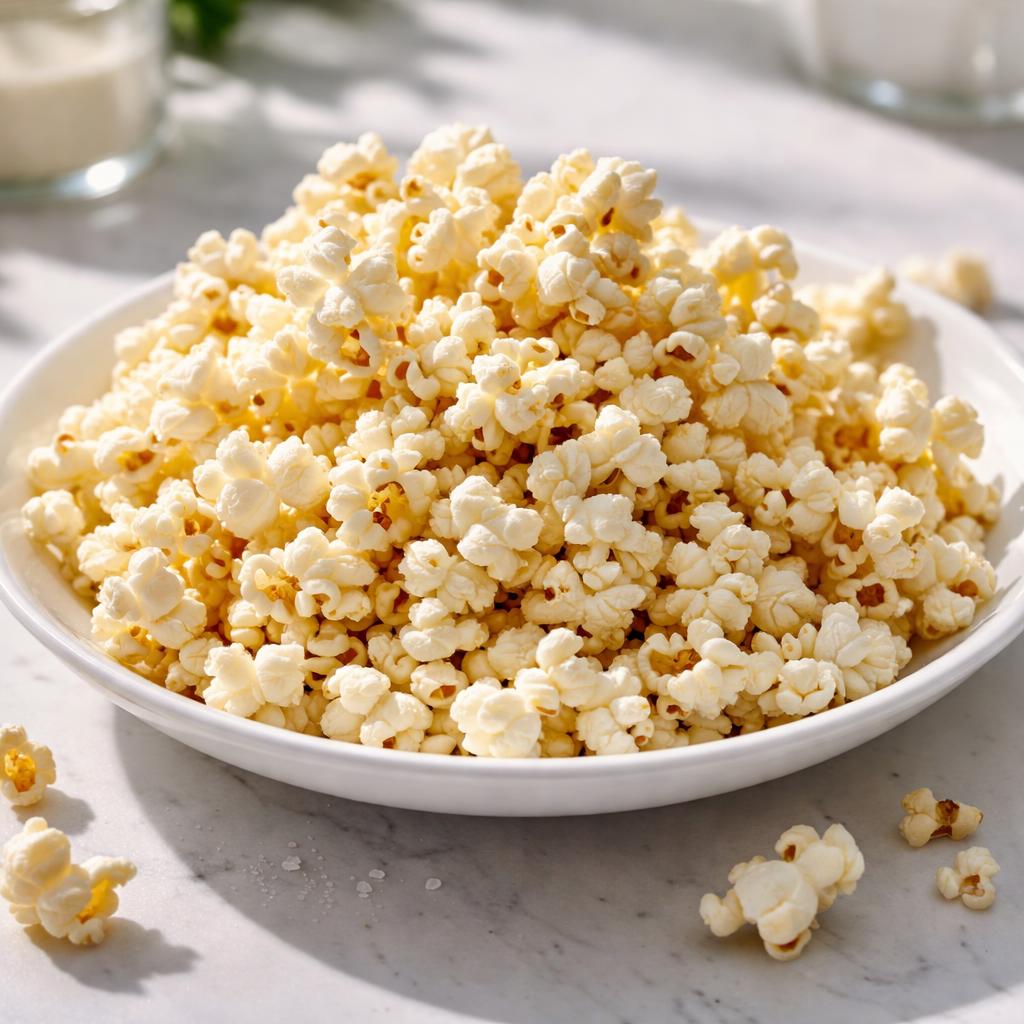
Microwave Popcorn
🎯 Quick Verdict
Rice and microwave popcorn differ significantly in nutrition. Rice provides more calories and carbs, making it ideal for energy-focused diets, while popcorn is higher in fiber and lower in calories per serving, perfect for weight management or heart health. Both are vegan and versatile but cater to different dietary needs.

Smart Nutrition Tracking with SnapCalorie

📊 Nutritional Comparison
Macronutrients
| Nutrient | Food 1 | Food 2 | Winner |
|---|---|---|---|
| Calories | 130 (white rice, cooked) | 80 (microwave popcorn, per cup popped) | ✓ |
| Protein | 2.7g | 2g | − |
| Carbs | 28g | 14g | ✓ |
| Fat | 0.3g | 4g | ✓ |
| Fiber | 0.4g | 1.2g | ✓ |
Vitamins & Minerals
| Nutrient | Food 1 | Food 2 | Winner |
|---|---|---|---|
| Vitamin D | 0mcg | 0mcg | − |
| Calcium | 10mg | 2mg | ✓ |
| Iron | 0.2mg | 0.5mg | ✓ |
🏆 Category Winners
Protein
Both rice and microwave popcorn provide comparable protein content per serving.
Fiber
Popcorn has 3x the fiber content compared to rice.
Calories
Microwave popcorn is lower in calories compared to rice.
🥗 Diet Compatibility
Keto
Food 1: Not Compatible
Food 2: Not Compatible
Both foods are too high in carbs for keto diets.
Vegan
Food 1: Compatible
Food 2: Compatible
Both foods are plant-based and suitable for vegan diets.
Gluten Free
Food 1: Compatible
Food 2: Compatible
Neither rice nor popcorn contains gluten naturally.
Paleo
Food 1: Compatible
Food 2: Not Compatible
Rice is allowed in the Paleo diet, but some processed popcorn varieties are not.
Low-Carb
Food 1: Not Compatible
Food 2: Not Compatible
Both foods contain moderate to high levels of carbohydrates.
💪 Health Benefits Comparison
Food 1 Benefits
- Provides a quick and steady source of energy due to its carbohydrate content
- Low in fat, suitable for low-fat diets
- Easy to digest, making it suitable for sensitive stomachs
Food 2 Benefits
- Rich in fiber, supporting digestion and heart health
- Lower in calories, aiding weight management
- Contains antioxidants such as polyphenols with anti-inflammatory properties
✅ The Bottom Line
Rice is a better choice for individuals needing an energy boost or maintaining a high-carb diet, while microwave popcorn is suitable for its fiber content and low-calorie benefits, perfect for snacking or weight control. Both can be part of a balanced diet depending on your nutritional goals.
Choose Food 1 for: Energy source, post-exercise carbohydrate replenishment, meal base
Choose Food 2 for: Weight management, heart health, low-calorie snacking


