Rice VS Mango Sorbet
A detailed nutritional comparison

Rice
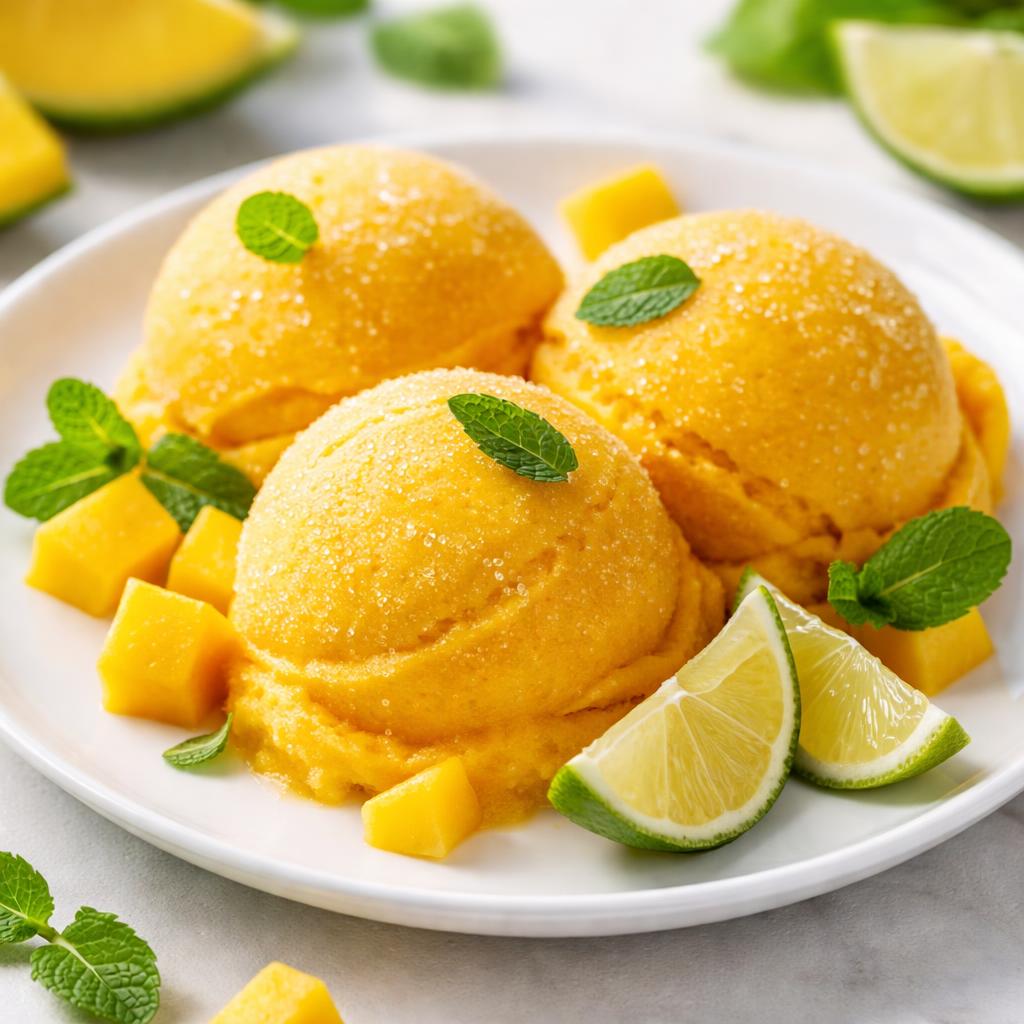
Mango Sorbet
🎯 Quick Verdict
Rice is a staple grain offering more protein, fiber, and lower calorie compared to mango sorbet. Mango sorbet is a higher calorie dessert option with natural sugars and antioxidants. Rice is better for sustaining energy and balanced meals, while mango sorbet serves as a sweet treat or light dessert.

Smart Nutrition Tracking with SnapCalorie

📊 Nutritional Comparison
Macronutrients
| Nutrient | Food 1 | Food 2 | Winner |
|---|---|---|---|
| Calories | 130 | 200 | ✓ |
| Protein | 2.7g | 0g | ✓ |
| Carbs | 28g | 45g | ✓ |
| Fat | 0.3g | 0g | ✓ |
| Fiber | 0.3g | 0.1g | ✓ |
Vitamins & Minerals
| Nutrient | Food 1 | Food 2 | Winner |
|---|---|---|---|
| Vitamin A | 0mcg | 330mcg | ✓ |
| Vitamin C | 0mg | 30mg | ✓ |
| Calcium | 4mg | 10mg | ✓ |
| Iron | 0.2mg | 0.3mg | ✓ |
🏆 Category Winners
Protein
Rice provides 2.7g protein per serving, while mango sorbet contains 0g.
Fiber
Rice has slightly more fiber than mango sorbet (0.3g vs 0.1g).
Calories
Rice is lower in calories (130 vs 200 per serving).
Vitamins
Mango sorbet is rich in Vitamin A and Vitamin C compared to rice.
🥗 Diet Compatibility
Keto
Food 1: Not Compatible
Food 2: Not Compatible
Both foods are high in carbs and are unsuitable for keto diets.
Vegan
Food 1: Compatible
Food 2: Compatible
Both rice and mango sorbet are plant-based and vegan-friendly.
Gluten Free
Food 1: Compatible
Food 2: Compatible
Neither rice nor mango sorbet contains gluten.
Paleo
Food 1: Not Compatible
Food 2: Compatible
Mango sorbet aligns better with paleo principles (natural fruit-based food), while rice is excluded.
Low-Carb
Food 1: Not Compatible
Food 2: Not Compatible
Both foods are high in carbohydrates and not suitable for low-carb diets.
💪 Health Benefits Comparison
Food 1 Benefits
- Provides sustained energy from complex carbohydrates
- Supports muscle maintenance with small amounts of protein
- Low-fat option beneficial for heart health
Food 2 Benefits
- Rich in Vitamin C, which boosts immune health
- Contains natural sugars for quick energy
- Provides antioxidants that may reduce inflammation
✅ The Bottom Line
Rice is a practical choice for balanced meals, energy sustenance, and lighter calorie needs. Mango sorbet is ideal for dessert cravings, offering a refreshing and antioxidant-rich treat in moderation.
Choose Food 1 for: Balanced meals, energy sustenance, lower calorie diets
Choose Food 2 for: Dessert cravings, quick energy, vitamin C boost


