Rice VS Low Fat Milk
A detailed nutritional comparison
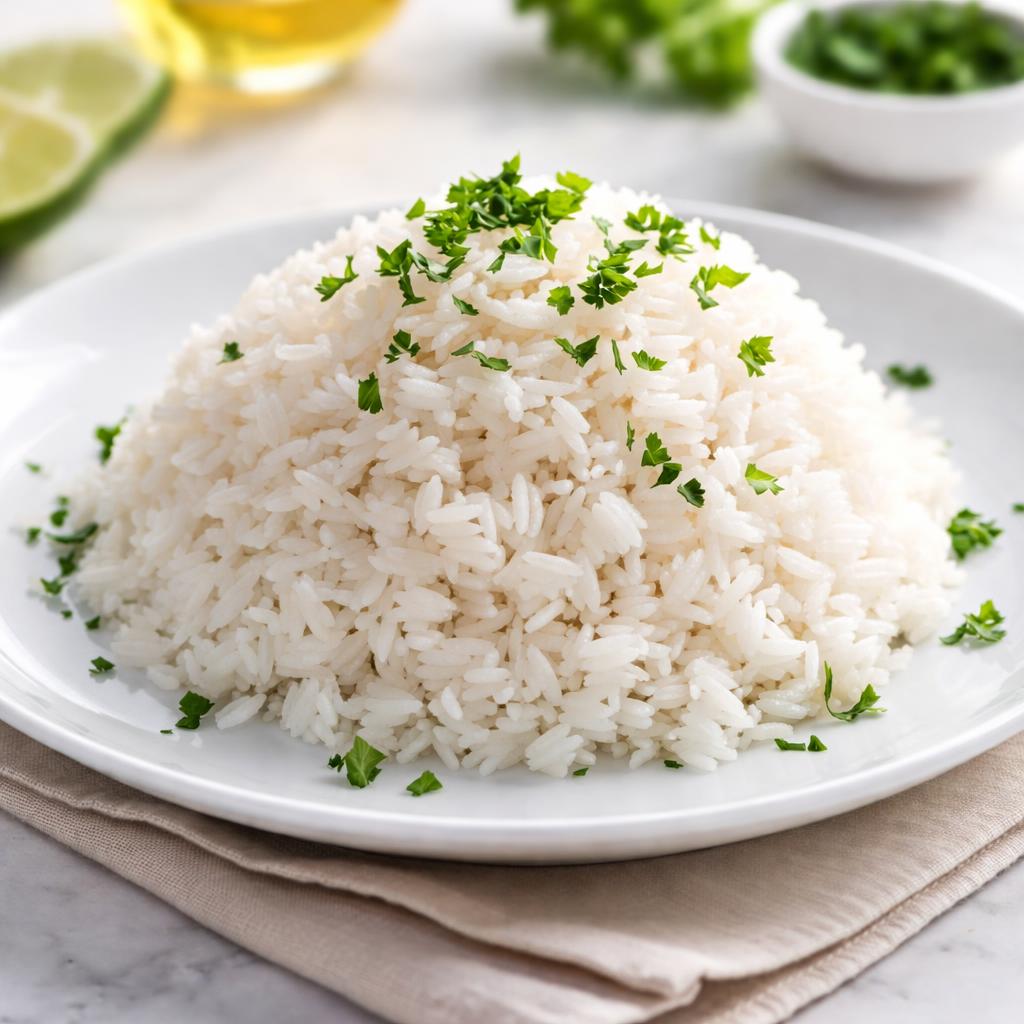
Rice
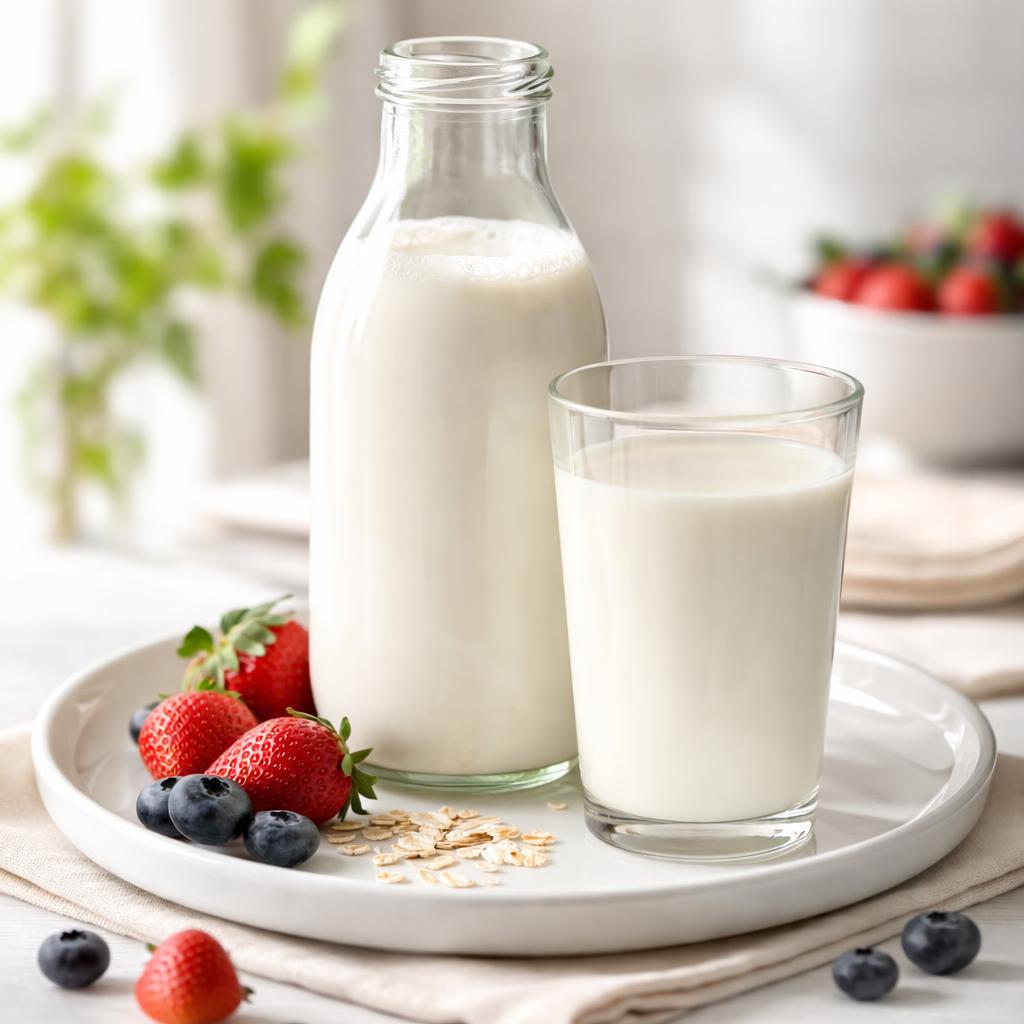
Low Fat Milk
🎯 Quick Verdict
Rice and low fat milk serve different nutritional roles. Rice is higher in carbohydrates and fiber, making it ideal for energy and digestion, whereas low fat milk is rich in protein and offers fewer calories per serving, making it better for muscle repair and weight management. Both have unique benefits depending on dietary needs.

Smart Nutrition Tracking with SnapCalorie

📊 Nutritional Comparison
Macronutrients
| Nutrient | Food 1 | Food 2 | Winner |
|---|---|---|---|
| Calories | 206 (1 cup cooked) | 102 (1 cup) | ✓ |
| Protein | 4.2g | 8.3g | ✓ |
| Carbs | 45g | 12g | ✓ |
| Fat | 0.4g | 2.4g | ✓ |
| Fiber | 0.6g | 0g | ✓ |
Vitamins & Minerals
| Nutrient | Food 1 | Food 2 | Winner |
|---|---|---|---|
| Vitamin D | 0mcg | 2.5mcg | ✓ |
| Calcium | 10mg | 305mg | ✓ |
| Iron | 0.3mg | 0mg | ✓ |
🏆 Category Winners
Protein
Low fat milk has more than double the protein per serving compared to rice.
Fiber
Rice contains fiber, whereas low fat milk does not.
Calories
Low fat milk has 50% fewer calories per serving than rice.
Vitamins
Low fat milk is significantly richer in vitamin D and calcium compared to rice.
🥗 Diet Compatibility
Keto
Food 1: Not Compatible
Food 2: Not Compatible
Both foods are higher in carbohydrates than suitable for keto.
Vegan
Food 1: Compatible
Food 2: Not Compatible
Rice is plant-based, but milk is an animal-derived product.
Gluten Free
Food 1: Compatible
Food 2: Compatible
Neither rice nor low fat milk contains gluten.
Paleo
Food 1: Not Compatible
Food 2: Not Compatible
Rice is a grain, and milk is dairy, both are excluded from paleo diets.
Low-Carb
Food 1: Not Compatible
Food 2: Compatible
Milk is relatively lower in carbohydrates (12g vs 45g in rice).
💪 Health Benefits Comparison
Food 1 Benefits
- Provides sustained energy due to high carbohydrate content
- Contains small amounts of fiber for digestive support
- Affordable and versatile staple food
Food 2 Benefits
- High in protein for muscle repair and maintenance
- Rich source of calcium for bone health
- Contains vitamin D for improving calcium absorption and immune function
✅ The Bottom Line
The choice between rice and low fat milk depends on your nutritional goals. Rice is an excellent energy source for prolonged physical activity or meals needing carbohydrates. Low fat milk is better for protein intake and maintaining bone health. Their unique qualities make both valuable in balanced diets.
Choose Food 1 for: Athletes needing energy, affordable meal prep, general everyday meals
Choose Food 2 for: Post-workout recovery, weight management, improving bone health


