Low Fat Rice Milk Pudding
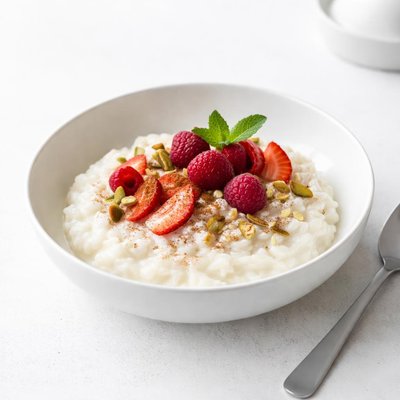
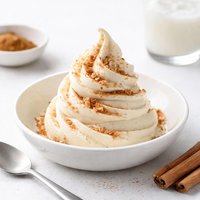
Indulge in the creamy richness of Low Fat Rice Milk Pudding, a wholesome dessert that's perfect for those seeking a dairy-free, low-fat treat. This comforting recipe combines silky rice milk, tender white rice, and subtle notes of vanilla and cinnamon for a naturally sweet and aromatic experience. With just six simple ingredients and minimal prep, this pudding simmers away to a luscious, creamy texture that’s both light and satisfying. Ready in under an hour, this dish offers versatility—serve it warm for cozy nights or chilled for a refreshing dessert. Ideal for health-conscious eaters and dairy-free diets, this rice milk pudding is a delightful way to enjoy a guilt-free indulgence that’s full of flavor.

Smart Nutrition Tracking with SnapCalorie


Recipe Information
Ingredients
- 4 cups rice milk
- 0.5 cup white rice
- 0.25 cup sugar
- 1 teaspoon vanilla extract
- 0.5 teaspoon ground cinnamon
- 0.25 teaspoon salt
Instructions
Rinse the white rice under cold water until the water runs clear to remove excess starch.
In a medium saucepan, combine the rice milk, rinsed rice, sugar, vanilla extract, cinnamon, and salt.
Place the saucepan over medium heat and bring the mixture to a gentle boil, stirring occasionally.
Once boiling, reduce the heat to low and cover the saucepan with a lid.
Simmer the mixture gently for about 40-45 minutes, stirring frequently to prevent the rice from sticking to the bottom of the pan.
Check the consistency of the pudding; the rice should be soft and the mixture should thicken to a creamy texture.
Remove the saucepan from heat and allow it to cool slightly. As it cools, it will thicken further.
Serve the rice milk pudding warm or chilled, as desired.
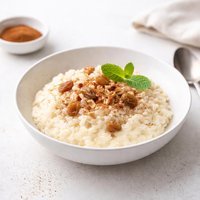
Optionally, garnish with a sprinkle of extra cinnamon or fresh fruits before serving.
Nutrition Facts
Calories |
303 | ||
|---|---|---|---|
% Daily Value* |
|||
| Total Fat | 0.3 g | 0% | |
| Saturated Fat | 0.0 g | 0% | |
| Polyunsaturated Fat | 0.0 g | ||
| Cholesterol | 0 mg | 0% | |
| Sodium | 131 mg | 6% | |
| Total Carbohydrate | 70.3 g | 26% | |
| Dietary Fiber | 1.4 g | 5% | |
| Total Sugars | 32.6 g | ||
| Protein | 3.1 g | 6% | |
| Vitamin D | 0.0 mcg | 0% | |
| Calcium | 37 mg | 3% | |
| Iron | 2.0 mg | 11% | |
| Potassium | 58 mg | 1% | |
*The % Daily Value tells you how much a nutrient in a serving of food contributes to a daily diet. 2,000 calories a day is used for general nutrition advice.


