Rice VS Lime
A detailed nutritional comparison
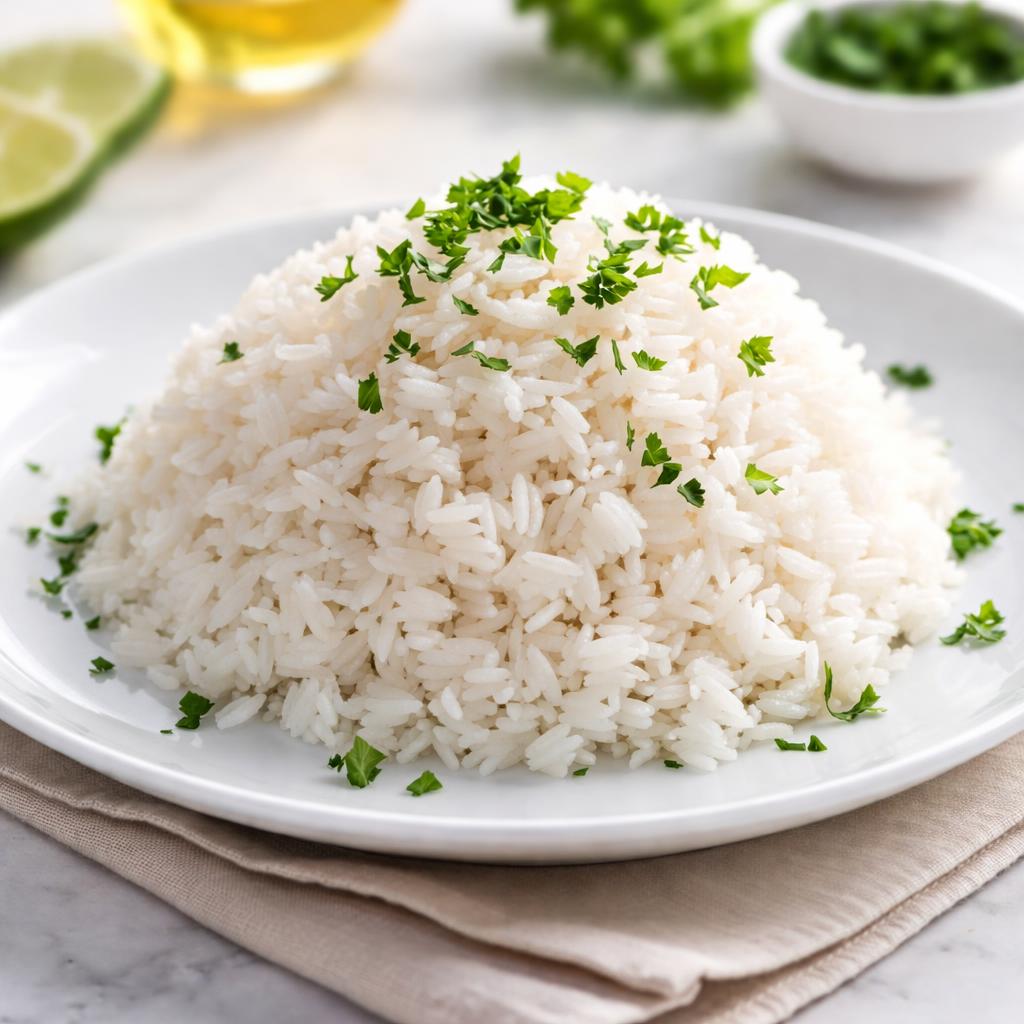
Rice
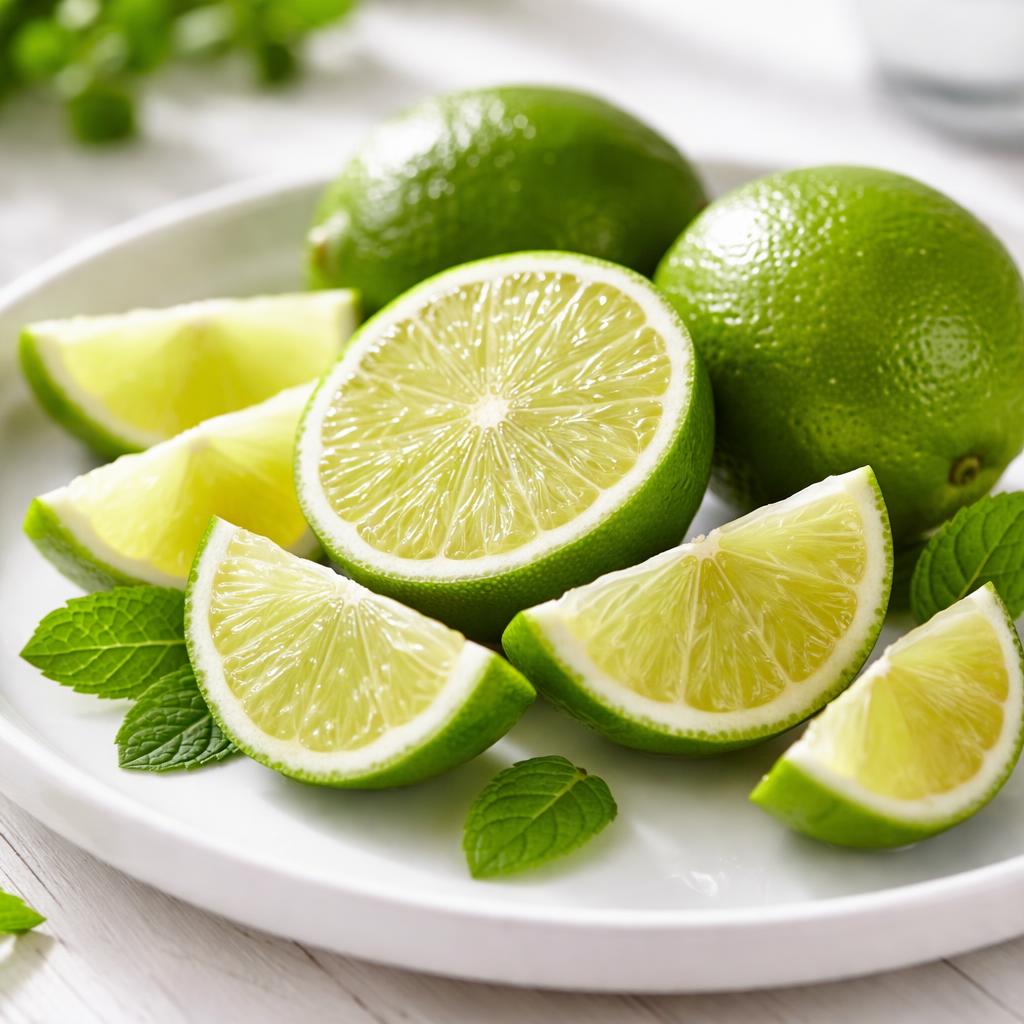
Lime
🎯 Quick Verdict
Rice and lime serve very different dietary purposes. Rice provides significantly more calories and energy through carbs, along with some protein, making it ideal for fueling activity or meals requiring bulk. Lime is extremely low-calorie, high in vitamin C, and offers more fiber proportionally, perfect for flavoring or boosting digestion and immunity. Both serve unique roles in diet planning.

Smart Nutrition Tracking with SnapCalorie

📊 Nutritional Comparison
Macronutrients
| Nutrient | Food 1 | Food 2 | Winner |
|---|---|---|---|
| Calories | 130 per cup (cooked) | 20 per whole lime | − |
| Protein | 2.7g | 0.5g | − |
| Carbs | 28g | 7g | − |
| Fat | 0.3g | 0.1g | − |
| Fiber | 0.4g | 2g | − |
Vitamins & Minerals
| Nutrient | Food 1 | Food 2 | Winner |
|---|---|---|---|
| Vitamin C | 0mg | 29mg (~32% DV) | − |
| Calcium | 10mg | 22mg | − |
| Iron | 0.2mg | 0.4mg | − |
🏆 Category Winners
Protein
Rice contains 440% more protein than lime per serving.
Fiber
Lime provides 5 times more fiber than rice per serving.
Calories
Lime has 85% fewer calories per serving compared to rice.
Vitamins
Lime is particularly high in vitamin C, an important antioxidant.
🥗 Diet Compatibility
Keto
Food 1: Not Compatible
Food 2: Compatible
Rice is too high in carbs for keto diets, while lime is low-carb.
Vegan
Food 1: Compatible
Food 2: Compatible
Both foods are plant-based and vegan-friendly.
Gluten Free
Food 1: Compatible
Food 2: Compatible
Neither contains gluten.
Paleo
Food 1: Compatible
Food 2: Compatible
Both are acceptable on paleo diets.
Low-Carb
Food 1: Not Compatible
Food 2: Compatible
Rice is a high-carb grain, while lime is low-carb and suitable for low-carb diets.
💪 Health Benefits Comparison
Food 1 Benefits
- Energy-rich food ideal for sustained energy levels
- Contains essential micronutrients like manganese for metabolism support
- Easily digestible and gluten-free for sensitive stomachs
Food 2 Benefits
- Excellent source of vitamin C to boost immunity
- Rich in antioxidants for cell health and protection against free radicals
- Supports digestion and gut health with fiber and natural acidity
- May improve skin health due to its vitamin content
✅ The Bottom Line
Rice and lime both have distinct uses in any diet. Rice is a great energy-dense staple for meals that require bulk, ideal for athletes or those needing extra carbs. Lime, on the other hand, is better suited for flavoring dishes, enhancing digestion, or boosting immunity due to its high vitamin C content. They complement each other well in balanced diets.
Choose Food 1 for: Energy-dense meals, athletes, regular carb intake
Choose Food 2 for: Flavor enhancing, digestion support, low-calorie diets


