Rice VS High Protein Yogurt
A detailed nutritional comparison
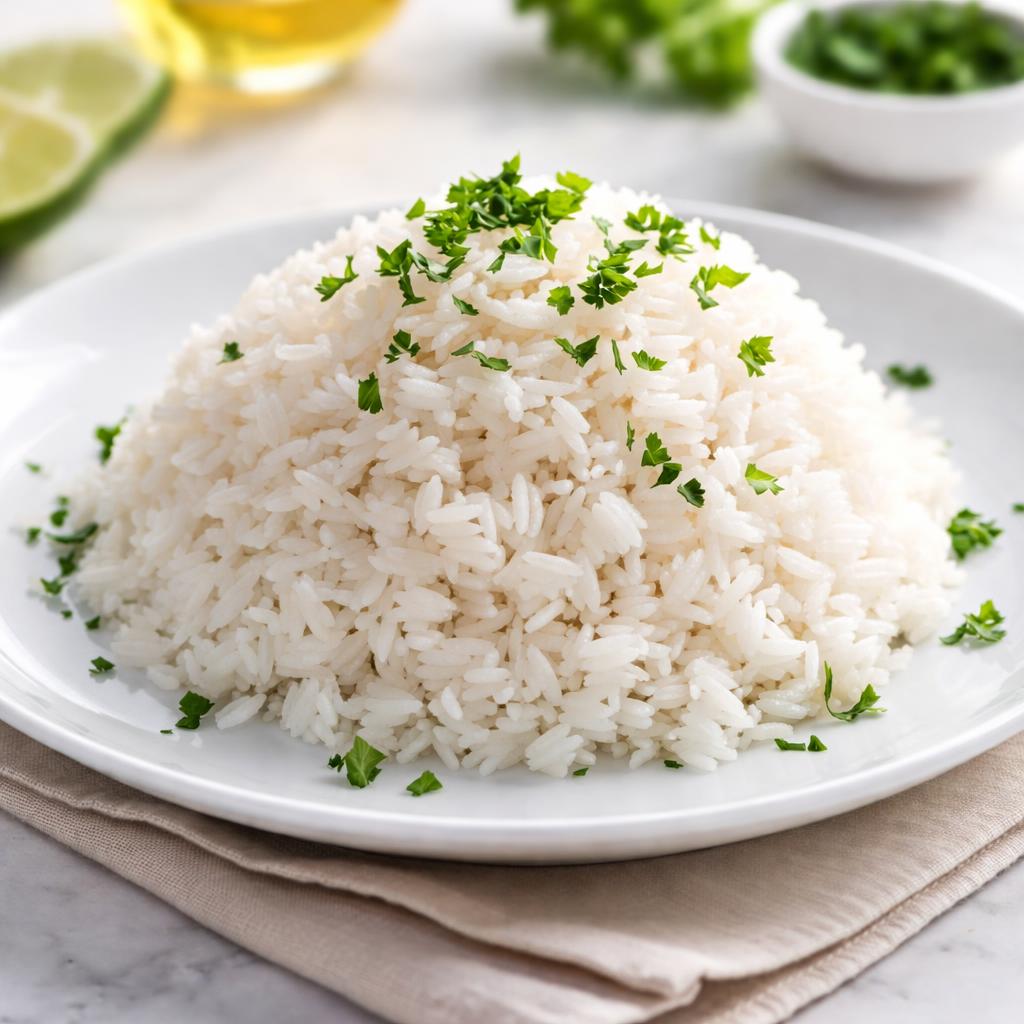
Rice
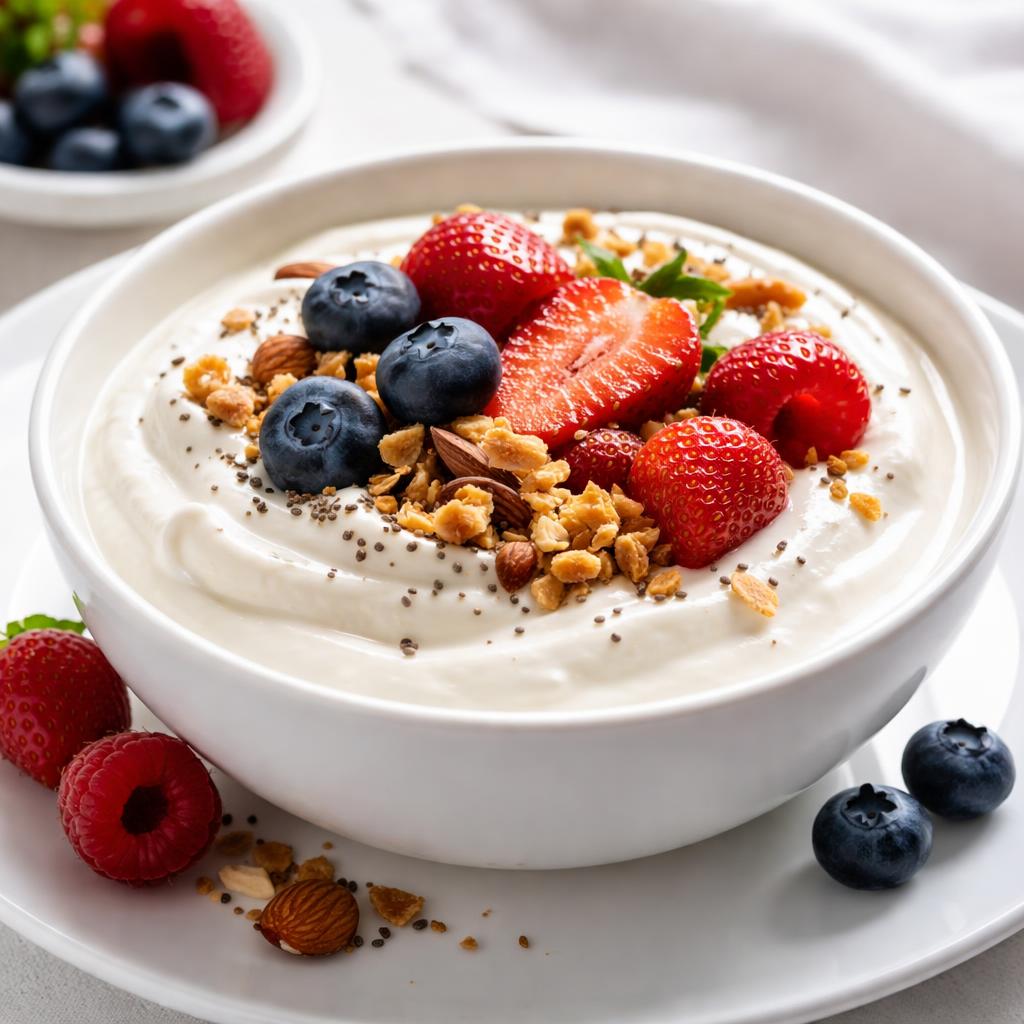
High Protein Yogurt
🎯 Quick Verdict
Rice is a staple carbohydrate source with more fiber and lower calories per serving, making it better for energy support and weight management. High protein yogurt excels in protein content and provides calcium and probiotics for muscle maintenance and gut health. Choose rice for a versatile grain base and yogurt for boosting protein intake and digestion.

Smart Nutrition Tracking with SnapCalorie

📊 Nutritional Comparison
Macronutrients
| Nutrient | Food 1 | Food 2 | Winner |
|---|---|---|---|
| Calories | 205 (per cup cooked) | 100 (per 6 oz serving) | ✓ |
| Protein | 4.3g | 15g | ✓ |
| Carbs | 44.5g | 8g | ✓ |
| Fat | 0.4g | 2g | ✓ |
| Fiber | 0.6g | 0g | ✓ |
Vitamins & Minerals
| Nutrient | Food 1 | Food 2 | Winner |
|---|---|---|---|
| Vitamin D | 0mcg | 3mcg | ✓ |
| Calcium | 20mg | 150mg | ✓ |
| Iron | 1.9mg | 0.1mg | ✓ |
🏆 Category Winners
Protein
High protein yogurt provides over 3x more protein than rice per serving.
Fiber
Rice has some fiber, while high protein yogurt contains none.
Calories
High protein yogurt has ~50% fewer calories per serving.
Vitamins
High protein yogurt offers significantly more Vitamin D and calcium for bone health.
🥗 Diet Compatibility
Keto
Food 1: Not Compatible
Food 2: Compatible
Rice is high in carbohydrates, while high protein yogurt is low-carb and high in protein.
Vegan
Food 1: Compatible
Food 2: Not Compatible
Rice is plant-based, while yogurt typically includes dairy.
Gluten Free
Food 1: Compatible
Food 2: Compatible
Neither food contains gluten.
Paleo
Food 1: Partially Compatible
Food 2: Not Compatible
Rice is generally not allowed on paleo diets, but yogurt does not meet paleo guidelines due to dairy content.
Low Carb
Food 1: Not Compatible
Food 2: Compatible
Rice is carb-heavy, while high protein yogurt is low in carbs.
💪 Health Benefits Comparison
Food 1 Benefits
- Provides sustained energy due to high carbohydrate content
- Low in fat, suitable for low-fat diets
- Contains some iron for oxygen transport
Food 2 Benefits
- Rich in protein to support muscle growth and maintenance
- Contains probiotics for gut health
- Excellent source of calcium and Vitamin D for bone strength
✅ The Bottom Line
Choose rice when you need an energy-dense meal base, especially if your goal is to fuel physical activity or complement a vegan diet. Opt for high protein yogurt when prioritizing protein intake, supporting digestion, and achieving satiety on low-carb or weight-loss diets.
Choose Food 1 for: Energy boost, carb replenishment, vegan meals
Choose Food 2 for: Protein-rich diets, gut health, weight loss, keto-friendly snacking


