Rice VS Frozen Banana
A detailed nutritional comparison
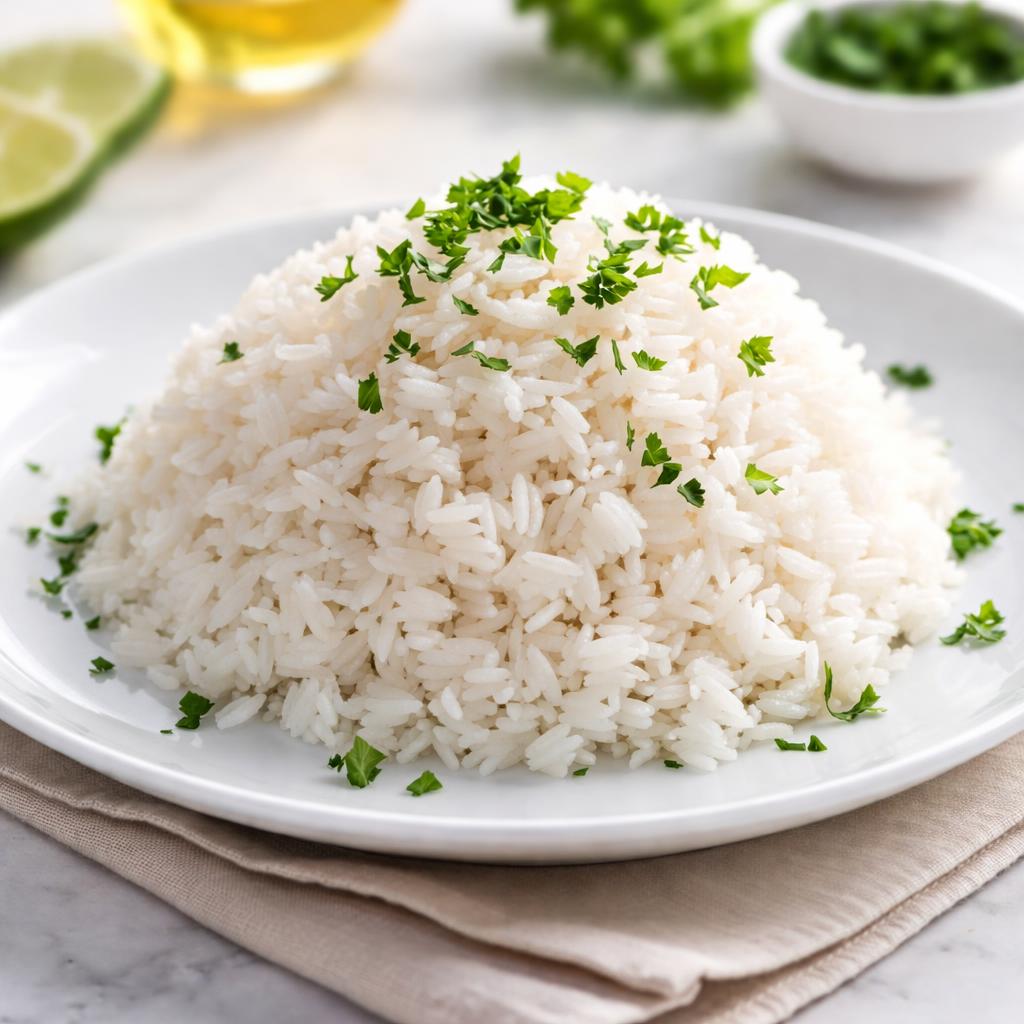
Rice
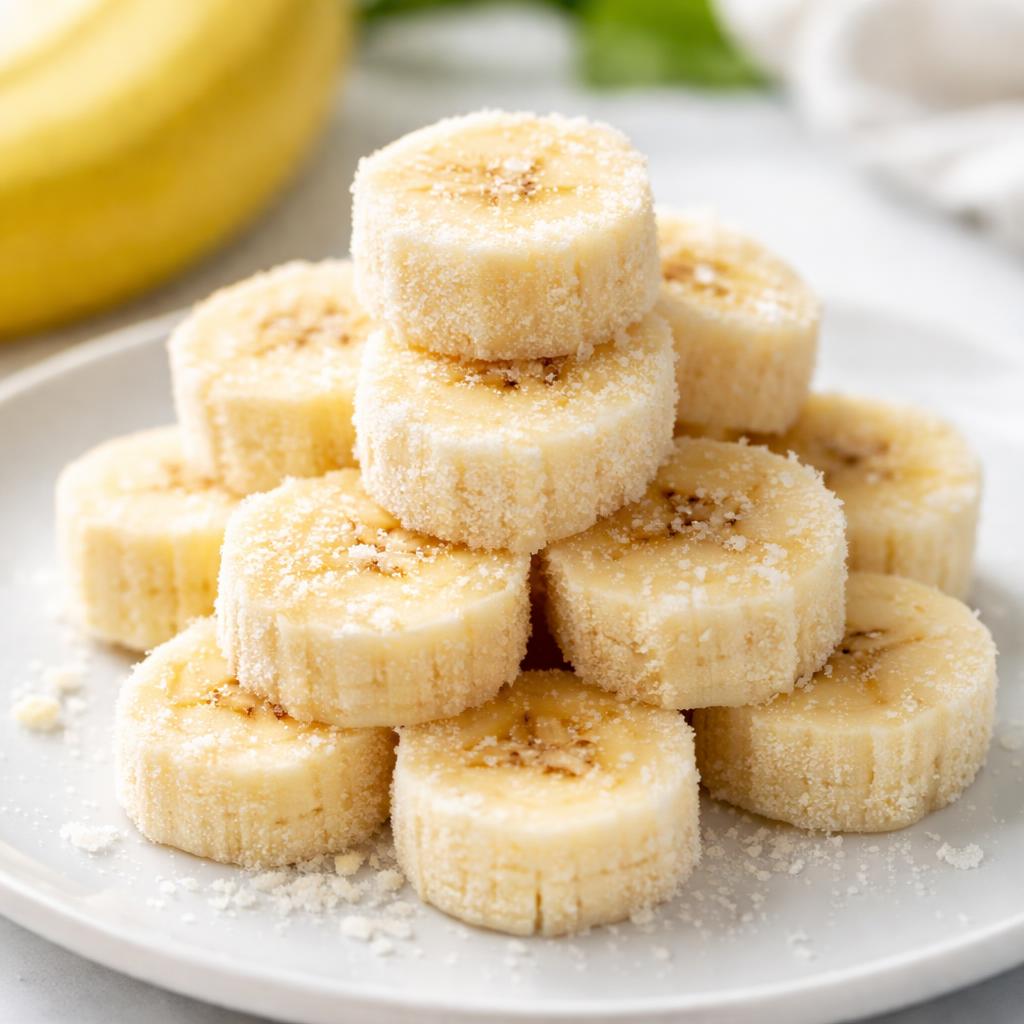
Frozen Banana
🎯 Quick Verdict
Rice is a versatile grain that's lower in calories and higher in protein compared to frozen bananas. Frozen bananas shine with higher fiber, natural sugars for quick energy, and antioxidant properties. Rice works well as a staple carb source, while frozen bananas are better for snacks and smoothies with added nutritional benefits.

Smart Nutrition Tracking with SnapCalorie

📊 Nutritional Comparison
Macronutrients
| Nutrient | Food 1 | Food 2 | Winner |
|---|---|---|---|
| Calories | 130 per 1 cup cooked | 100 per 1 medium banana (frozen) | ✓ |
| Protein | 2.7g | 1.3g | ✓ |
| Carbs | 28g | 27g | − |
| Fat | 0.3g | 0.5g | ✓ |
| Fiber | 0.4g | 3g | ✓ |
Vitamins & Minerals
| Nutrient | Food 1 | Food 2 | Winner |
|---|---|---|---|
| Vitamin C | 0mg | 10mg | ✓ |
| Potassium | 35mg | 400mg | ✓ |
| Vitamin D | 0mcg | 0mcg | − |
🏆 Category Winners
Protein
Rice contains over twice the amount of protein per serving compared to frozen banana.
Fiber
Frozen bananas provide significantly higher fiber content (3g vs 0.4g per serving).
Calories
Frozen bananas contain fewer calories per serving (100 vs 130).
Vitamins
Frozen bananas are rich in Vitamin C and potassium, which rice lacks.
🥗 Diet Compatibility
Keto
Food 1: Not Compatible
Food 2: Not Compatible
Both foods are high in carbs.
Vegan
Food 1: Compatible
Food 2: Compatible
Both foods are plant-based and support a vegan diet.
Gluten Free
Food 1: Compatible
Food 2: Compatible
Neither food contains gluten.
Paleo
Food 1: Not Compatible
Food 2: Compatible
Rice is a grain (not paleo), but bananas align with paleo principles.
Low Carb
Food 1: Not Compatible
Food 2: Not Compatible
Both foods are relatively high in carbs, exceeding low-carb limits.
💪 Health Benefits Comparison
Food 1 Benefits
- Provides lasting energy with complex carbs
- Low in fat, making it heart-healthy
- Versatile base for nutrient-rich meals
Food 2 Benefits
- Rich in fiber for digestive health
- Natural source of potassium for heart and muscle function
- Contains Vitamin C and antioxidants to support immune health
✅ The Bottom Line
Choose rice when looking for a low-fat, versatile carb source that provides a bit more protein. Opt for frozen bananas for fiber, quick energy, and a boost of vitamins and antioxidants. Both are great in specific contexts, but these foods are not interchangeable in their applications.
Choose Food 1 for: Meal prep, complex carb source for energy, versatile side dish
Choose Food 2 for: Smoothies, snacks, digestive health, fruit-based recipes


