Rice VS Fresh Pineapple
A detailed nutritional comparison

Rice
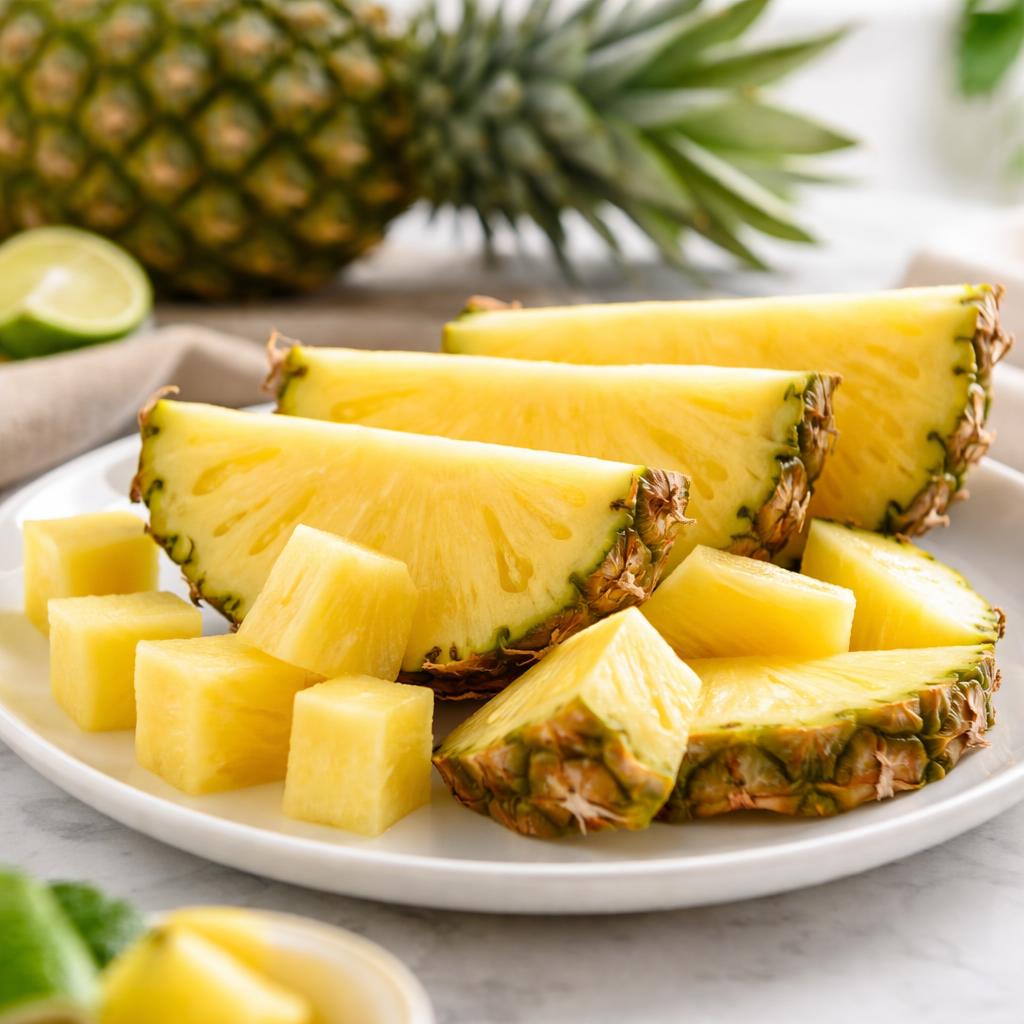
Fresh Pineapple
🎯 Quick Verdict
Rice and fresh pineapple bring very different nutritional profiles. Rice is a high-carbohydrate staple, ideal for sustained energy and pairing with proteins, while pineapple is a low-calorie fruit rich in vitamins, antioxidants, and fiber. Pineapple is a better choice for snacking, digestion, and immune health, while rice serves as a versatile base for balanced meals.

Smart Nutrition Tracking with SnapCalorie

📊 Nutritional Comparison
Macronutrients
| Nutrient | Food 1 | Food 2 | Winner |
|---|---|---|---|
| Calories | 206 (per 1 cup cooked) | 82 (per 1 cup diced) | ✓ |
| Protein | 4.3g | 0.9g | ✓ |
| Carbs | 44.5g | 21.7g | ✓ |
| Fat | 0.4g | 0.2g | ✓ |
| Fiber | 0.6g | 2.3g | ✓ |
Vitamins & Minerals
| Nutrient | Food 1 | Food 2 | Winner |
|---|---|---|---|
| Vitamin C | 0mg | 78.9mg (88% DV) | ✓ |
| Calcium | 20mg | 21mg | ✓ |
| Iron | 1.9mg | 0.3mg | ✓ |
🏆 Category Winners
Protein
Rice provides almost five times more protein than pineapple.
Fiber
Fresh pineapple has nearly four times more fiber than rice.
Calories
Pineapple has 60% fewer calories per serving compared to rice.
Vitamins
Pineapple is rich in vitamin C and provides slightly more calcium but less iron overall.
🥗 Diet Compatibility
Keto
Food 1: Not Compatible
Food 2: Not Compatible
Both foods are high in carbohydrates.
Vegan
Food 1: Compatible
Food 2: Compatible
Both are plant-based and vegan-friendly.
Gluten Free
Food 1: Compatible
Food 2: Compatible
Neither contains gluten.
Paleo
Food 1: Not Compatible
Food 2: Compatible
Rice is excluded in paleo diets, but pineapple fits due to its natural, whole-food profile.
Low Carb
Food 1: Not Compatible
Food 2: Not Compatible
Both foods are carb-rich and unsuitable for low-carb diets.
💪 Health Benefits Comparison
Food 1 Benefits
- Provides a quick source of energy due to high carbohydrate content
- Low in fat, making it a suitable option for low-fat diets
- Contains trace amounts of iron beneficial for red blood cell production
Food 2 Benefits
- High in vitamin C to support immunity and collagen production
- Rich in antioxidants, particularly bromelain for anti-inflammatory properties
- Good source of fiber, promoting digestive health
- Low-calorie option ideal for weight loss diets
✅ The Bottom Line
Rice is a better choice for those needing a filling carbohydrate source to power through meals or workouts, while fresh pineapple is ideal as a low-calorie, nutrient-rich snack packed with vitamin C and fiber. For weight management or improving digestion, pineapple is the clear winner. Use rice for energy-heavy meals and pineapple for snacks or dessert.
Choose Food 1 for: Energy-heavy meals, carbohydrate loading, budget-friendly cooking
Choose Food 2 for: Snacking, vitamin C boost, digestion improvement


