Rice VS French Onion Dip
A detailed nutritional comparison
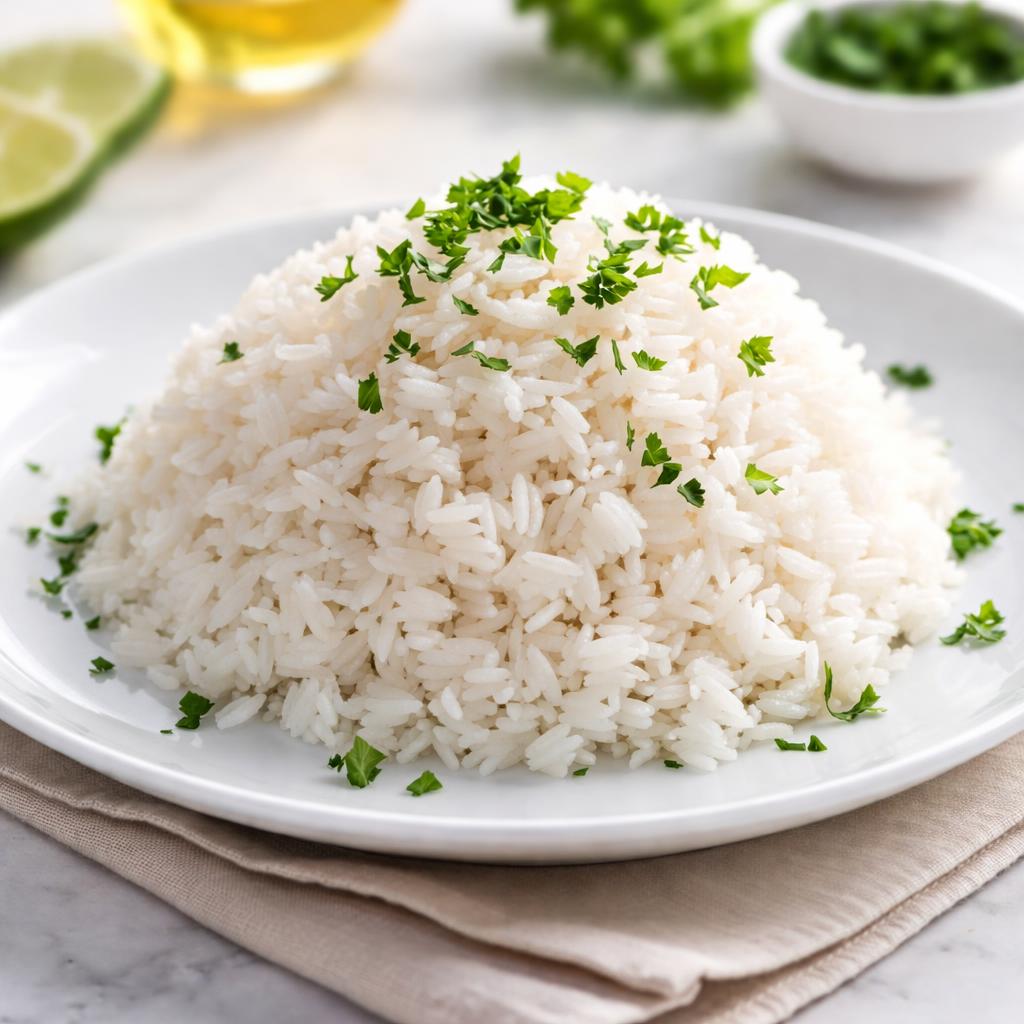
Rice
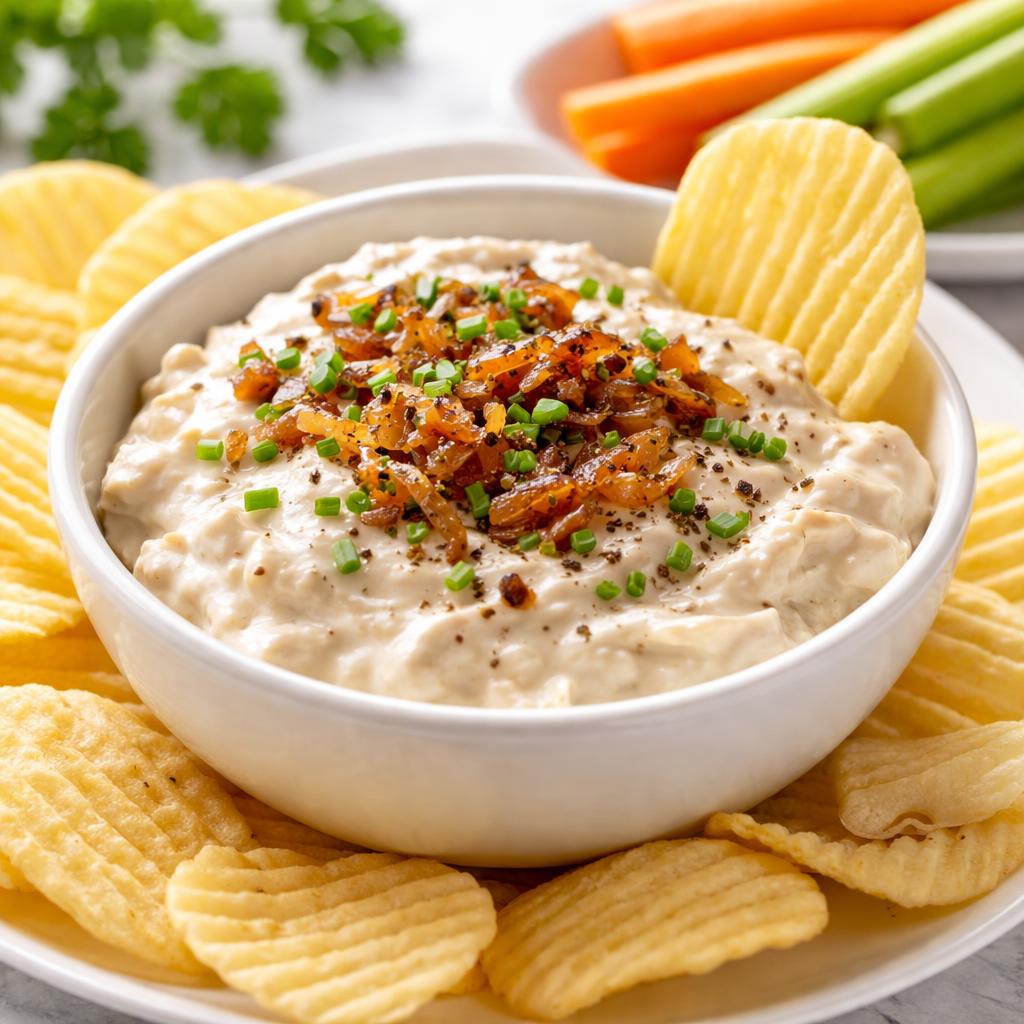
French Onion Dip
🎯 Quick Verdict
Rice and French onion dip differ significantly in nutritional profiles. Rice is a better choice for energy and fiber, aligning with high-carb, vegan, or gluten-free diets. French onion dip is protein-rich but higher in fat and calories, making it more suitable for occasional use rather than as a diet staple.

Smart Nutrition Tracking with SnapCalorie

📊 Nutritional Comparison
Macronutrients
| Nutrient | Food 1 | Food 2 | Winner |
|---|---|---|---|
| Calories | 206 | 120 | ✓ |
| Protein | 4.3g | 2g | ✓ |
| Carbs | 44.5g | 3.5g | ✓ |
| Fat | 0.4g | 11g | ✓ |
| Fiber | 0.6g | 0g | ✓ |
Vitamins & Minerals
| Nutrient | Food 1 | Food 2 | Winner |
|---|---|---|---|
| Vitamin D | 0mcg | 0mcg | − |
| Calcium | 10mg | 90mg | ✓ |
| Iron | 0.2mg | 0.1mg | ✓ |
🏆 Category Winners
Protein
Rice has higher protein content per serving.
Fiber
Rice contains dietary fiber while French onion dip does not.
Calories
French onion dip contains fewer calories but is high in fat.
Vitamins
French onion dip offers more calcium benefits per serving.
🥗 Diet Compatibility
Keto
Food 1: Not Compatible
Food 2: Compatible
French onion dip is low-carb while rice is carbohydrate-dense.
Vegan
Food 1: Compatible
Food 2: Not Compatible
Rice is plant-based whereas French onion dip contains dairy.
Gluten Free
Food 1: Compatible
Food 2: Compatible
Both foods are gluten-free when prepared traditionally.
Paleo
Food 1: Compatible
Food 2: Not Compatible
Rice aligns with the paleo diet while French onion dip often includes dairy additives.
Low-Carb
Food 1: Not Compatible
Food 2: Compatible
Rice is high in carbohydrates, making it less suitable for low-carb diets.
💪 Health Benefits Comparison
Food 1 Benefits
- Provides long-lasting energy due to high carb content
- Low in fat, promoting heart health
- Contains small amounts of protein and fiber
Food 2 Benefits
- Rich in calcium for strong bones and teeth
- Moderate protein content supports general muscle function
- Contains fats which can provide longer-term satiation
✅ The Bottom Line
Rice is better suited for those seeking energy and a versatile base for meals, especially in high-carb or vegan diets. French onion dip is best enjoyed sparingly as a snack or dip for its protein and calcium, though its higher fat content makes it unsuitable for daily consumption.
Choose Food 1 for: Energy-heavy meals, vegan or gluten-free diets, affordable staple ingredient
Choose Food 2 for: Snack options, low-carb diets, boosting calcium intake in moderation


