Rice VS Dried Fruit
A detailed nutritional comparison
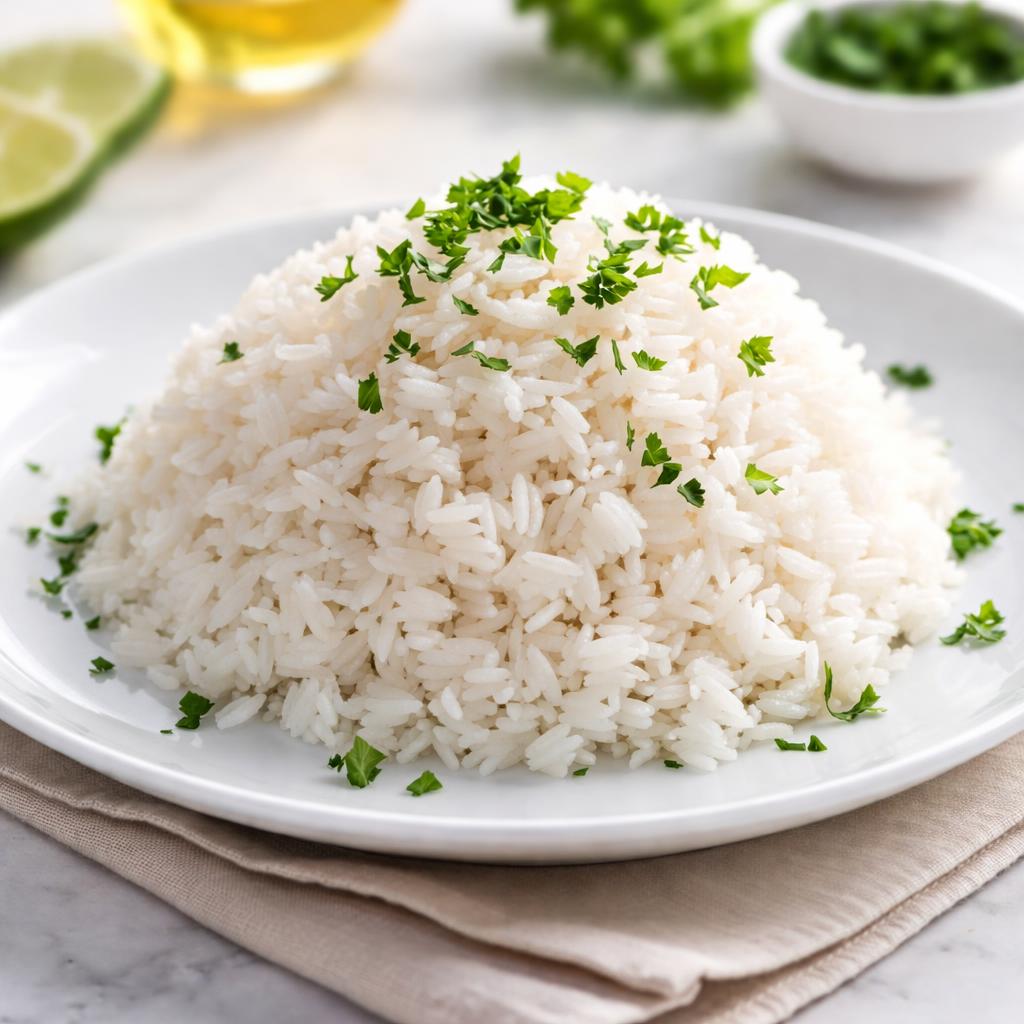
Rice
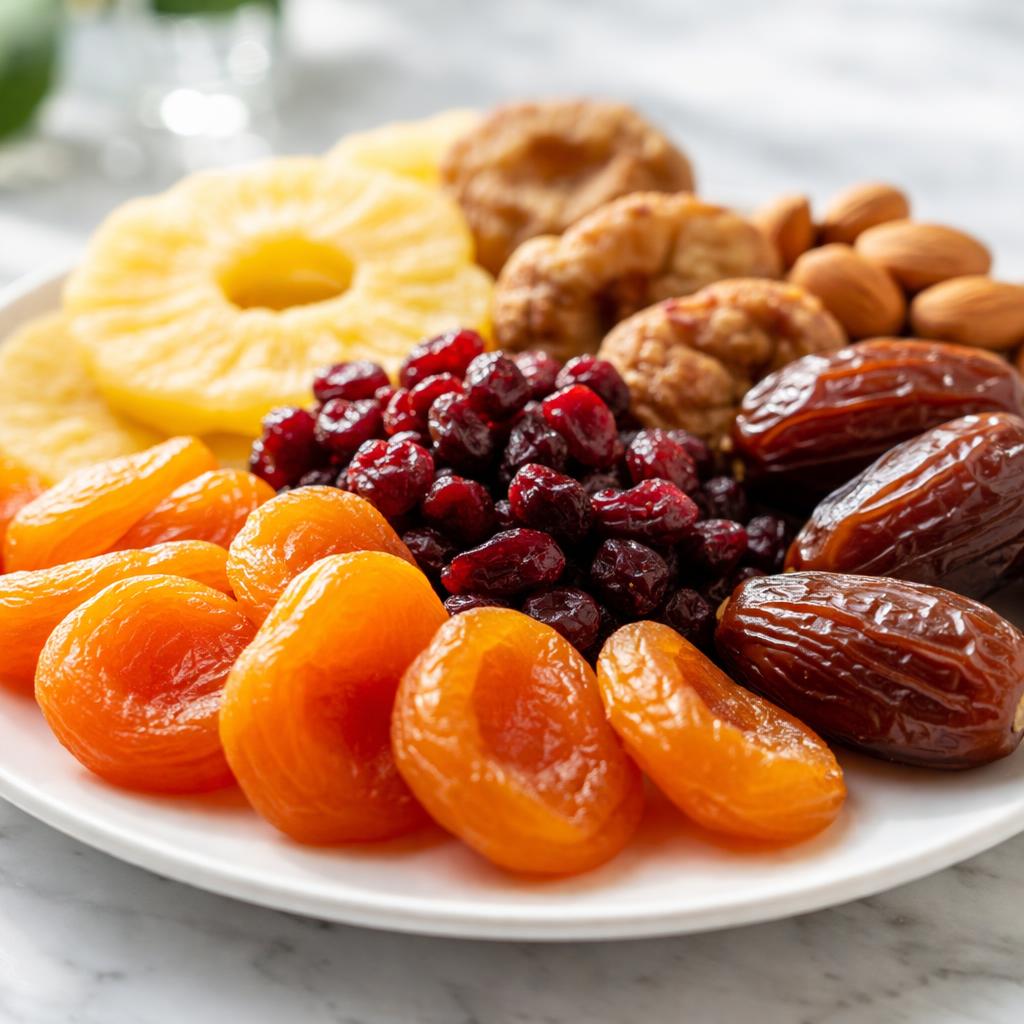
Dried Fruit
🎯 Quick Verdict
Rice is a lower-calorie, higher-protein option compared to dried fruit, which has more fiber but significantly higher sugars and calories. Rice is better suited for balanced meals and weight management, while dried fruit works as a nutrient-dense snack or energy booster.

Smart Nutrition Tracking with SnapCalorie

📊 Nutritional Comparison
Macronutrients
| Nutrient | Food 1 | Food 2 | Winner |
|---|---|---|---|
| Calories | 130 per 1 cup cooked | 220 per 1/4 cup | ✓ |
| Protein | 2.7g per 1 cup cooked | 0.5g per 1/4 cup | ✓ |
| Carbs | 28g per 1 cup cooked | 52g per 1/4 cup | ✓ |
| Fat | 0.3g per 1 cup cooked | 0g per 1/4 cup | ✓ |
| Fiber | 0.6g per 1 cup cooked | 2.8g per 1/4 cup | ✓ |
Vitamins & Minerals
| Nutrient | Food 1 | Food 2 | Winner |
|---|---|---|---|
| Vitamin D | 0mcg | 0mcg | − |
| Vitamin C | 0mg | 5mg per 1/4 cup | ✓ |
| Potassium | 35mg per 1 cup cooked | 478mg per 1/4 cup | ✓ |
| Iron | 0.2mg per 1 cup cooked | 0.9mg per 1/4 cup | ✓ |
🏆 Category Winners
Protein
Rice has over 5x more protein per serving compared to dried fruit.
Fiber
Dried fruit provides nearly 5x more fiber than rice, aiding digestion.
Calories
Rice has almost 40% fewer calories per serving than dried fruit.
Vitamins
Dried fruit is richer in micronutrients, offering more vitamin C, potassium, and iron.
🥗 Diet Compatibility
Keto
Food 1: Not Compatible
Food 2: Not Compatible
Both are high in carbs.
Vegan
Food 1: Compatible
Food 2: Compatible
Both are plant-based foods.
Gluten Free
Food 1: Compatible
Food 2: Compatible
Neither contains gluten.
Paleo
Food 1: Not Compatible
Food 2: Compatible
Dried fruit aligns with whole-food Paleo guidelines, while rice does not.
Low-Carb
Food 1: Not Compatible
Food 2: Not Compatible
Both are carb-dense foods and unsuitable for low-carb diets.
💪 Health Benefits Comparison
Food 1 Benefits
- Low in fat, making it heart-healthy
- Provides moderate energy from complex carbs
- Easy to digest and suitable for sensitive stomachs
Food 2 Benefits
- Rich in fiber to improve digestion
- High in potassium for muscle and cardiovascular health
- Contains natural sugars for quick energy replenishment
- Good source of iron to support blood health
✅ The Bottom Line
Choose rice for a balanced, lower-calorie option suitable for main meals, especially during weight loss or muscle recovery periods. Opt for dried fruit as an efficient, nutrient-rich source of energy or a portable snack for active lifestyles.
Choose Food 1 for: Weight management, main meals, post-workout recovery
Choose Food 2 for: Portable snacks, energy-boosting, nutrient-dense additions to meals


