Rice VS Dried Apricots
A detailed nutritional comparison
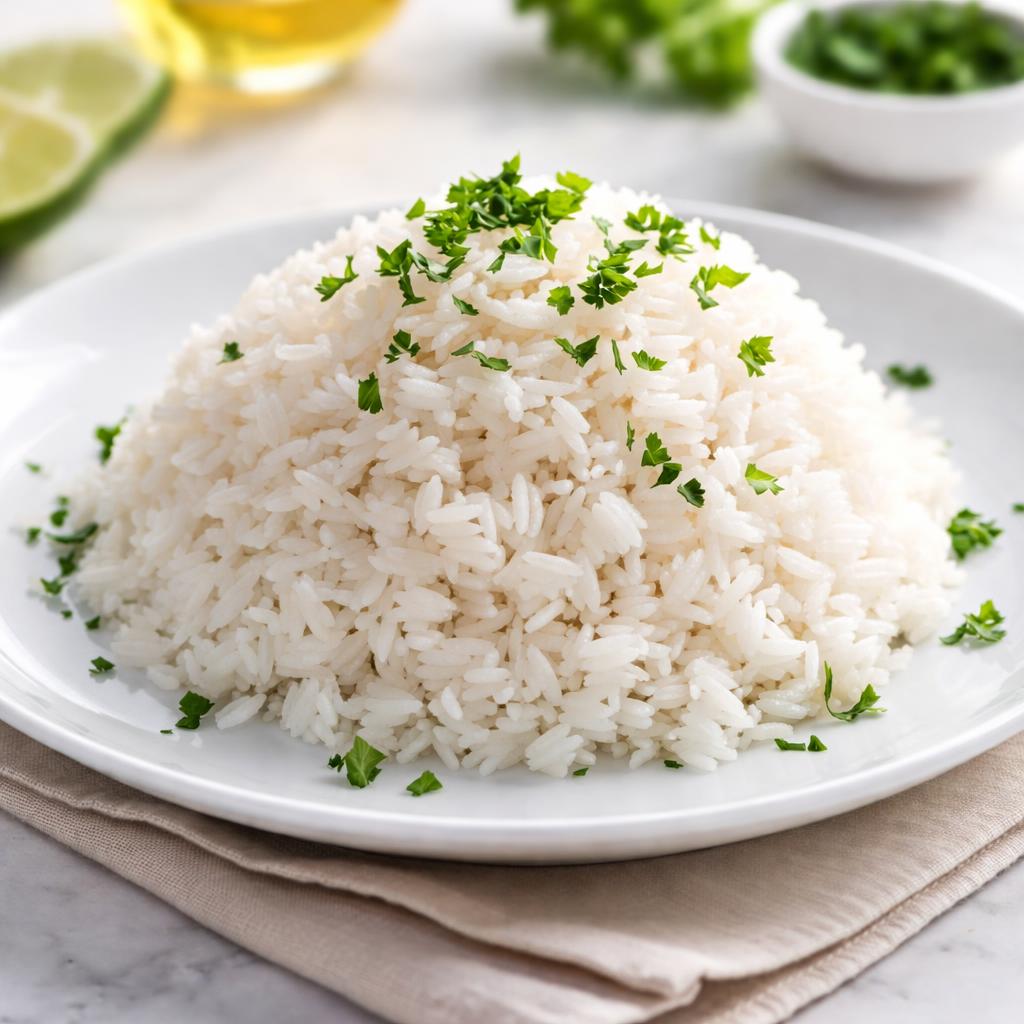
Rice
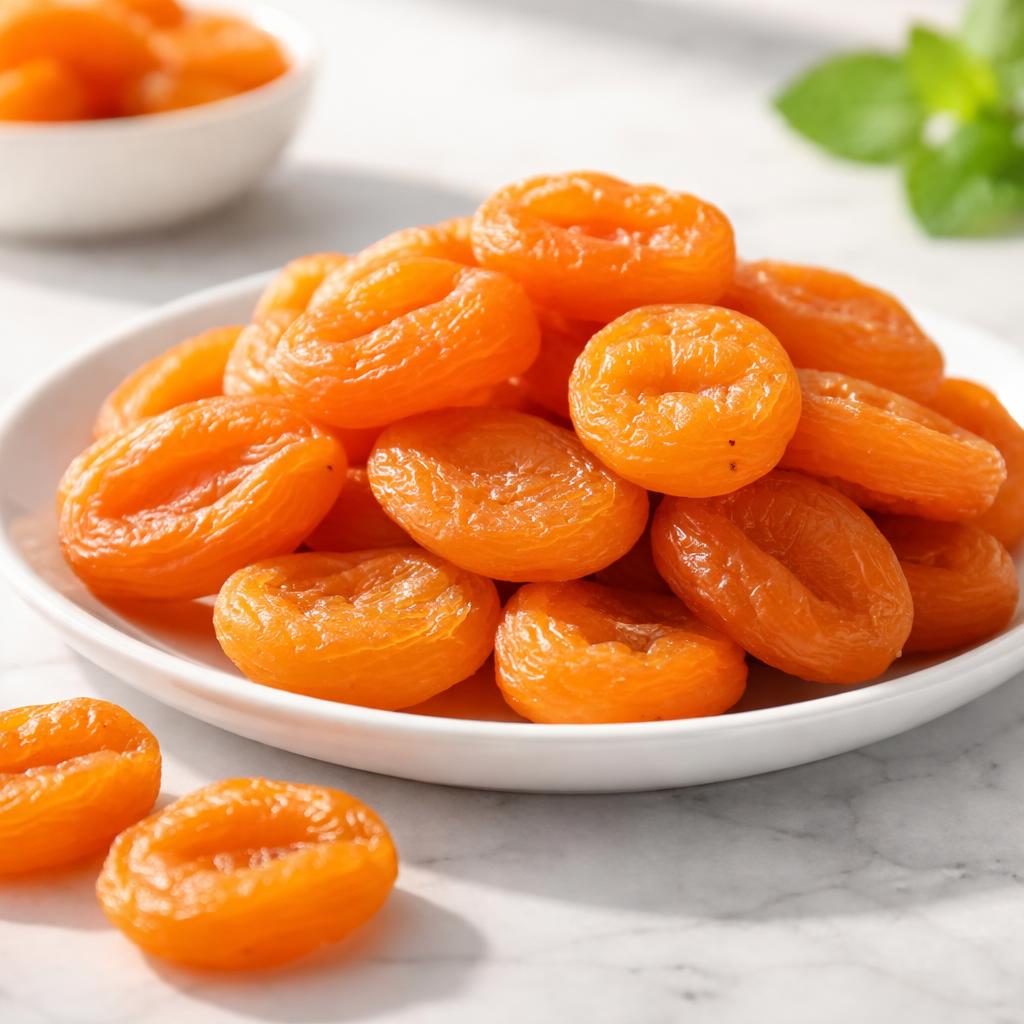
Dried Apricots
🎯 Quick Verdict
Dried apricots outperform rice nutritionally due to higher protein, fiber, and lower calorie content. Rice is a better choice for energy-dense meals, while dried apricots offer a more nutrient-dense profile suitable for snacks or desserts and delivering key vitamins like vitamin A and potassium.

Smart Nutrition Tracking with SnapCalorie

📊 Nutritional Comparison
Macronutrients
| Nutrient | Food 1 | Food 2 | Winner |
|---|---|---|---|
| Calories | 130 (per 1 cup, cooked) | 110 (per 1/4 cup) | ✓ |
| Protein | 2.6g | 2g | ✓ |
| Carbs | 28g | 25g | ✓ |
| Fat | 0.3g | 0g | ✓ |
| Fiber | 0.4g | 3g | ✓ |
Vitamins & Minerals
| Nutrient | Food 1 | Food 2 | Winner |
|---|---|---|---|
| Vitamin A | 0mcg | 1910mcg | ✓ |
| Vitamin C | 0mg | 3.5mg | ✓ |
| Potassium | 33mg | 430mg | ✓ |
🏆 Category Winners
Protein
Rice has slightly more protein at 2.6g versus apricots' 2g.
Fiber
Dried apricots provide significantly more fiber (3g versus rice’s 0.4g).
Calories
Dried apricots are lower in calories than rice for an equivalent portion size.
Vitamins
Dried apricots are rich in vitamin A, vitamin C, and potassium, whereas rice lacks vitamins.
🥗 Diet Compatibility
Keto
Food 1: Not Compatible
Food 2: Not Compatible
Both foods are high in carbohydrates, unsuitable for keto.
Vegan
Food 1: Compatible
Food 2: Compatible
Both foods are plant-based and suitable for vegans.
Gluten Free
Food 1: Compatible
Food 2: Compatible
Neither contains gluten.
Paleo
Food 1: Not Compatible
Food 2: Compatible
Rice is not paleo-friendly, whereas dried apricots fit paleo guidelines.
Low-Carb
Food 1: Not Compatible
Food 2: Not Compatible
Both foods contain more than 20g of carbohydrates per serving.
💪 Health Benefits Comparison
Food 1 Benefits
- Provides energy for active lifestyles
- Easy to digest and gentler on the stomach
- Low in fat and sodium
Food 2 Benefits
- High in fiber for digestive health
- Rich in vitamin A and potassium crucial for eye and heart health
- Contains antioxidants to combat free radicals
✅ The Bottom Line
Rice is a versatile, filling carbohydrate source well-suited for main meals, especially in energy-demanding diets. Dried apricots, on the other hand, excel as a nutrient-dense snack or dessert addition with fiber, vitamins, and minerals that support digestive and overall health.
Choose Food 1 for: General energy needs, meals requiring starchy carbohydrates
Choose Food 2 for: Digestive health, portable snacking, nutrient-dense diets


