Rice VS Dijon Mustard
A detailed nutritional comparison

Rice
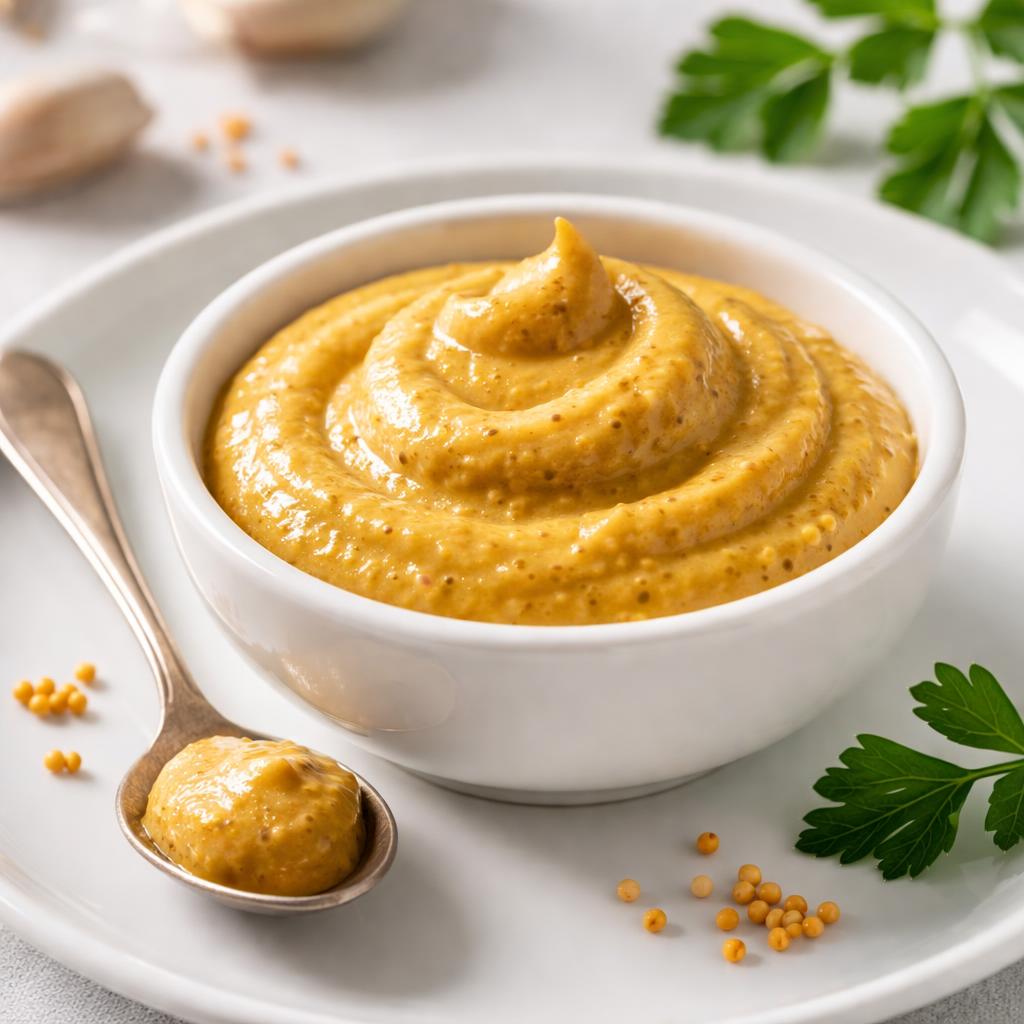
Dijon Mustard
🎯 Quick Verdict
Rice and Dijon mustard serve very different dietary purposes. Rice is a carbohydrate-rich staple that provides energy and fiber, while Dijon mustard is a low-calorie condiment with a notable amount of protein relative to its serving size. Rice is more suited for meal bases, whereas Dijon mustard adds flavor and small amounts of protein without significant caloric impact.

Smart Nutrition Tracking with SnapCalorie

📊 Nutritional Comparison
Macronutrients
| Nutrient | Food 1 | Food 2 | Winner |
|---|---|---|---|
| Calories | 206 per 1 cup cooked | 15 per 1 tablespoon | − |
| Protein | 4.3g | 0.9g | − |
| Carbs | 44.8g | 0.3g | − |
| Fat | 0.4g | 1g | − |
| Fiber | 0.6g | 0.1g | − |
Vitamins & Minerals
| Nutrient | Food 1 | Food 2 | Winner |
|---|---|---|---|
| Vitamin D | 0mcg | 0mcg | − |
| Calcium | 16mg | 11mg | − |
| Iron | 0.5mg | 0.1mg | − |
🏆 Category Winners
Protein
Dijon mustard has more protein relative to its serving size.
Fiber
Rice has multiple times the fiber content of mustard (0.6g vs. 0.1g).
Calories
Dijon mustard has significantly fewer calories per serving than rice.
Vitamins
Rice provides more calcium and iron than Dijon mustard.
🥗 Diet Compatibility
Keto
Food 1: Not Compatible
Food 2: Compatible
Rice contains high carbohydrates, while Dijon mustard is low-carb.
Vegan
Food 1: Compatible
Food 2: Compatible
Both foods are plant-based.
Gluten Free
Food 1: Compatible
Food 2: Compatible
Neither contains gluten naturally.
Paleo
Food 1: Compatible
Food 2: Compatible
Both foods are paleo-friendly.
Low-Carb
Food 1: Not Compatible
Food 2: Compatible
Rice is carbohydrate-dense while Dijon mustard is not.
💪 Health Benefits Comparison
Food 1 Benefits
- Provides sustained energy from complex carbohydrates
- Low in fat, making it heart-friendly
- Can help bulk meals with fiber content
Food 2 Benefits
- Low-calorie option for flavor enhancement
- Contains small amounts of protein
- May offer antioxidants depending on mustard seed sourcing
✅ The Bottom Line
Both foods have their place depending on dietary goals. Choose rice for meals requiring energy and nutritional bulk or Dijon mustard for a low-calorie condiment that enhances flavor without adding carbs.
Choose Food 1 for: Energy provision, meal bases, fiber addition
Choose Food 2 for: Low-calorie flavor boost, protein addition in small quantities, low-carb diets


