Rice VS Curry
A detailed nutritional comparison
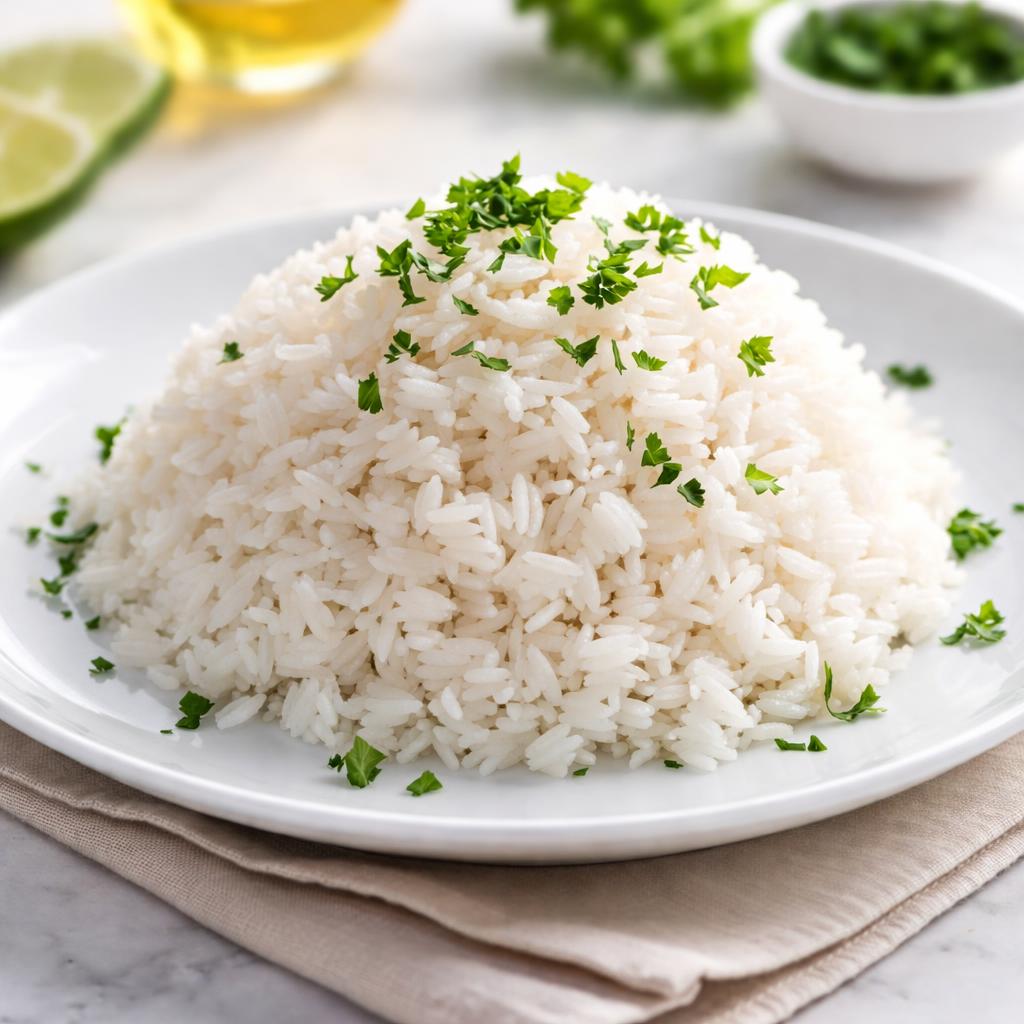
Rice
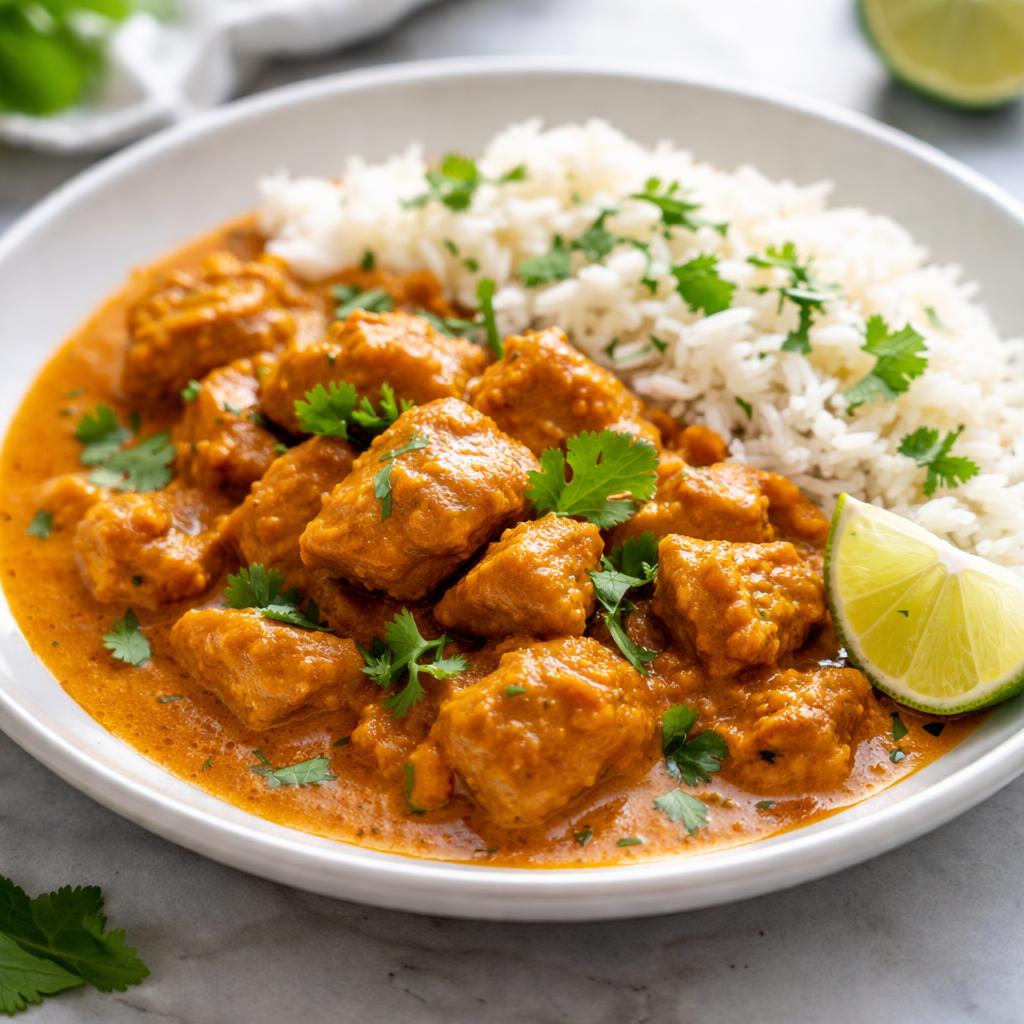
Curry
🎯 Quick Verdict
Rice is a low-calorie, carb-dense staple ideal for energy, while curry offers higher protein, fiber, and a rich mix of vitamins and minerals due to its ingredients like vegetables, legumes, or meat. Rice is best used as a base, while curry is nutrient-dense and flavorful, suitable as a main dish or topping.

Smart Nutrition Tracking with SnapCalorie

📊 Nutritional Comparison
Macronutrients
| Nutrient | Food 1 | Food 2 | Winner |
|---|---|---|---|
| Calories | 206 | 250 | − |
| Protein | 4.2g | 8g | − |
| Carbs | 45g | 16g | − |
| Fat | 0.4g | 10g | − |
| Fiber | 0.6g | 4g | − |
Vitamins & Minerals
| Nutrient | Food 1 | Food 2 | Winner |
|---|---|---|---|
| Vitamin A | 0mcg | 120mcg | − |
| Vitamin C | 0mg | 15mg | − |
| Iron | 0.2mg | 2.7mg | − |
| Calcium | 12mg | 40mg | − |
🏆 Category Winners
Protein
Curry delivers nearly double the protein per serving compared to rice due to ingredients like legumes or meat.
Fiber
Curry contains notably more fiber (4g vs 0.6g) from vegetables, spices, and legumes.
Calories
Rice is lower in calories, making it a lighter choice.
🥗 Diet Compatibility
Keto
Food 1: Not Compatible
Food 2: Partially Compatible
Rice is high-carb, while curry can fit keto if made with low-carb ingredients.
Vegan
Food 1: Compatible
Food 2: Compatible
Both can be vegan depending on curry ingredients.
Gluten Free
Food 1: Compatible
Food 2: Compatible
Neither contains gluten unless additives are included.
Paleo
Food 1: Not Compatible
Food 2: Potentially Compatible
Rice is not paleo, but curry can be adjusted to paleo standards using suitable ingredients.
Low-Carb
Food 1: Not Compatible
Food 2: Partially Compatible
Rice is high in carbs, but curry can be adapted with low-carb components.
💪 Health Benefits Comparison
Food 1 Benefits
- Provides sustained energy due to complex carbs
- Low fat content makes it light for digestion
- Gluten-free grain suitable for those with sensitivities
Food 2 Benefits
- Rich in fiber, aiding digestion and gut health
- Higher protein content supports muscle repair and growth
- Contains vitamins and antioxidants that boost immunity
✅ The Bottom Line
Rice is ideal for energy and light meals, acting as a neutral base for dishes. Curry is nutrient-rich, suitable for adding flavor, protein, and vitamins to meals. Pair them together for a balanced combination.
Choose Food 1 for: Neutral low-fat base, sustained energy, gluten-free diets
Choose Food 2 for: Protein-rich meals, nutrient density, immune-boosting properties


