Rice VS Creamed Spinach
A detailed nutritional comparison
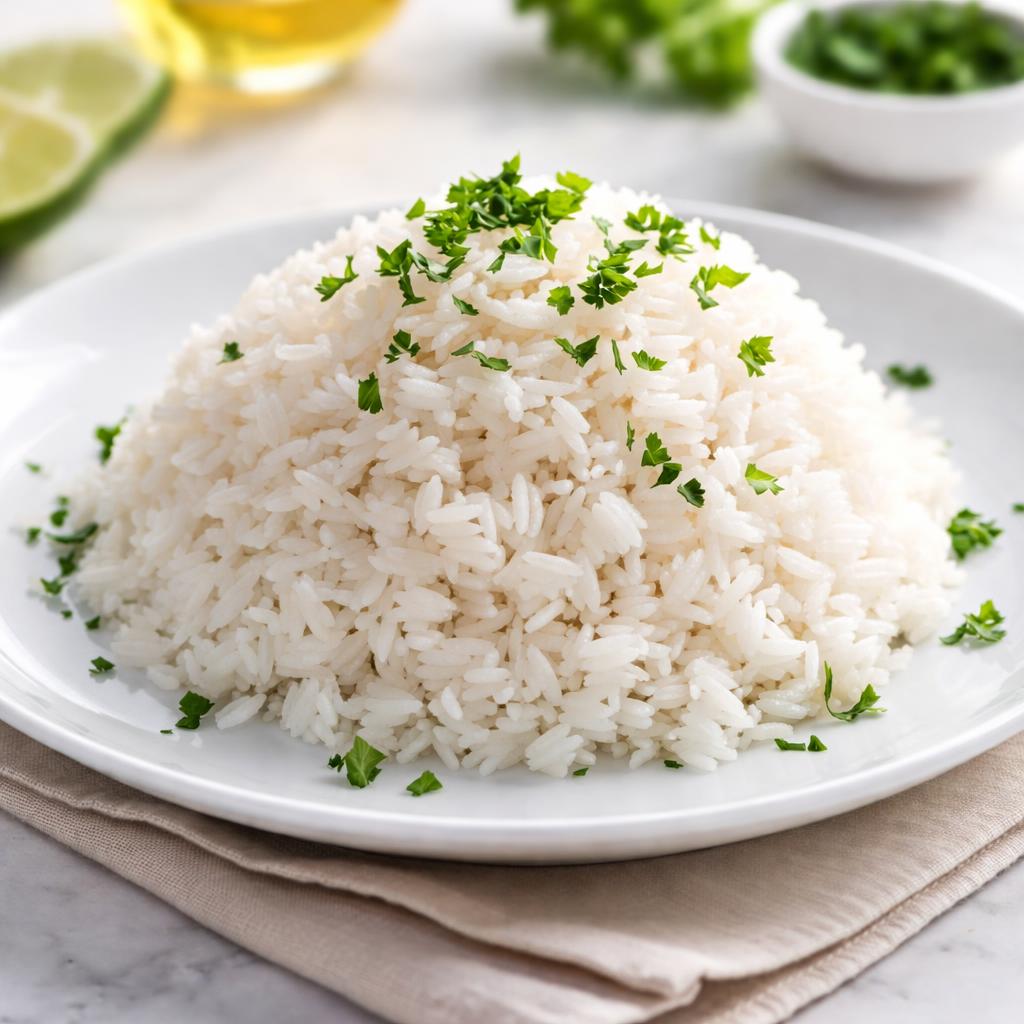
Rice
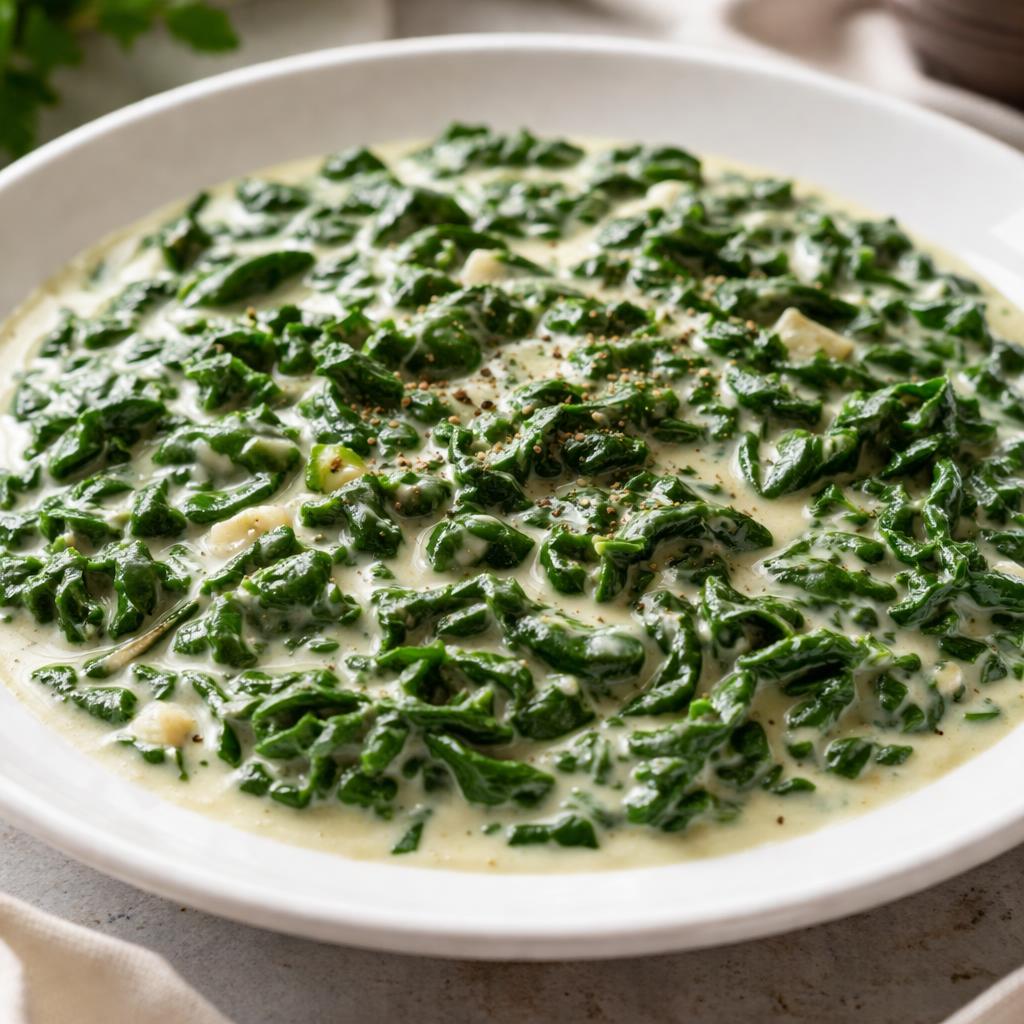
Creamed Spinach
🎯 Quick Verdict
Creamed spinach is nutritionally more diverse, providing higher protein, fiber, and essential vitamins and minerals (like Vitamin A and Calcium). Rice, on the other hand, is lower in calories and primarily provides concentrated energy via carbohydrates. Choose creamed spinach for nutrient density and rice for energy-focused meal plans.

Smart Nutrition Tracking with SnapCalorie

📊 Nutritional Comparison
Macronutrients
| Nutrient | Food 1 | Food 2 | Winner |
|---|---|---|---|
| Calories | 130 per 100g (white cooked) | 100 per 100g | ✓ |
| Protein | 2.7g | 3.4g | ✓ |
| Carbs | 28g | 4g | ✓ |
| Fat | 0.3g | 7g | ✓ |
| Fiber | 0.3g | 2g | ✓ |
Vitamins & Minerals
| Nutrient | Food 1 | Food 2 | Winner |
|---|---|---|---|
| Vitamin A | 0 IU | 12,000 IU | ✓ |
| Vitamin C | 0mg | 10mg | ✓ |
| Calcium | 10mg | 150mg | ✓ |
| Iron | 0.2mg | 1.5mg | ✓ |
🏆 Category Winners
Protein
Creamed spinach contains 26% more protein per serving.
Fiber
Creamed spinach has significantly more dietary fiber.
Calories
Rice is lower in calories per serving compared to creamed spinach.
Vitamins
Creamed spinach provides dramatically higher Vitamin A, Vitamin C, Calcium, and Iron.
🥗 Diet Compatibility
Keto
Food 1: Not Compatible
Food 2: Not Compatible
Both foods contain too many carbs or fat for strict keto ratios.
Vegan
Food 1: Compatible
Food 2: Not Compatible
Rice is plant-based, but creamed spinach often contains dairy.
Gluten Free
Food 1: Compatible
Food 2: Compatible
Neither food contains gluten.
Paleo
Food 1: Compatible
Food 2: Not Compatible
Rice qualifies for some paleo diets, but creamed spinach typically includes processed ingredients like cream.
Low Carb
Food 1: Not Compatible
Food 2: Compatible
Rice is high in carbs, while creamed spinach is relatively low-carb.
💪 Health Benefits Comparison
Food 1 Benefits
- Provides quick energy through complex carbohydrates
- Low in fat for calorie-controlled diets
- Easy to digest and mild on the stomach
Food 2 Benefits
- Rich source of Vitamin A for eye and skin health
- Contains dietary fiber for gut health
- Good amount of calcium for bone strength
✅ The Bottom Line
Creamed spinach outweighs rice in terms of nutritional density and is best suited for balanced, nutrient-rich meals, especially for protein, fiber, and vitamins. Rice is better for those wanting a lower-calorie, energy-focused carbohydrate base.
Choose Food 1 for: Energy-focused meals, easily digestible food, carb-heavy diets
Choose Food 2 for: Nutrient-rich diets, bone health, balanced meals


