Rice VS Corn Salad
A detailed nutritional comparison
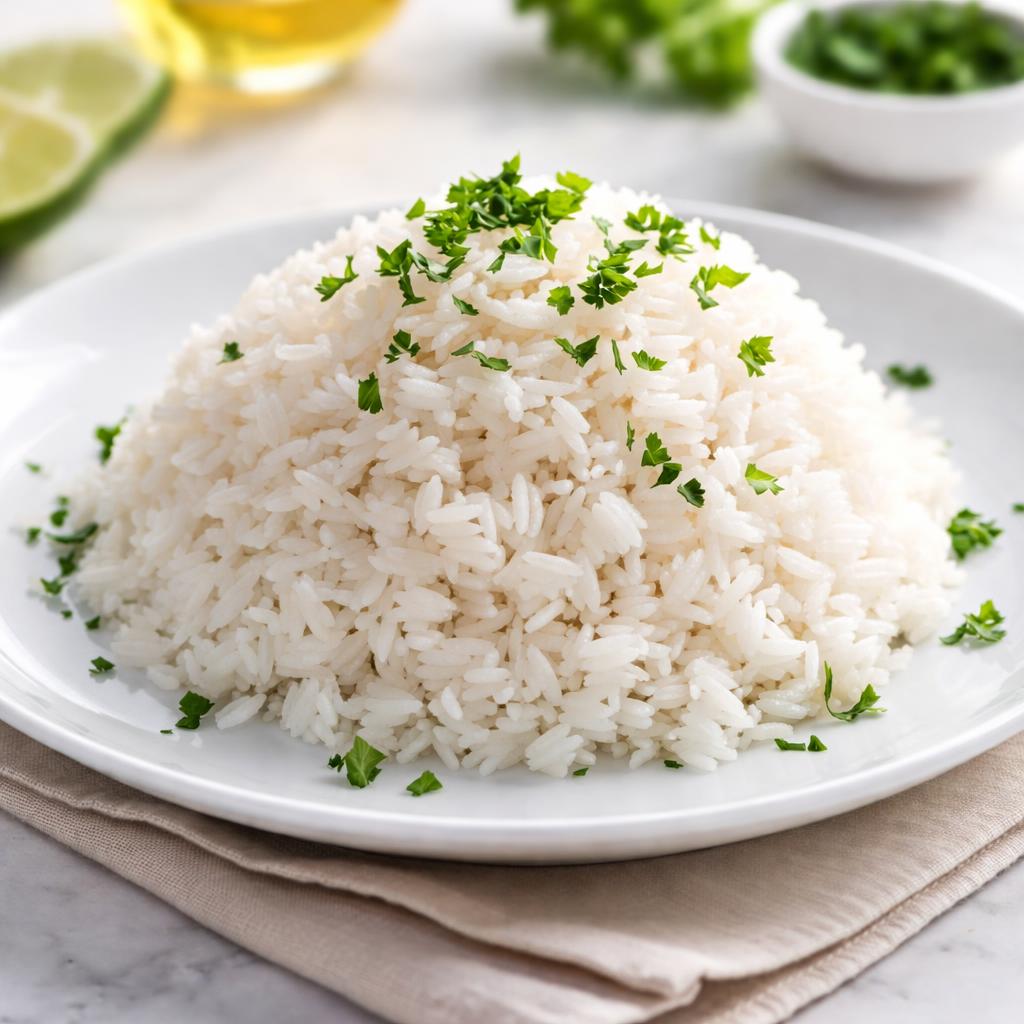
Rice
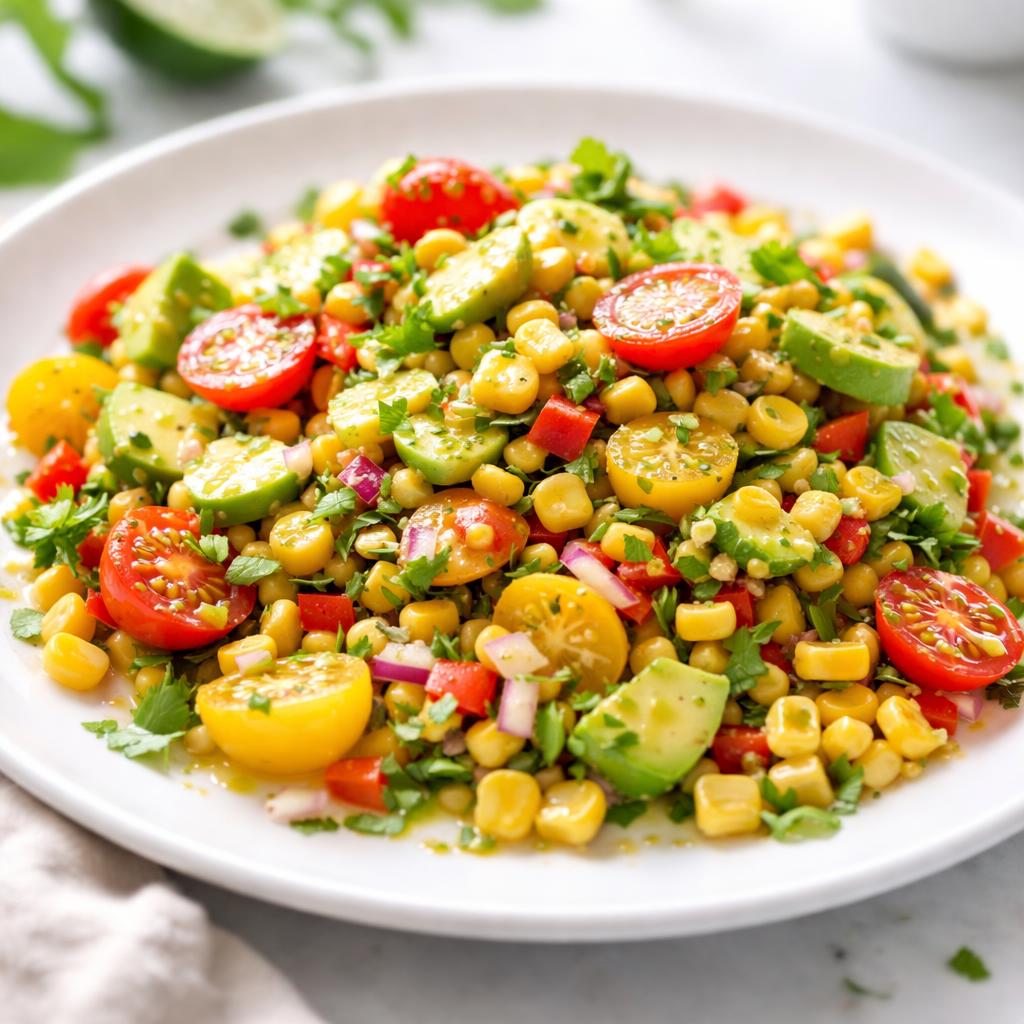
Corn Salad
🎯 Quick Verdict
Corn salad outperforms rice in terms of protein, fiber, and calories, making it a more nutrient-dense option. Rice, however, is higher in carbohydrates, providing more energy for high-intensity activities. Corn salad's lower calorie count and higher nutrient diversity make it ideal for health-conscious or weight-focused diets, while rice is a simple and versatile energy source suitable for athletic or general meal planning purposes.

Smart Nutrition Tracking with SnapCalorie

📊 Nutritional Comparison
Macronutrients
| Nutrient | Food 1 | Food 2 | Winner |
|---|---|---|---|
| Calories | 205 (1 cup cooked) | 140 (1 cup) | ✓ |
| Protein | 4.3g | 5g | ✓ |
| Carbs | 44.5g | 22g | ✓ |
| Fat | 0.4g | 5g | ✓ |
| Fiber | 0.6g | 4g | ✓ |
Vitamins & Minerals
| Nutrient | Food 1 | Food 2 | Winner |
|---|---|---|---|
| Vitamin C | 0mg | 22mg (24% DV) | ✓ |
| Vitamin A | 0mcg | 900mcg (100% DV) | ✓ |
| Calcium | 16mg | 40mg | ✓ |
| Iron | 1.9mg | 1mg | ✓ |
🏆 Category Winners
Protein
Corn salad contains slightly more protein (5g vs. 4.3g per serving).
Fiber
Corn salad has significantly more fiber (4g vs. 0.6g per serving), aiding digestion.
Calories
Corn salad is lower in calories (140 vs. 205 per serving).
🥗 Diet Compatibility
Keto
Food 1: Not Compatible
Food 2: Compatible
Corn salad is much lower in carbs compared to rice (22g vs. 44.5g).
Vegan
Food 1: Compatible
Food 2: Compatible
Both are plant-based foods suitable for vegan diets.
Gluten Free
Food 1: Compatible
Food 2: Compatible
Neither food contains gluten.
Paleo
Food 1: Not Fully Compatible
Food 2: Compatible
Rice is excluded in strict paleo diets, while corn salad fits paleo principles.
Low-Carb
Food 1: Not Compatible
Food 2: Compatible
Rice has more than double the carbs per serving compared to corn salad.
💪 Health Benefits Comparison
Food 1 Benefits
- Provides quick and sustained energy due to high carbohydrate content
- Low in fat, making it suitable for low-fat diets
- Gentle on digestion for sensitive stomachs
Food 2 Benefits
- Rich in fiber for digestive health
- Excellent source of vitamin C and A, boosting immunity and eye health
- Contains healthy fats to support heart health
✅ The Bottom Line
Choose rice for energy-intensive needs, athletic events, or as part of a traditional carb-heavy meal plan. Opt for corn salad when looking for a nutrient-dense, lower-calorie option that's high in fiber, vitamins, and healthy fats. Both foods serve different purposes in varied diets.
Choose Food 1 for: Energy replenishment, traditional cooking, carb-based diets
Choose Food 2 for: Weight management, nutritional balance, heart health


