Rice VS Chicken Wrap
A detailed nutritional comparison
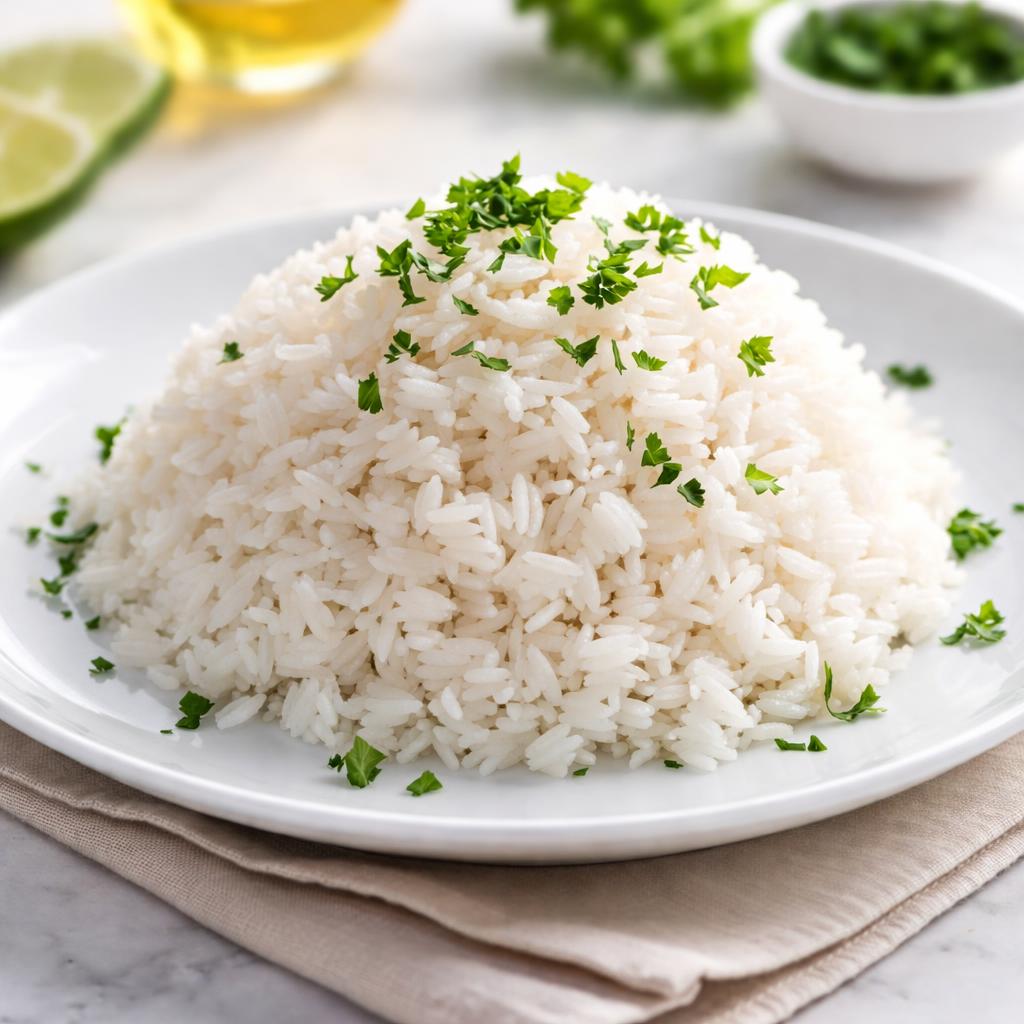
Rice
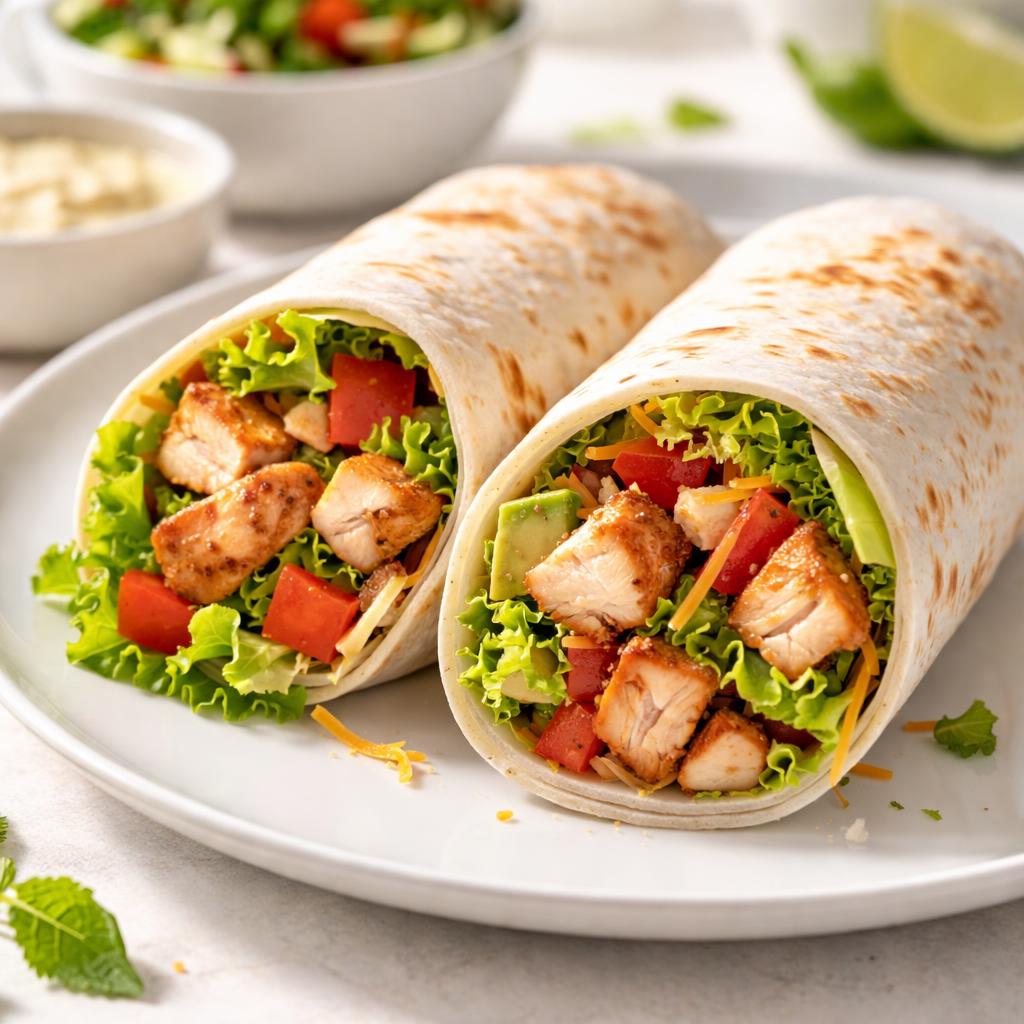
Chicken Wrap
🎯 Quick Verdict
Chicken wraps are a more nutritionally complete meal than rice, offering significantly higher protein and fiber per serving. Rice is lower in calories and carbohydrates, making it a better option for stricter calorie-controlled diets or as a versatile carbohydrate base. Both can complement different dietary goals depending on needs for nutrients and energy levels.

Smart Nutrition Tracking with SnapCalorie

📊 Nutritional Comparison
Macronutrients
| Nutrient | Food 1 | Food 2 | Winner |
|---|---|---|---|
| Calories | 206 (1 cup cooked) | 250 (1 wrap) | ✓ |
| Protein | 4g | 22g | ✓ |
| Carbs | 45g | 30g | ✓ |
| Fat | 0.4g | 7g | ✓ |
| Fiber | 0.6g | 6g | ✓ |
Vitamins & Minerals
| Nutrient | Food 1 | Food 2 | Winner |
|---|---|---|---|
| Vitamin D | 0mcg | 1.5mcg | ✓ |
| Calcium | 10mg | 100mg | ✓ |
| Iron | 0.5mg | 2mg | ✓ |
🏆 Category Winners
Protein
Food2, the chicken wrap, has 5.5x more protein per serving than rice.
Fiber
Food2 provides 10x more fiber than rice.
Calories
Rice has 18% fewer calories compared to a chicken wrap, which might suit stricter calorie control.
🥗 Diet Compatibility
Keto
Food 1: Not Compatible
Food 2: Not Compatible
Both foods are relatively high in carbohydrates and not suited for keto diets.
Vegan
Food 1: Compatible
Food 2: Not Compatible
Rice is plant-based, but chicken wrap contains meat.
Gluten Free
Food 1: Compatible
Food 2: Not Compatible
Rice is gluten-free, but wraps often contain gluten unless specified gluten-free.
Paleo
Food 1: Compatible
Food 2: Not Compatible
Rice aligns with paleo principles, but wraps with processed ingredients do not.
Low-Carb
Food 1: Not Compatible
Food 2: Partially Compatible
Chicken wraps can be modified for low-carb by using a low-carb tortilla; rice is high in carbohydrates by nature.
💪 Health Benefits Comparison
Food 1 Benefits
- Low in fat and naturally gluten-free
- Provides quick energy from carbohydrates
- Versatile, can be paired with nutrient-dense sides
Food 2 Benefits
- High in protein for muscle health and satiety
- Rich in fiber for digestion and gut health
- Contains essential minerals like iron and calcium
✅ The Bottom Line
Chicken wraps are a nutritionally complete and balanced meal with high protein and fiber content, making them ideal for muscle building, sustained energy, or satisfying meals. Rice is lower in calories and fat but much less nutrient-dense, serving best as a base with other nutrient-rich accompaniments. Choose rice for simplicity and calorie control; opt for chicken wraps for a ready-made filling and balanced food choice.
Choose Food 1 for: Low-calorie diets, gluten-free options, simple meals that require pairing with other foods
Choose Food 2 for: High-protein diets, active lifestyles requiring sustained energy, balanced ready-to-eat meals


