Rice VS Chicken Satay
A detailed nutritional comparison

Rice
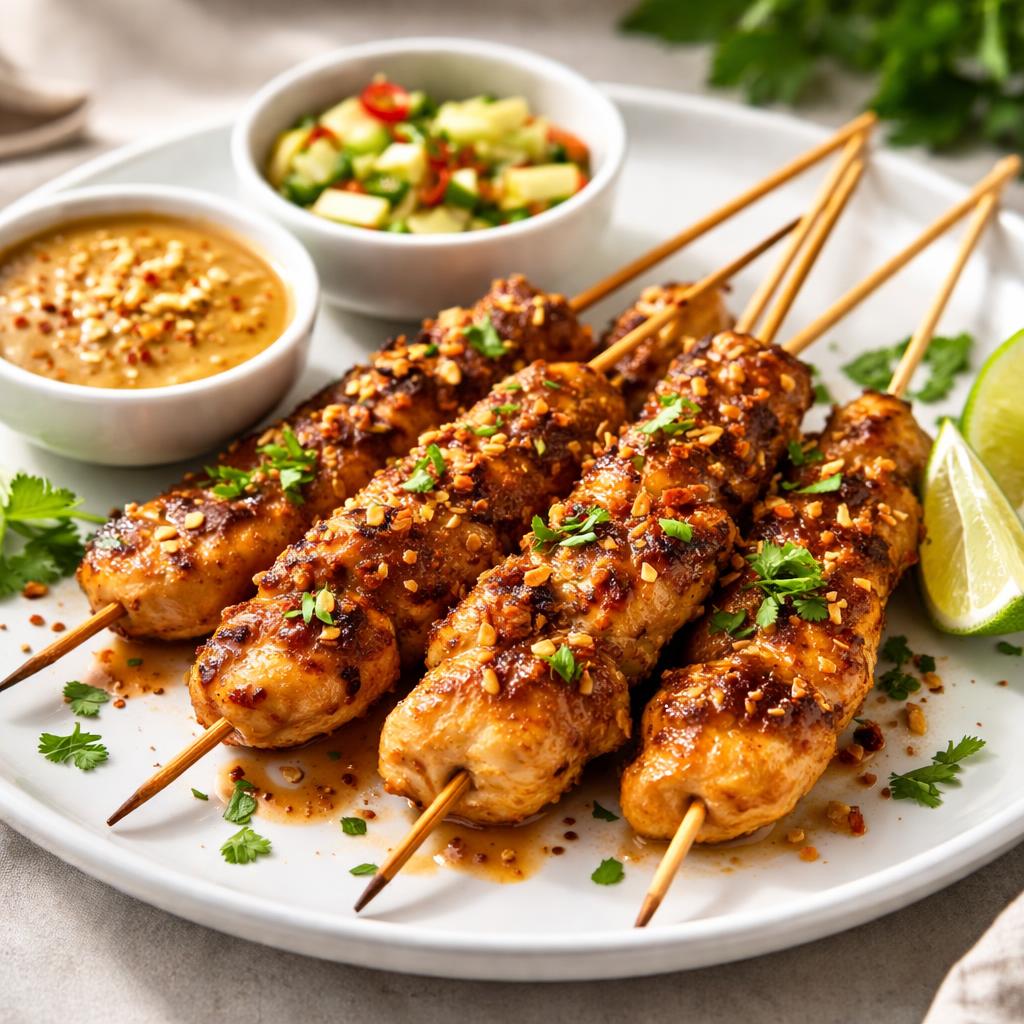
Chicken Satay
🎯 Quick Verdict
Chicken satay is significantly higher in protein and lower in carbohydrates compared to rice, making it a better option for muscle-building and keto diets. Rice, on the other hand, is low in calories and provides more fiber, making it suitable for quick energy needs and digestion support in plant-based meals.

Smart Nutrition Tracking with SnapCalorie

📊 Nutritional Comparison
Macronutrients
| Nutrient | Food 1 | Food 2 | Winner |
|---|---|---|---|
| Calories | 206 per cup (158g cooked) | 190 per skewer (100g) | ✓ |
| Protein | 4.3g | 25g | ✓ |
| Carbs | 45g | 6g | ✓ |
| Fat | 0.5g | 8g | ✓ |
| Fiber | 0.6g | 0g | ✓ |
Vitamins & Minerals
| Nutrient | Food 1 | Food 2 | Winner |
|---|---|---|---|
| Vitamin D | 0mcg | 6mcg | ✓ |
| Calcium | 10mg | 13mg | ✓ |
| Iron | 0.2mg | 1.3mg | ✓ |
🏆 Category Winners
Protein
Chicken satay has six times more protein than rice per serving.
Fiber
Rice provides 0.6g of fiber compared to zero fiber in chicken satay.
Calories
Chicken satay is slightly lower in calories per serving compared to rice.
Vitamins
Chicken satay contains notable levels of Vitamin D and iron, which rice lacks.
🥗 Diet Compatibility
Keto
Food 1: Not Compatible
Food 2: Compatible
Rice is high in carbs whereas chicken satay is low-carb and higher in fat.
Vegan
Food 1: Compatible
Food 2: Not Compatible
Rice is plant-based whereas chicken satay is animal-based.
Gluten Free
Food 1: Compatible
Food 2: Check Ingredients
Rice is naturally gluten-free; chicken satay may contain gluten in marinades.
Paleo
Food 1: Not Compatible
Food 2: Compatible
Rice is a grain and excluded in paleo diets, while chicken satay fits paleo criteria.
Low Carb
Food 1: Not Compatible
Food 2: Compatible
Rice is high-carb whereas chicken satay is low-carb at only 6g per serving.
💪 Health Benefits Comparison
Food 1 Benefits
- Provides quick-digesting energy from carbohydrates
- Low in fat and suitable for low-calorie meals
- Contains small amounts of fiber to support digestion
Food 2 Benefits
- Rich in protein to support muscle maintenance and repair
- Contains Vitamin D for bone health and immunity
- Provides iron, essential for oxygen transport in the body
✅ The Bottom Line
Rice is a better choice for energy and digestion support in plant-based meals, suited for vegetarians or vegans. Chicken satay is substantially higher in protein and aligns better with low-carb and muscle-focused diets. Always consider dietary needs and preferences before choosing between the two.
Choose Food 1 for: Quick energy, vegan diets, light meals
Choose Food 2 for: Muscle-building, low-carb/keto diets, high-protein meals


