Rice VS Chicken Parmesan
A detailed nutritional comparison
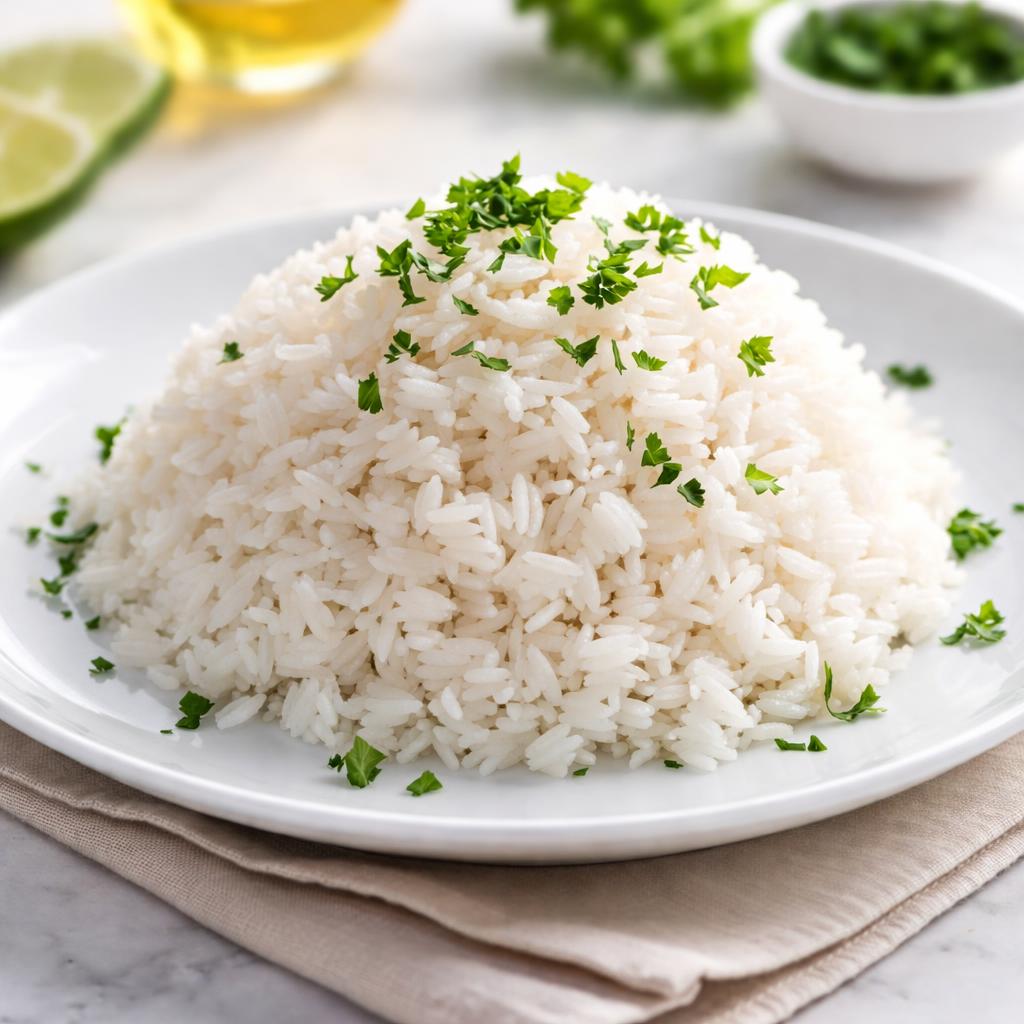
Rice
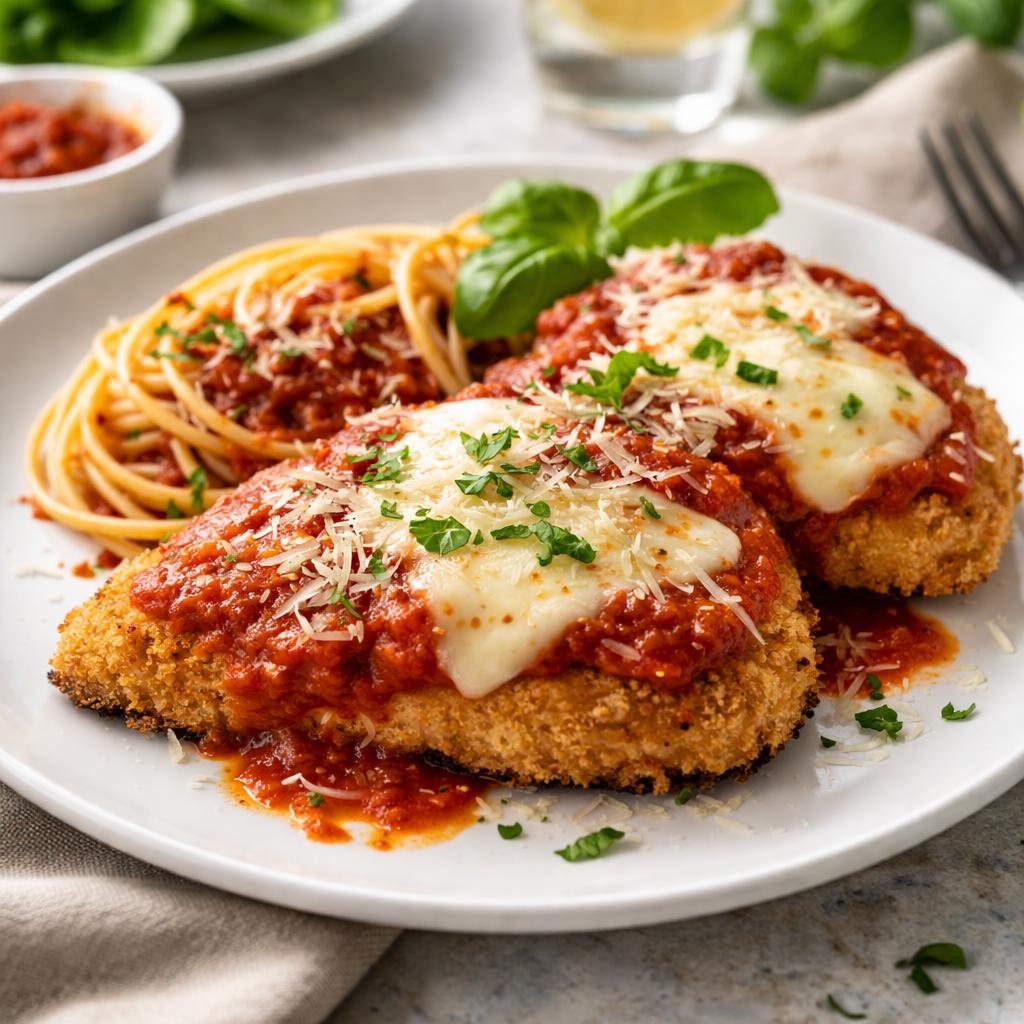
Chicken Parmesan
🎯 Quick Verdict
Chicken parmesan is nutritionally denser, providing high protein and essential vitamins, while rice is more calorie-conscious and rich in fiber. Choose rice for lighter meals or energy, and chicken parmesan for protein and balanced nutrition in a single dish.

Smart Nutrition Tracking with SnapCalorie

📊 Nutritional Comparison
Macronutrients
| Nutrient | Food 1 | Food 2 | Winner |
|---|---|---|---|
| Calories | 206 (1 cup cooked) | 340 (approx. 1 serving) | ✓ |
| Protein | 4.3g | 32g | ✓ |
| Carbs | 45g | 15g | ✓ |
| Fat | 0.4g | 21g | ✓ |
| Fiber | 0.6g | 0g | ✓ |
Vitamins & Minerals
| Nutrient | Food 1 | Food 2 | Winner |
|---|---|---|---|
| Vitamin D | 0mcg | 1.3mcg | ✓ |
| Calcium | 10mg | 280mg | ✓ |
| Iron | 0.2mg | 2mg | ✓ |
🏆 Category Winners
Protein
Chicken parmesan contains significantly more protein, making it ideal for muscle maintenance and post-workout recovery.
Fiber
Rice provides fiber while chicken parmesan contains none.
Calories
Rice has 40% fewer calories per serving, ideal for lighter meals.
🥗 Diet Compatibility
Keto
Food 1: Not Compatible
Food 2: Partially Compatible
Food1 is high in carbs; food2 is lower but not entirely keto-friendly due to breading and sauce.
Vegan
Food 1: Compatible
Food 2: Not Compatible
Rice is plant-based, while chicken parmesan contains animal products.
Gluten Free
Food 1: Compatible
Food 2: Not Compatible
Rice is naturally gluten-free; food2 often contains breadcrumbs.
Paleo
Food 1: Not Compatible
Food 2: Not Compatible
Food1 is a processed grain; food2 contains processed ingredients like breadcrumbs and cheese.
Low-Carb
Food 1: Not Compatible
Food 2: Partially Compatible
Rice is carb-heavy, while food2 has moderate carbs (15g).
💪 Health Benefits Comparison
Food 1 Benefits
- Provides energy from complex carbohydrates
- Low in fat for weight management
- Gluten-free and easy to digest
Food 2 Benefits
- Rich in protein for muscle building
- Good source of calcium for bone health
- Contains vitamin D for immune support
✅ The Bottom Line
Choose rice for simple, lighter meals or as a gluten-free carb option. Opt for chicken parmesan if you need a balanced, protein-rich dish for muscle health or a satisfying meal. Both foods excel in different contexts.
Choose Food 1 for: Quick carbs, light side dishes, vegan-friendly diets
Choose Food 2 for: High-protein meals, post-workout recovery, nutrient-dense meals


