Rice VS Chicken Legs
A detailed nutritional comparison
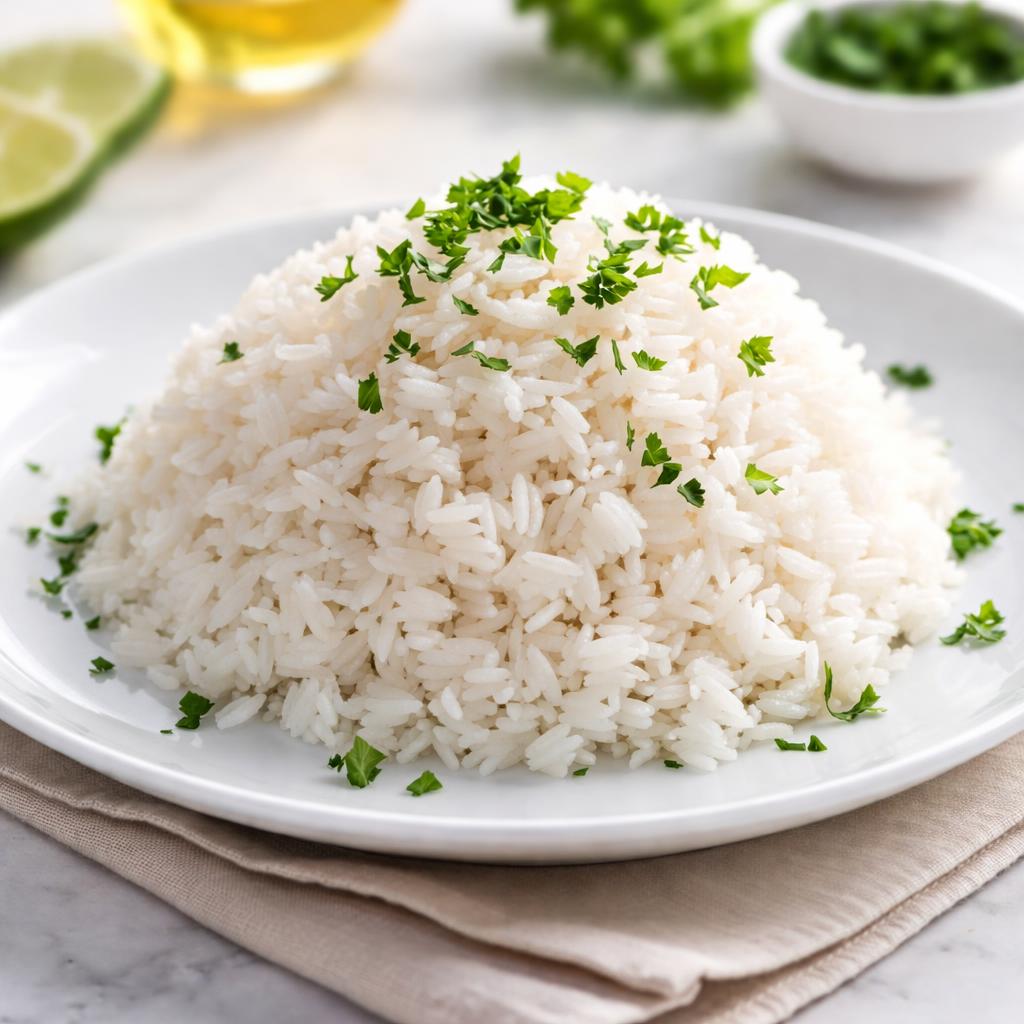
Rice

Chicken Legs
🎯 Quick Verdict
Chicken legs excel in protein content (27g per serving, compared to 2g in rice) and are significantly lower in calories than rice (165 calories vs 200 per serving). Rice is a better source of fiber (0.5g vs 0g in chicken) and provides more carbohydrates for energy needs. Chicken legs are ideal for high-protein diets, while rice is a versatile source of carbs for sustained energy.

Smart Nutrition Tracking with SnapCalorie

📊 Nutritional Comparison
Macronutrients
| Nutrient | Food 1 | Food 2 | Winner |
|---|---|---|---|
| Calories | 200 | 165 | ✓ |
| Protein | 2g | 27g | ✓ |
| Carbs | 45g | 0g | ✓ |
| Fat | 0.5g | 8g | ✓ |
| Fiber | 0.5g | 0g | ✓ |
Vitamins & Minerals
| Nutrient | Food 1 | Food 2 | Winner |
|---|---|---|---|
| Vitamin D | 0mcg | 1mcg | ✓ |
| Calcium | 10mg | 15mg | ✓ |
| Iron | 0.4mg | 0.8mg | ✓ |
🏆 Category Winners
Protein
Chicken legs provide 13 times more protein per serving compared to rice (27g vs 2g).
Fiber
Rice offers a small amount of fiber (0.5g), whereas chicken legs have none.
Calories
Chicken legs contain fewer calories per serving (165 vs 200), making them better for lower-calorie diets.
🥗 Diet Compatibility
Keto
Food 1: Not Compatible
Food 2: Compatible
Chicken legs are low-carb, while rice is high in carbs.
Vegan
Food 1: Compatible
Food 2: Not Compatible
Rice is plant-based, while chicken legs are animal-based.
Gluten Free
Food 1: Compatible
Food 2: Compatible
Neither food contains gluten.
Paleo
Food 1: Not Compatible
Food 2: Compatible
Chicken legs align with paleo dietary guidelines, while rice does not.
Low Carb
Food 1: Not Compatible
Food 2: Compatible
Chicken legs have 0g of carbs per serving, while rice contains 45g.
💪 Health Benefits Comparison
Food 1 Benefits
- Excellent source of carbohydrates for energy
- Low in fat for heart health
- Moderately fiber-rich for digestive health
Food 2 Benefits
- Rich in protein for muscle repair and growth
- Contains healthy fats, like monounsaturated fats for heart health
- Provides iron, supporting oxygen transport in the body
✅ The Bottom Line
Chicken legs are a high-protein, low-carb option ideal for those following keto, paleo, or low-calorie diets, especially for muscle-building goals. Rice, on the other hand, serves as a versatile carb source suitable for vegans, vegetarians, and anyone needing sustained energy. Both foods can complement each other in balanced diets.
Choose Food 1 for: Energy needs, vegan diets, fiber inclusion
Choose Food 2 for: High-protein diets, keto or paleo plans, muscle fitness


