Rice VS Cabbage Stir-Fry
A detailed nutritional comparison
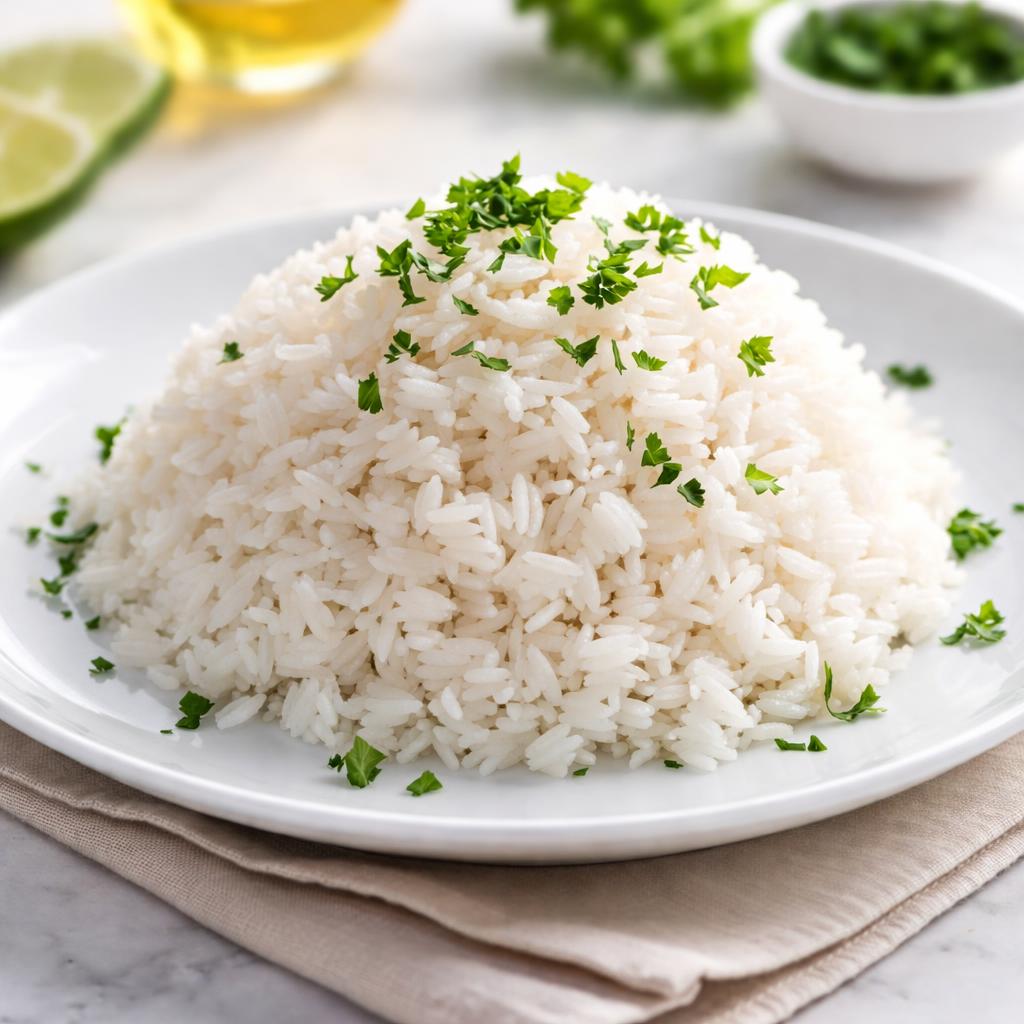
Rice
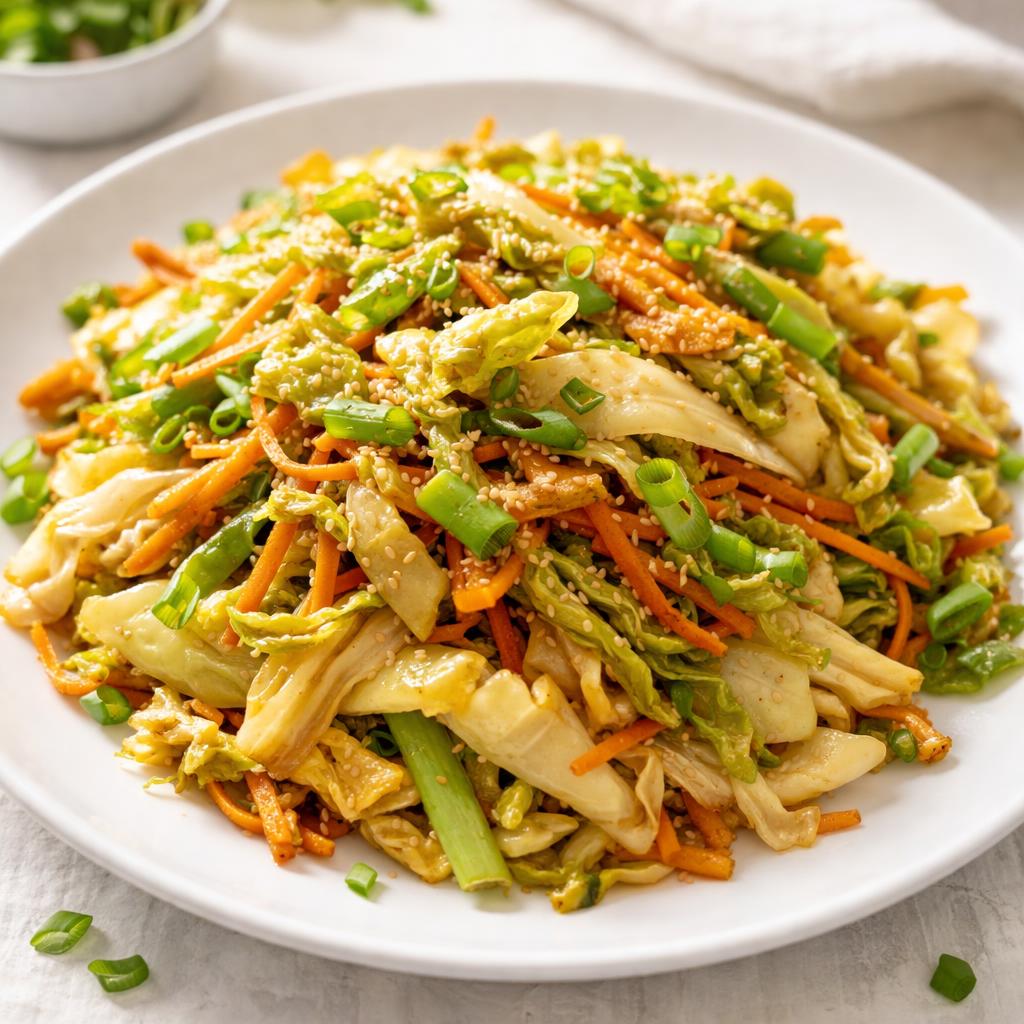
Cabbage Stir-Fry
🎯 Quick Verdict
Cabbage stir-fry and rice differ significantly in their nutritional profiles. Cabbage stir-fry is much lower in calories, carbs, and provides more dietary fiber, making it better suited for weight management and digestion. Rice is a simple energy-dense carbohydrate source, ideal for high-calorie meal contexts or sustained energy during physical activity.

Smart Nutrition Tracking with SnapCalorie

📊 Nutritional Comparison
Macronutrients
| Nutrient | Food 1 | Food 2 | Winner |
|---|---|---|---|
| Calories | 204 | 68 | − |
| Protein | 4g | 4g | − |
| Carbs | 45g | 12g | − |
| Fat | 0.5g | 2.5g | − |
| Fiber | 0.4g | 3g | − |
Vitamins & Minerals
| Nutrient | Food 1 | Food 2 | Winner |
|---|---|---|---|
| Vitamin C | 0mg | 15mg | − |
| Vitamin K | 0mcg | 75mcg | − |
| Potassium | 55mg | 150mg | − |
🏆 Category Winners
Protein
Both rice and cabbage stir-fry contain a similar amount of protein (~4g per serving).
Fiber
Cabbage stir-fry provides 650% more fiber, aiding digestion and satiety.
Calories
Cabbage stir-fry has 67% fewer calories compared to rice, ideal for calorie-conscious diets.
🥗 Diet Compatibility
Keto
Food 1: Not Compatible
Food 2: Partially Compatible
Rice is high-carb while cabbage stir-fry is low-carb and can fit in moderate keto plans.
Vegan
Food 1: Compatible
Food 2: Compatible
Both foods are plant-based.
Gluten Free
Food 1: Compatible
Food 2: Compatible
Neither rice nor cabbage stir-fry contains gluten.
Paleo
Food 1: Compatible
Food 2: Compatible
Both foods fit the paleo diet when cooked without additives like soy or processed oils.
Low-Carb
Food 1: Not Compatible
Food 2: Compatible
Cabbage stir-fry is low in carbs (12g per serving) compared to the high-carb content of rice.
💪 Health Benefits Comparison
Food 1 Benefits
- Quick source of energy for physical activity
- Easy to digest for sensitive stomachs
- Pairs well with a variety of nutrient-dense meal options
Food 2 Benefits
- Low-calorie, nutrient-dense for weight management
- High in fiber for improved digestion
- Rich in Vitamin C and K for overall immune and bone health
✅ The Bottom Line
Rice is most suitable for high-calorie meals or for those requiring sustained energy, such as athletes. On the other hand, cabbage stir-fry is better for low-calorie, nutrient-dense diets focusing on weight loss or improved digestion. Depending on your diet goals, either can play a role in balanced nutrition.
Choose Food 1 for: High-energy meals, athletes, post-workout refueling
Choose Food 2 for: Weight loss, digestion support, mineral-rich diets


