Rice VS Butternut Squash
A detailed nutritional comparison
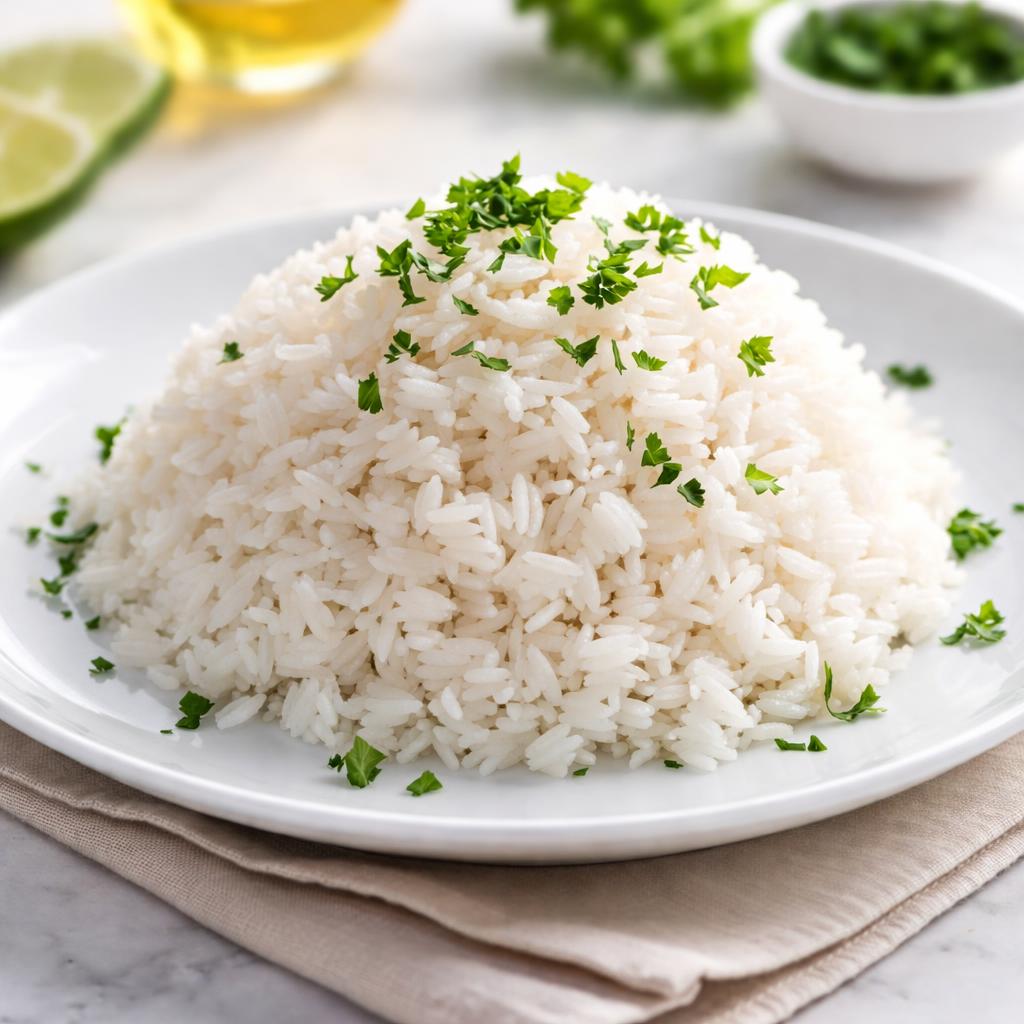
Rice
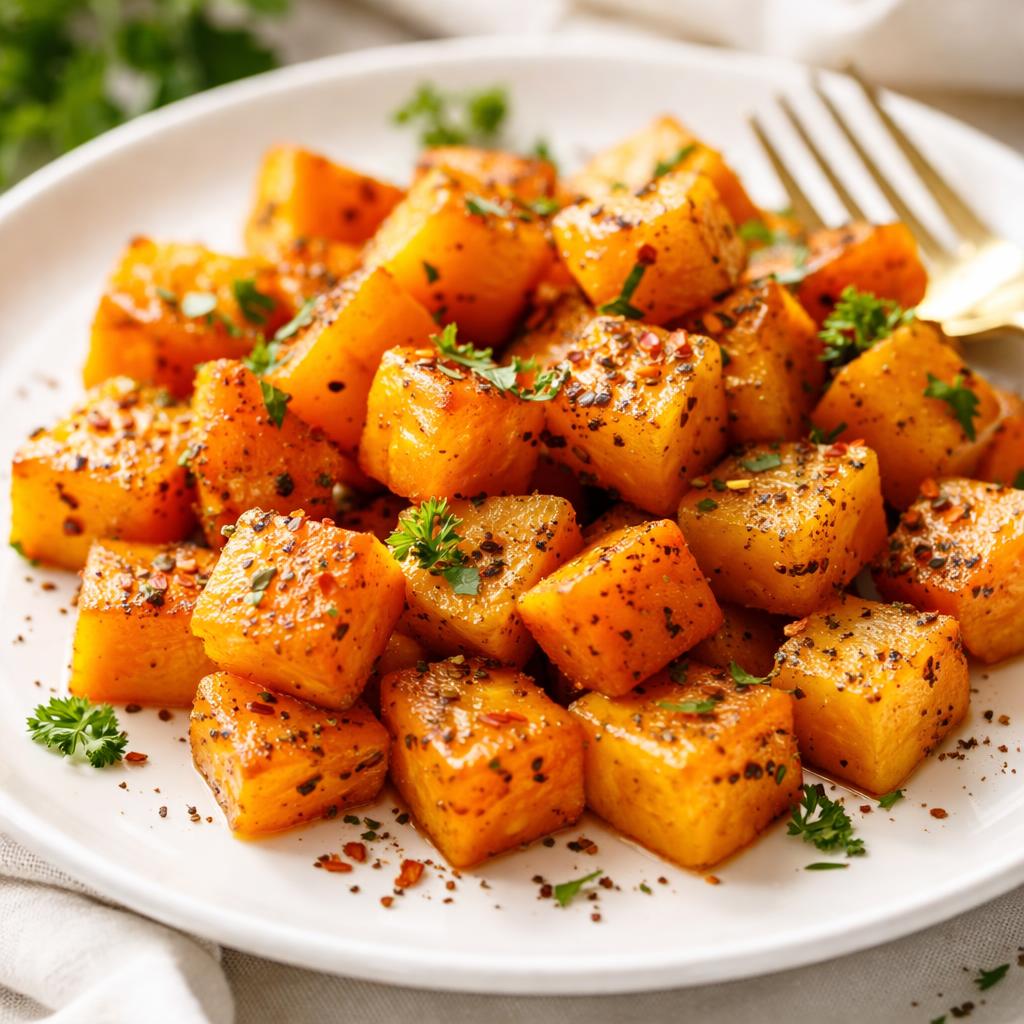
Butternut Squash
🎯 Quick Verdict
Rice is higher in protein and carbs, making it ideal for energy and muscle repair, whereas butternut squash is lower in calories, higher in fiber, and rich in vitamins like vitamin A. Food1 is great for fueling workouts while Food2 is suited for weight loss and nutrient-dense diets.

Smart Nutrition Tracking with SnapCalorie

📊 Nutritional Comparison
Macronutrients
| Nutrient | Food 1 | Food 2 | Winner |
|---|---|---|---|
| Calories | 206 per cup (cooked) | 82 per cup (cubed, cooked) | ✓ |
| Protein | 4.3g | 1.8g | ✓ |
| Carbs | 44g | 21g | ✓ |
| Fat | 0.4g | 0.1g | ✓ |
| Fiber | 0.6g | 6.6g | ✓ |
Vitamins & Minerals
| Nutrient | Food 1 | Food 2 | Winner |
|---|---|---|---|
| Vitamin A | 0 IU | 22,000 IU (over 450% DV) | ✓ |
| Vitamin C | 0mg | 31mg (34% DV) | ✓ |
| Potassium | 55mg | 582mg (12% DV) | ✓ |
🏆 Category Winners
Protein
Rice provides over double the protein content per serving compared to butternut squash.
Fiber
Butternut squash has 10 times more fiber than rice, aiding digestion.
Calories
Butternut squash is significantly lower in calories, offering ideal use in weight management.
Vitamins
Butternut squash is abundantly rich in vitamin A (nearly 450% of the DV) and vitamin C.
🥗 Diet Compatibility
Keto
Food 1: Not Compatible
Food 2: Not Compatible
Both foods are high in carbs, making them unsuitable for a keto diet.
Vegan
Food 1: Compatible
Food 2: Compatible
Both are plant-based and vegan-friendly.
Gluten Free
Food 1: Compatible
Food 2: Compatible
Neither food contains gluten.
Paleo
Food 1: Not Compatible
Food 2: Compatible
Rice is excluded from the paleo diet, but butternut squash fits paleo guidelines as a starchy vegetable.
Low-Carb
Food 1: Not Compatible
Food 2: Partially Compatible
Food1 is too high in carbs, while food2 has moderate carb levels that may be suitable for some low-carb diets.
💪 Health Benefits Comparison
Food 1 Benefits
- Provides quick energy due to its high carb content
- Contains trace amounts of B vitamins for energy metabolism
- Low-fat content makes it a lean carbohydrate source
Food 2 Benefits
- High in fiber for improved digestion and gut health
- Rich in Vitamin A for eye health and immune function
- Contains antioxidant Vitamin C for skin health and immunity
- Low calorie, making it ideal for weight loss diets
✅ The Bottom Line
Choose rice when you need quick energy for workouts or a carb source to complement protein-heavy meals. Opt for butternut squash for weight loss, enhanced digestion, and increased nutrient intake like vitamin A and fiber.
Choose Food 1 for: High-energy diets, post-workout meals, balanced carb source
Choose Food 2 for: Weight management, nutrient-dense meal plans, digestion support


