Rice VS Buttermilk
A detailed nutritional comparison
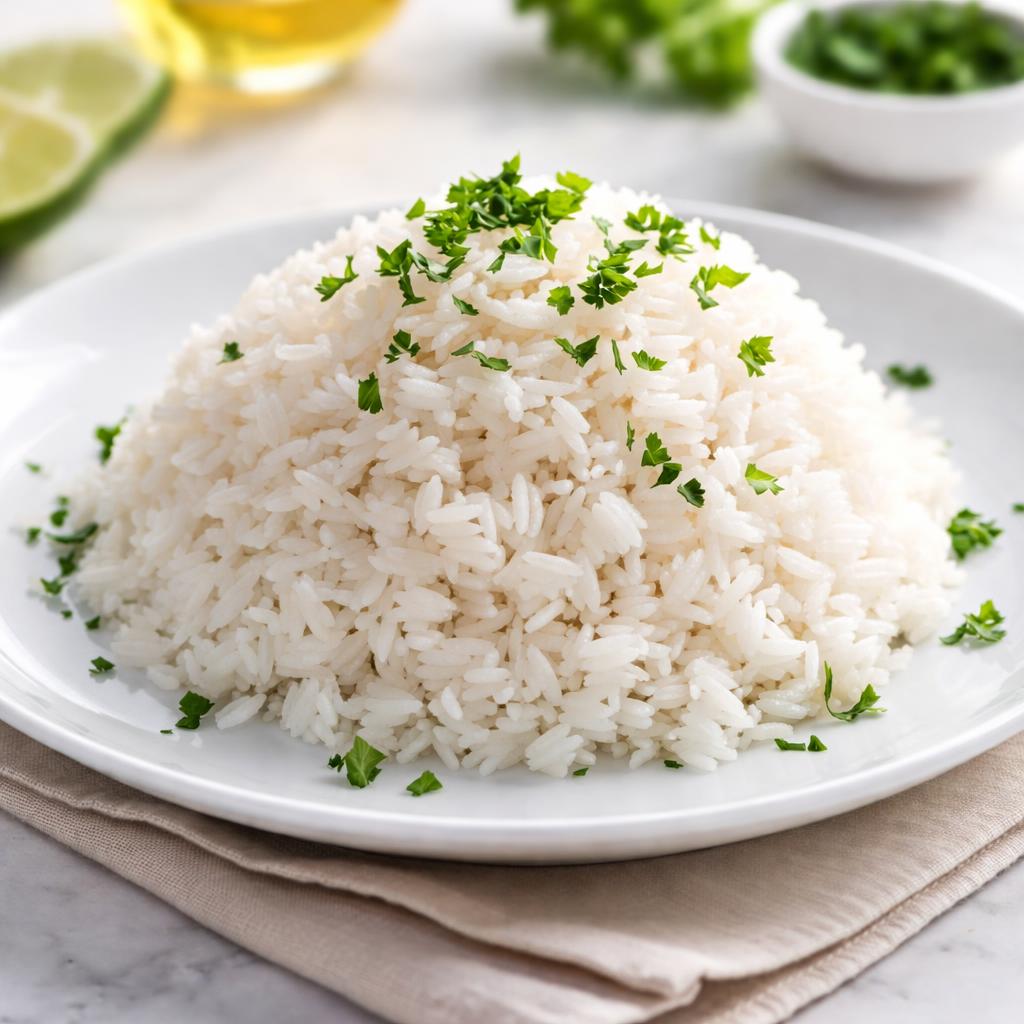
Rice
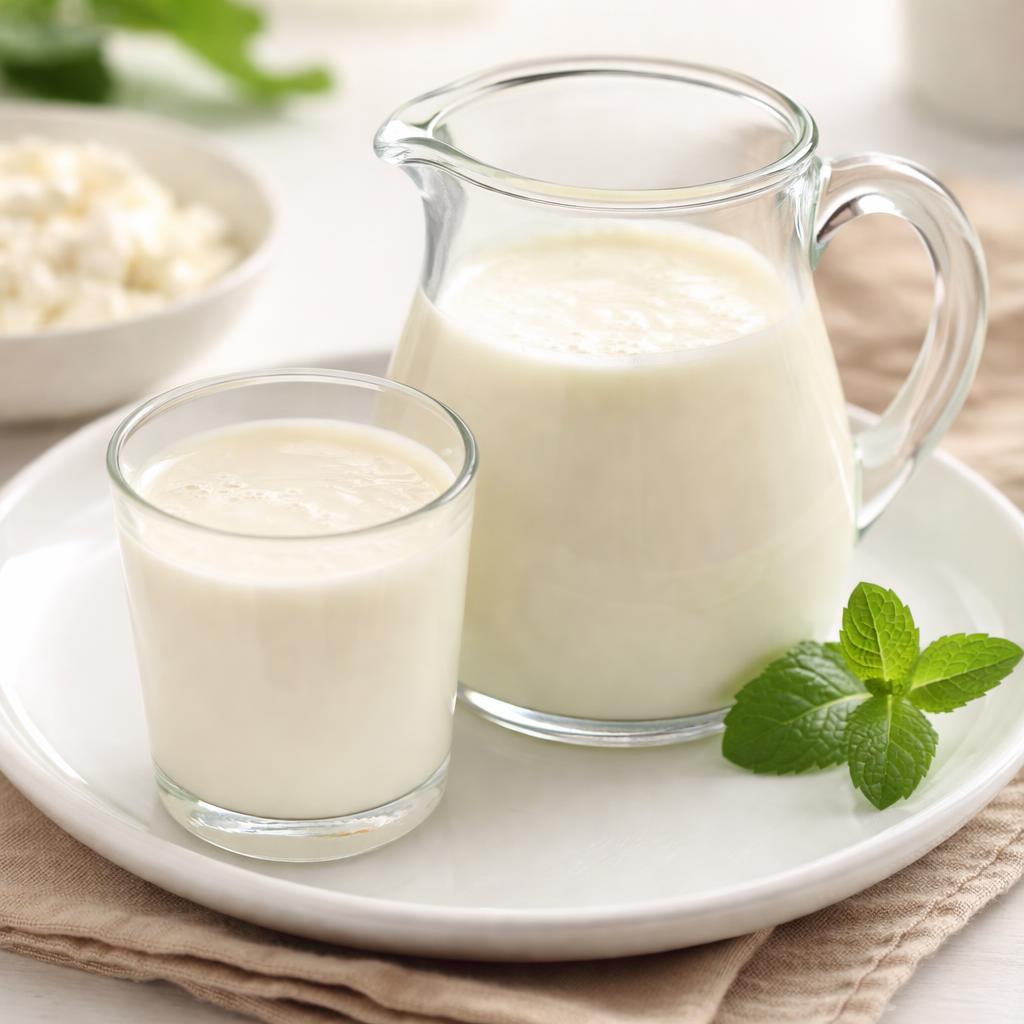
Buttermilk
🎯 Quick Verdict
Rice and buttermilk complement different dietary needs. Rice is higher in fiber and carbohydrates, making it a good energy source, while buttermilk is rich in protein and lower in calories, suitable for light meals or recovery drinks. Rice is ideal for active lifestyles requiring sustained energy, while buttermilk offers hydration and digestion support with probiotics.

Smart Nutrition Tracking with SnapCalorie

📊 Nutritional Comparison
Macronutrients
| Nutrient | Food 1 | Food 2 | Winner |
|---|---|---|---|
| Calories | 130 kcal per 100g (cooked) | 40 kcal per 100ml | ✓ |
| Protein | 2.7g per 100g | 3g per 100ml | ✓ |
| Carbs | 28.2g per 100g | 4.7g per 100ml | ✓ |
| Fat | 0.3g per 100g | 0.7g per 100ml | − |
| Fiber | 0.9g per 100g | 0g per 100ml | ✓ |
Vitamins & Minerals
| Nutrient | Food 1 | Food 2 | Winner |
|---|---|---|---|
| Calcium | 10mg per 100g | 120mg per 100ml | ✓ |
| Vitamin D | 0mcg per 100g | 0.1mcg per 100ml | ✓ |
| Vitamin B12 | 0mcg per 100g | 0.4mcg per 100ml | ✓ |
🏆 Category Winners
Protein
Buttermilk has slightly more protein per serving (3g vs 2.7g for rice).
Fiber
Rice contains fiber (0.9g per 100g) while buttermilk has none.
Calories
Buttermilk has 70% fewer calories per serving compared to rice.
Vitamins
Buttermilk is rich in calcium and provides vitamin D and B12, which rice lacks.
🥗 Diet Compatibility
Keto
Food 1: Not Compatible
Food 2: Compatible
Rice is high in carbs, while buttermilk fits low-carb criteria.
Vegan
Food 1: Compatible
Food 2: Not Compatible
Rice is plant-based; buttermilk is dairy-based.
Gluten Free
Food 1: Compatible
Food 2: Compatible
Neither contains gluten, suitable for celiac diets.
Paleo
Food 1: Not Compatible
Food 2: Not Compatible
Rice is considered a grain, while buttermilk is dairy, neither suitable for paleo diets.
Low-Carb
Food 1: Not Compatible
Food 2: Compatible
Rice is a high-carb food (28.2g per 100g); buttermilk is significantly lower (4.7g per 100ml).
💪 Health Benefits Comparison
Food 1 Benefits
- Provides sustained energy with complex carbs
- Contains fiber to support digestive health
- Low in fat and gluten-free, suitable for sensitive diets
Food 2 Benefits
- Rich in protein for muscle repair and rebuilding
- Good source of calcium and vitamin D for bone health
- Contains probiotics for gut and digestive health
✅ The Bottom Line
Rice and buttermilk serve different roles in a balanced diet. Choose rice for energy-intensive activities or meals requiring a carbohydrate source. Opt for buttermilk for light hydration, protein, and digestion support post-workout or as a refreshing addition to meals.
Choose Food 1 for: High energy needs, carb-loading, meal staples
Choose Food 2 for: Low-calorie diets, digestive health, post-workout hydration


