Rice VS Black Olives
A detailed nutritional comparison

Rice
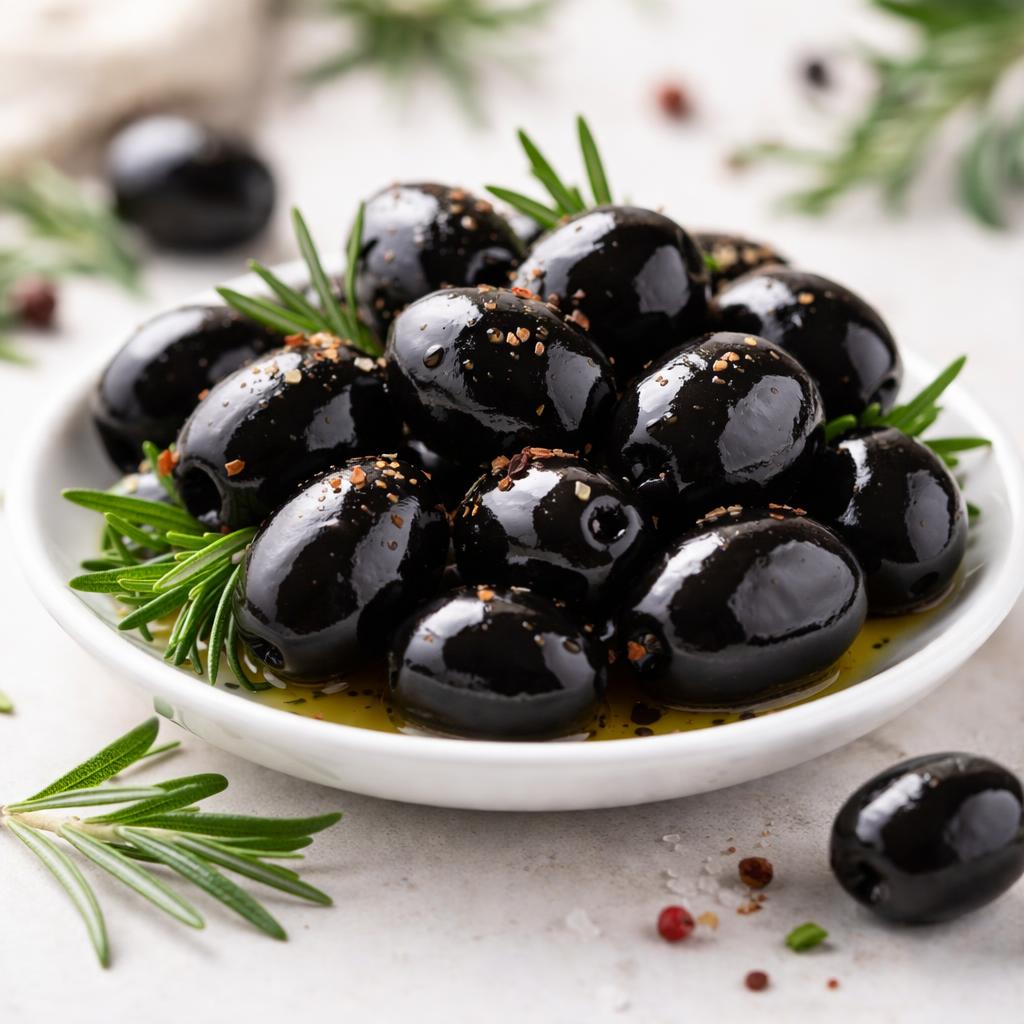
Black Olives
🎯 Quick Verdict
Rice and black olives serve very different dietary purposes. Rice is a higher-carb, energy-dense staple, ideal for fueling activities and bulking meals. Black olives are lower in calories, rich in healthy fats, and contain notable levels of fiber and antioxidants, making them better suited for weight management and heart health-oriented diets.

Smart Nutrition Tracking with SnapCalorie

📊 Nutritional Comparison
Macronutrients
| Nutrient | Food 1 | Food 2 | Winner |
|---|---|---|---|
| Calories | 206 (1 cup cooked) | 115 (1 cup, sliced) | ✓ |
| Protein | 4.3g | 0.8g | ✓ |
| Carbs | 45g | 6g | ✓ |
| Fat | 0.5g | 11g | ✓ |
| Fiber | 0.6g | 3.2g | ✓ |
Vitamins & Minerals
| Nutrient | Food 1 | Food 2 | Winner |
|---|---|---|---|
| Vitamin D | 0mcg | 0.22mcg | ✓ |
| Calcium | 24mg | 77mg | ✓ |
| Iron | 0.4mg | 3.3mg | ✓ |
🏆 Category Winners
Protein
Rice contains over 5x the protein of black olives per serving.
Fiber
Black olives contain over 5x more fiber than rice per equivalent serving.
Calories
Black olives have roughly half the calories of rice per serving.
🥗 Diet Compatibility
Keto
Food 1: Not Compatible
Food 2: Compatible
Black olives are low-carb and high-fat, suitable for ketogenic diets.
Vegan
Food 1: Compatible
Food 2: Compatible
Both foods are plant-based and vegan-friendly.
Gluten Free
Food 1: Compatible
Food 2: Compatible
Neither food contains gluten.
Paleo
Food 1: Not Fully Compatible
Food 2: Compatible
Rice is excluded from strict paleo diets, but black olives align with paleo principles.
Low Carb
Food 1: Not Compatible
Food 2: Compatible
Rice is high in carbohydrates, while black olives have minimal carbs.
💪 Health Benefits Comparison
Food 1 Benefits
- Provides sustained energy due to high carbohydrate content
- Low in fat and sodium, making it heart-healthy when eaten in moderation
- Serves as a versatile base for high-protein or nutrient-rich meals
Food 2 Benefits
- Rich in healthy monounsaturated fats for heart health and cholesterol regulation
- Contains antioxidants that help reduce inflammation
- Provides a good amount of dietary fiber for digestion
✅ The Bottom Line
Choose rice for energy-dense meals or a versatile base that complements high-protein dishes. Opt for black olives when seeking healthy fats, fiber, and fewer calories for heart health and snacking purposes. They cater to different dietary needs, but each excels in their own niche.
Choose Food 1 for: High-energy diets, post-exercise carb replenishment, meal versatility
Choose Food 2 for: Keto dieting, heart health, weight management, antioxidant intake


