Rice VS Arroz
A detailed nutritional comparison
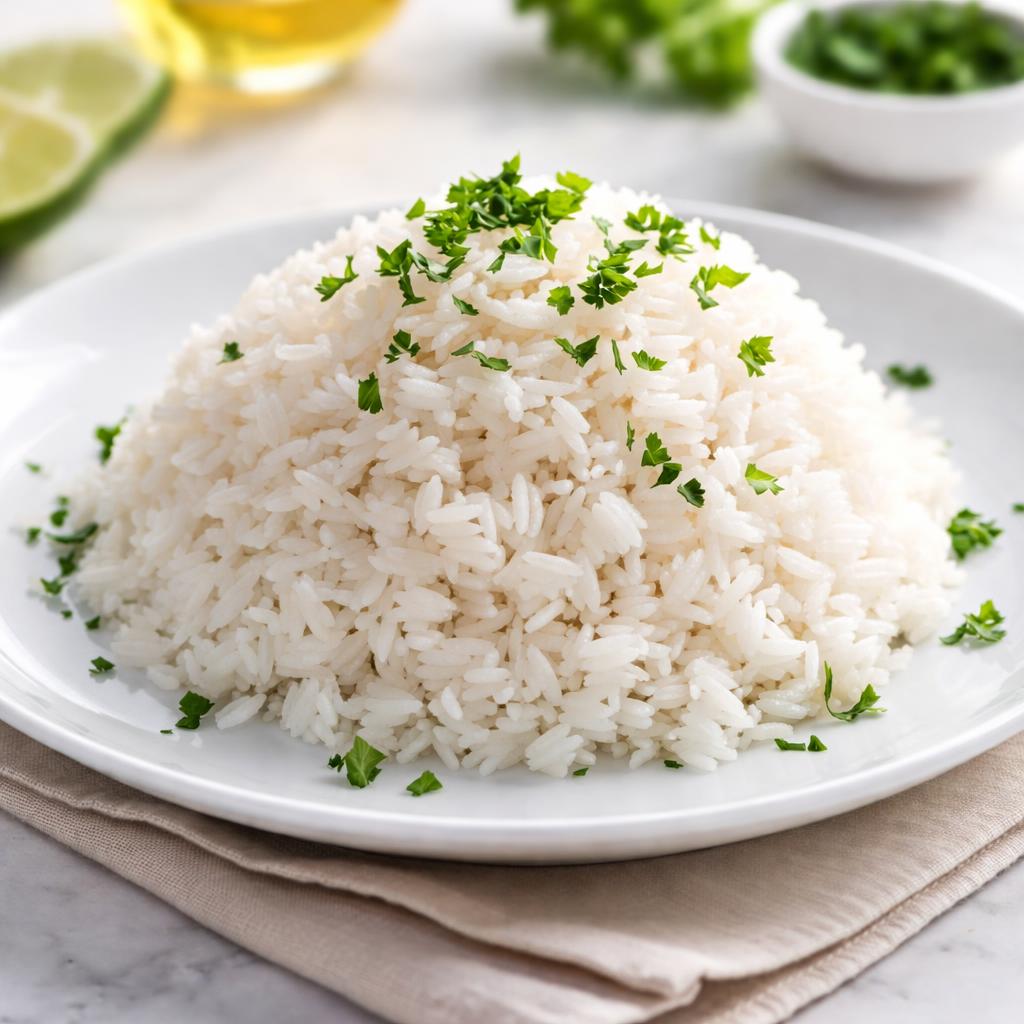
Rice
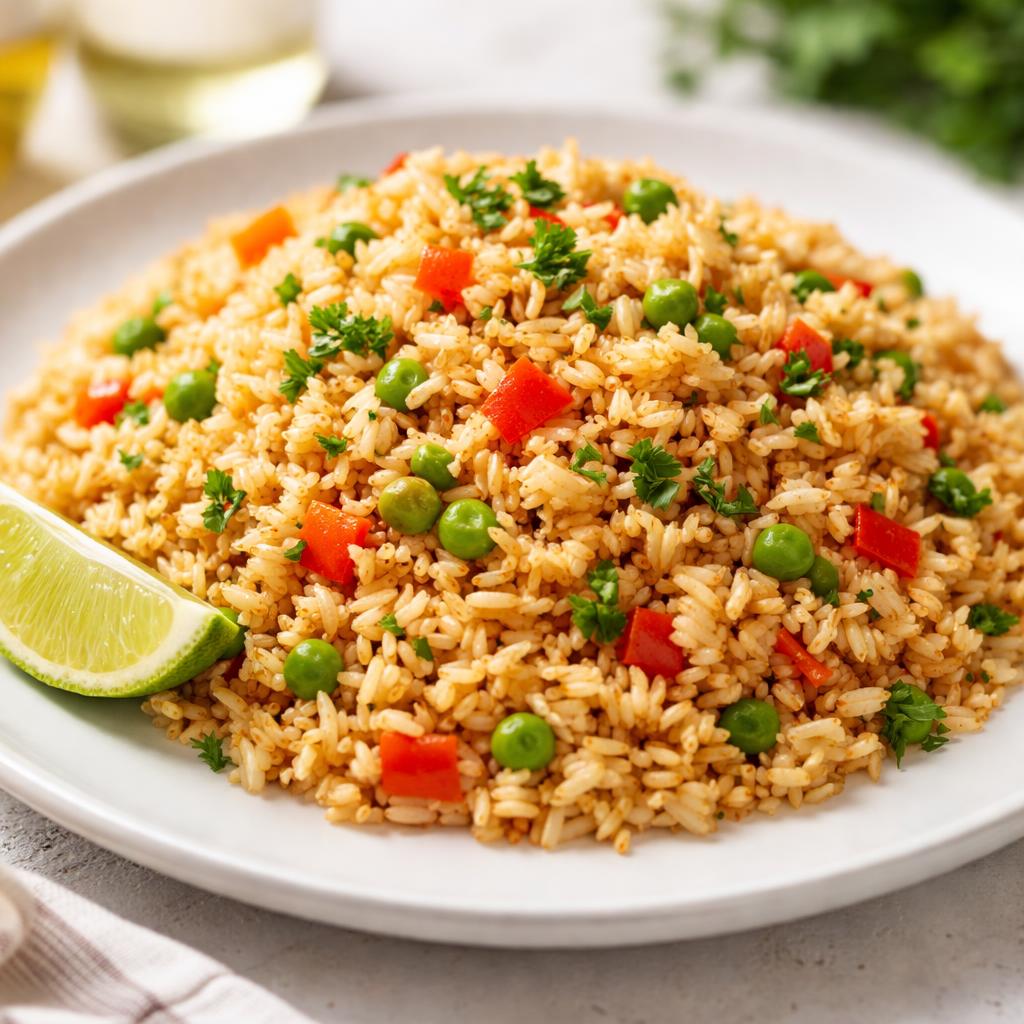
Arroz
🎯 Quick Verdict
Rice and arroz are the same food, as 'arroz' is simply the Spanish word for rice. Nutritional values are identical across all categories unless contextually referring to differently cooked or processed versions of rice. Use cases for this food remain consistent worldwide, providing energy and essential nutrients as a staple in many diets.

Smart Nutrition Tracking with SnapCalorie

📊 Nutritional Comparison
Macronutrients
| Nutrient | Food 1 | Food 2 | Winner |
|---|---|---|---|
| Calories | 130 | 130 | − |
| Protein | 2.7g | 2.7g | − |
| Carbs | 28g | 28g | − |
| Fat | 0.3g | 0.3g | − |
| Fiber | 0.4g | 0.4g | − |
Vitamins & Minerals
| Nutrient | Food 1 | Food 2 | Winner |
|---|---|---|---|
| Vitamin D | 0mcg | 0mcg | − |
| Calcium | 10mg | 10mg | − |
| Iron | 0.2mg | 0.2mg | − |
🏆 Category Winners
Protein
Both foods contain identical protein content per serving.
Fiber
Both foods provide equal amounts of fiber.
Calories
Both foods have the same calorie count.
Vitamins
Both foods offer similar vitamin and mineral profiles.
🥗 Diet Compatibility
Keto
Food 1: Not Compatible
Food 2: Not Compatible
Both are high-carb foods, unsuitable for keto diets.
Vegan
Food 1: Compatible
Food 2: Compatible
Both foods are plant-based and vegan-friendly.
Gluten Free
Food 1: Compatible
Food 2: Compatible
Neither contains gluten, making them safe for gluten-free diets.
Paleo
Food 1: Compatible
Food 2: Compatible
Rice is generally considered paleo-friendly in modern interpretations of the diet.
Low-Carb
Food 1: Not Compatible
Food 2: Not Compatible
As high-carb foods, neither is ideal for low-carb diets.
💪 Health Benefits Comparison
Food 1 Benefits
- Great source of carbohydrates for energy
- Low in fat for heart health
- Gluten-free, suitable for those with gluten sensitivities
Food 2 Benefits
- Provides sustained energy for active individuals
- Versatile base ingredient for balanced meals
- Easy to digest, suitable for recovery and sensitive stomachs
✅ The Bottom Line
Rice and arroz are nutritionally identical. Both are excellent sources of energy and very versatile in various cuisines. Choose them for meals requiring a neutral base or a quick carbohydrate source.
Choose Food 1 for: Staple foods, energy support, gluten sensitivities
Choose Food 2 for: Balanced meals, diverse cuisines, digestibility


