Rice VS Arabic Bread
A detailed nutritional comparison
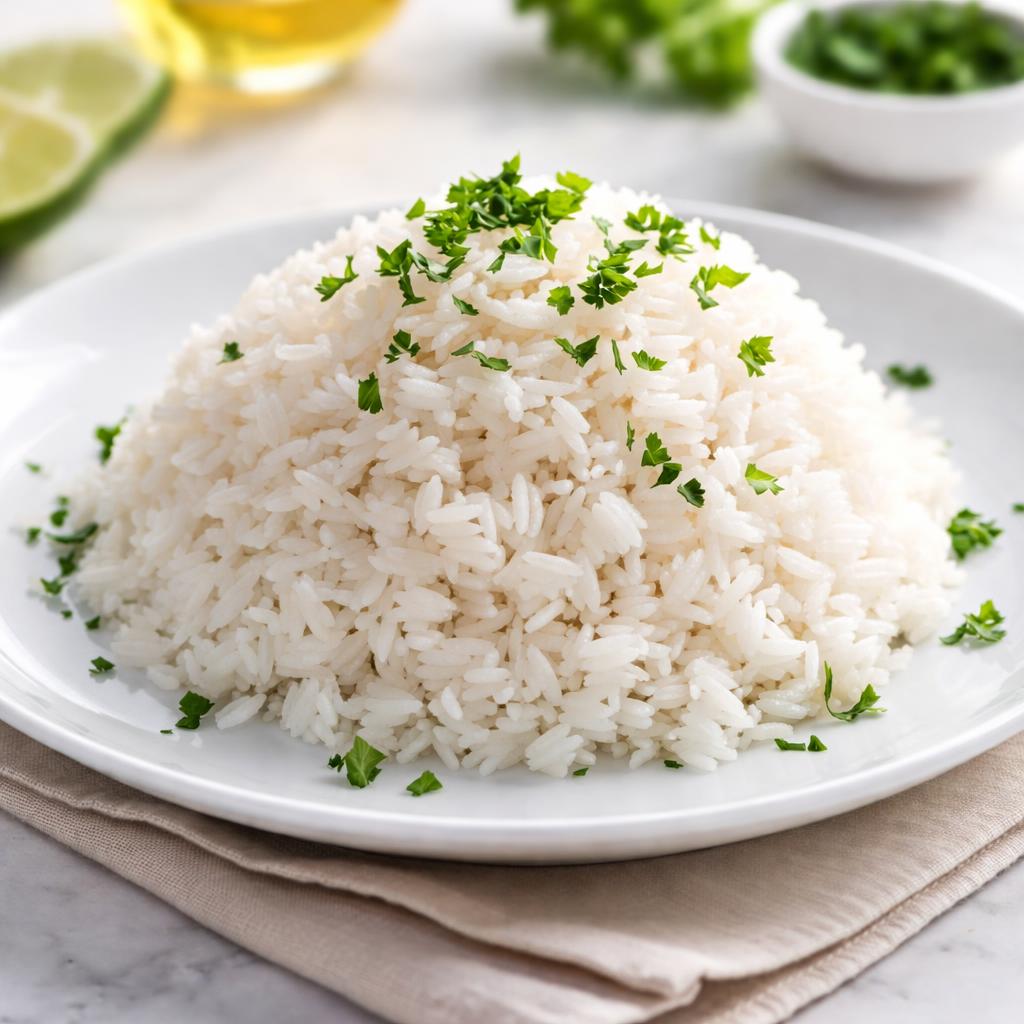
Rice
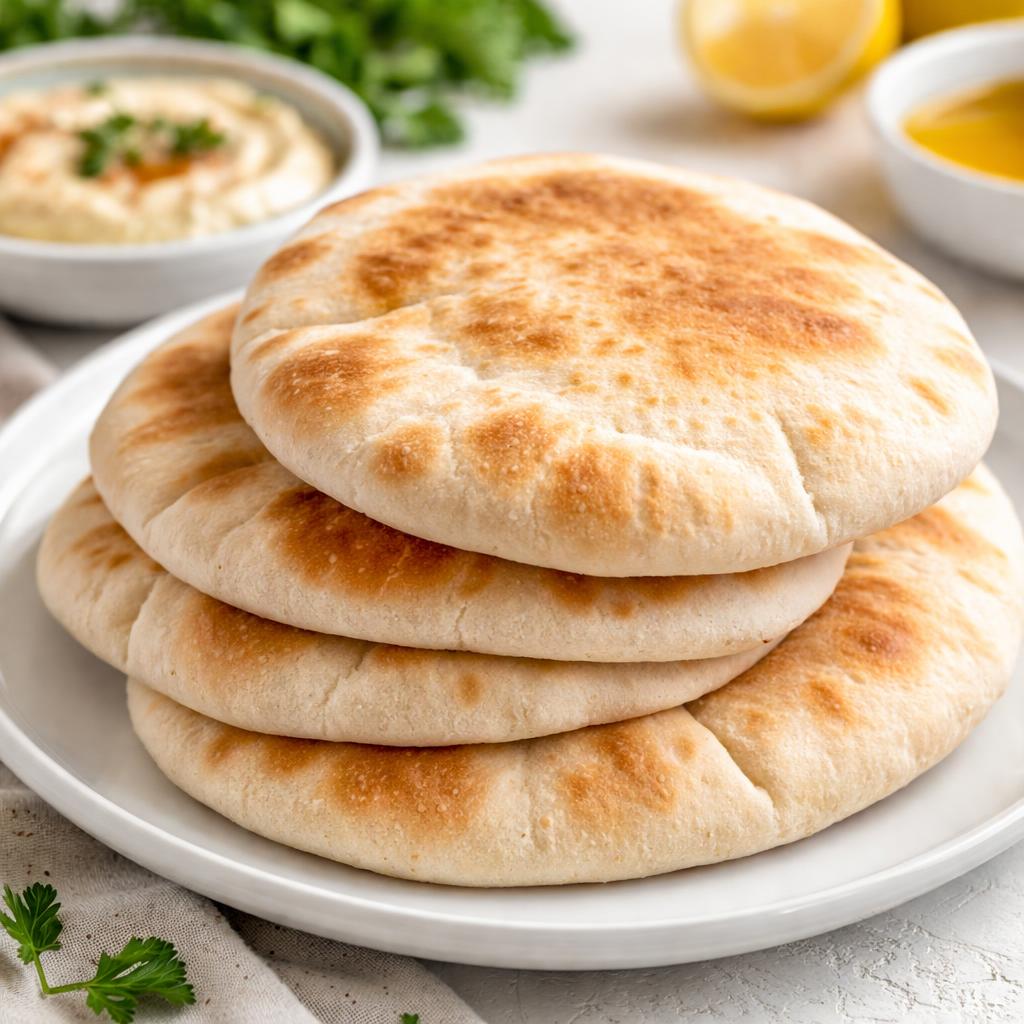
Arabic Bread
🎯 Quick Verdict
Arabic bread generally provides more protein and fiber per serving, making it a more nutrient-dense choice. Rice, on the other hand, is lower in calories and offers a gluten-free option, which makes it ideal for specific dietary needs. Both foods serve different roles in a balanced diet, based on macronutrient requirements and dietary restrictions.

Smart Nutrition Tracking with SnapCalorie

📊 Nutritional Comparison
Macronutrients
| Nutrient | Food 1 | Food 2 | Winner |
|---|---|---|---|
| Calories | 130 | 170 | ✓ |
| Protein | 2g | 6g | ✓ |
| Carbs | 28g | 35g | ✓ |
| Fat | 0g | 1.5g | ✓ |
| Fiber | 0.5g | 1.5g | ✓ |
Vitamins & Minerals
| Nutrient | Food 1 | Food 2 | Winner |
|---|---|---|---|
| Vitamin D | 0mcg | 0mcg | − |
| Calcium | 10mg | 30mg | ✓ |
| Iron | 0.1mg | 1mg | ✓ |
🏆 Category Winners
Protein
Arabic bread contains three times more protein per serving than rice.
Fiber
Arabic bread has three times the fiber content compared to rice.
Calories
Rice is lower in calories by 40 per serving.
Vitamins
Arabic bread provides more calcium and iron than rice.
🥗 Diet Compatibility
Keto
Food 1: Not Compatible
Food 2: Not Compatible
Both foods are high in carbohydrates.
Vegan
Food 1: Compatible
Food 2: Compatible
Both are plant-based and suitable for vegan diets.
Gluten Free
Food 1: Compatible
Food 2: Not Compatible
Rice is naturally gluten-free, while Arabic bread typically contains wheat.
Paleo
Food 1: Compatible
Food 2: Not Compatible
Rice is suitable for certain forms of the paleo diet, whereas bread is not considered paleo.
Low Carb
Food 1: Not Compatible
Food 2: Not Compatible
Both foods contain high levels of carbohydrates.
💪 Health Benefits Comparison
Food 1 Benefits
- Low in calories for weight management
- Naturally gluten-free for sensitive diets
- Provides quick energy from carbohydrates
Food 2 Benefits
- Rich in protein for muscle maintenance
- Contains fiber for digestive health
- Higher calcium and iron content for bone and blood health
✅ The Bottom Line
Rice is a great choice for those seeking lower calorie options or gluten-free diets, while Arabic bread provides higher protein and fiber, making it ideal for more nutrient-dense meals. The best option depends on dietary priorities and individual nutrition needs.
Choose Food 1 for: Weight loss, gluten-free diets, quick energy needs
Choose Food 2 for: High protein diets, increased fiber intake, nutrient density


