Rice VS Apricot
A detailed nutritional comparison
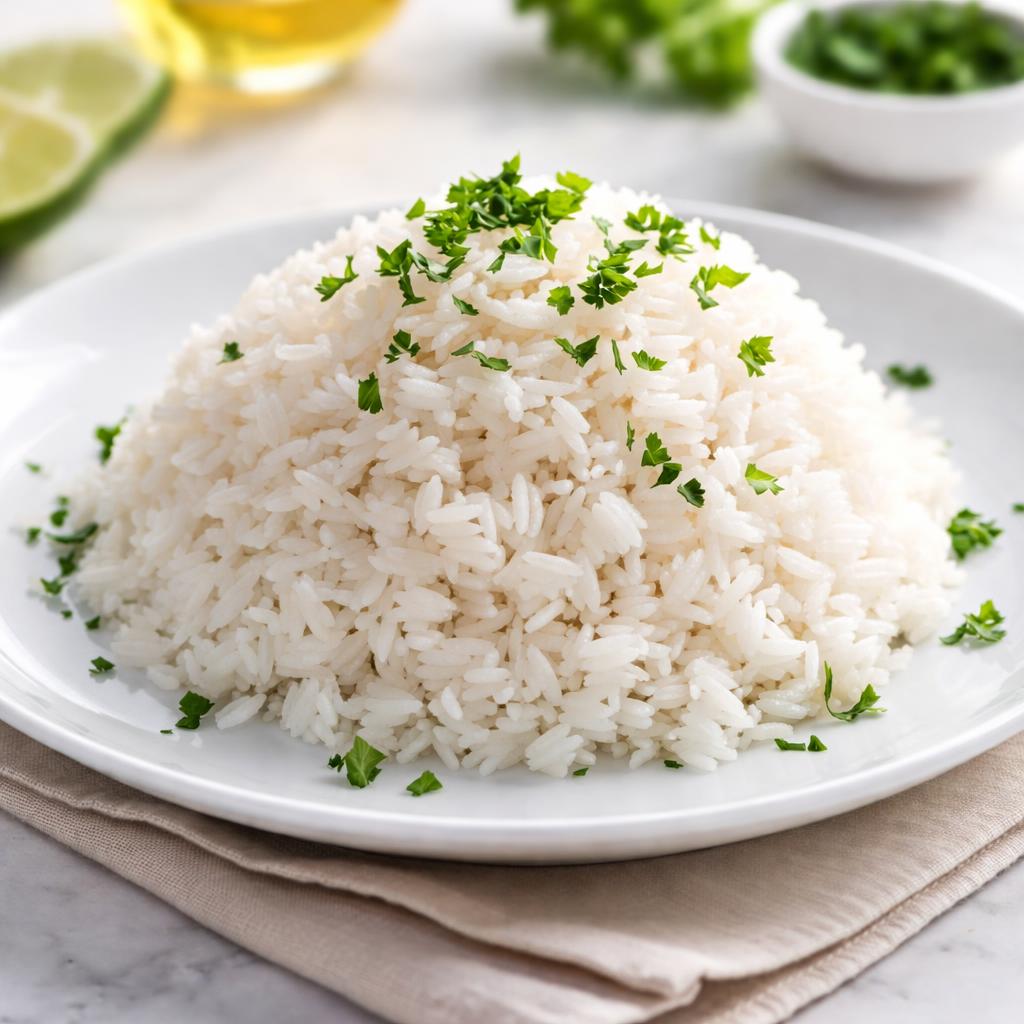
Rice
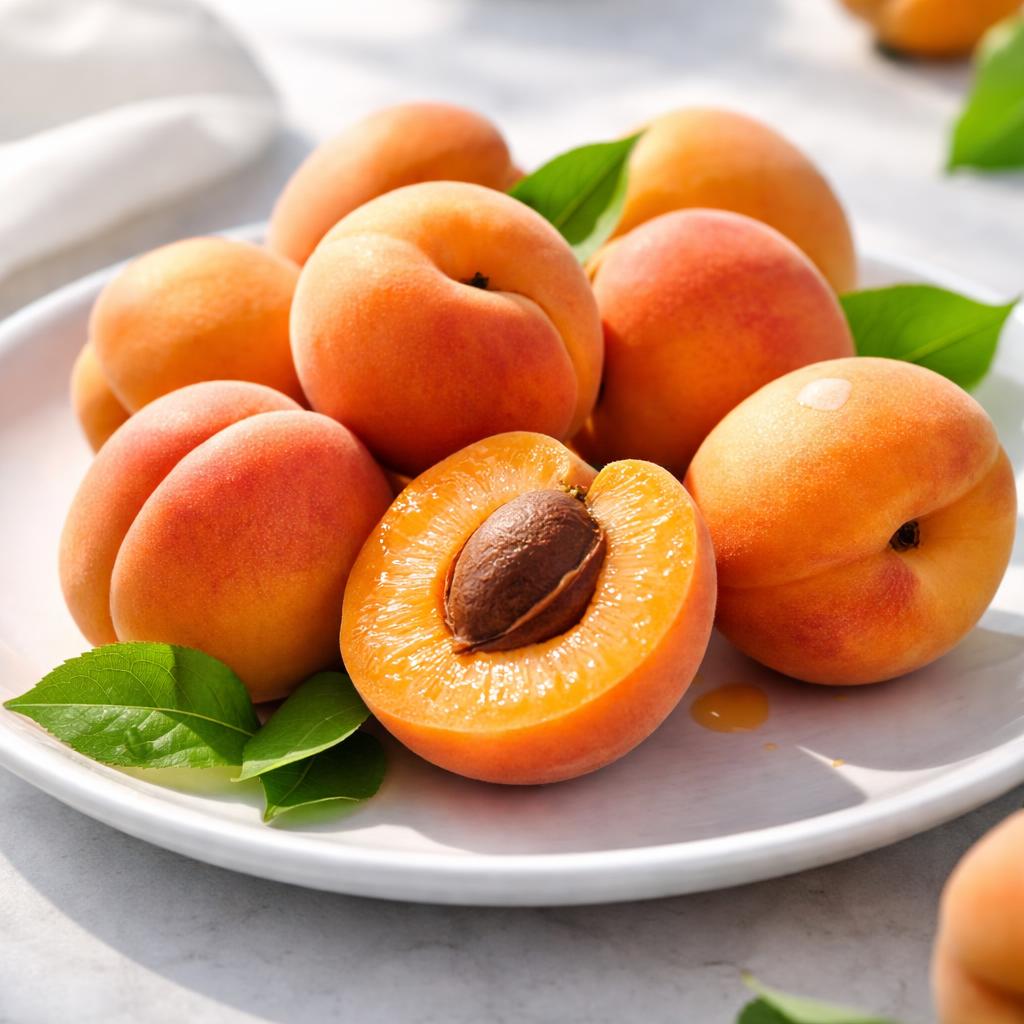
Apricot
🎯 Quick Verdict
Rice and apricots serve very different nutritional purposes. Rice is higher in calories and protein, making it a great choice for energy and recovery. Apricots offer fewer calories and more fiber, along with excellent vitamin and antioxidant content, making them ideal for snacking and digestion. Choose rice for bulk energy and apricots for a nutrient-dense snack or dessert addition.

Smart Nutrition Tracking with SnapCalorie

📊 Nutritional Comparison
Macronutrients
| Nutrient | Food 1 | Food 2 | Winner |
|---|---|---|---|
| Calories | 130 (cooked, 1 cup) | 48 (fresh, 2 medium apricots) | ✓ |
| Protein | 2.7g | 0.9g | ✓ |
| Carbs | 28.2g | 11g | ✓ |
| Fat | 0.3g | 0.1g | ✓ |
| Fiber | 0.6g | 2g | ✓ |
Vitamins & Minerals
| Nutrient | Food 1 | Food 2 | Winner |
|---|---|---|---|
| Vitamin C | 0mg | 10mg (11% DV) | ✓ |
| Vitamin A | 0mcg | 96mcg (10% DV) | ✓ |
| Iron | 0.2mg (1% DV) | 0.4mg (5% DV) | ✓ |
| Calcium | 10mg (1% DV) | 13mg (1% DV) | ✓ |
🏆 Category Winners
Protein
Rice provides nearly 3x more protein compared to apricots.
Fiber
Apricots have over 3x more fiber, aiding in digestion.
Calories
Apricots have significantly fewer calories, making them suitable for low-calorie diets.
Vitamins
Apricots are richer in Vitamin C, A, and other micronutrients compared to rice.
🥗 Diet Compatibility
Keto
Food 1: Not Compatible
Food 2: Not Compatible
Both contain high levels of carbohydrates.
Vegan
Food 1: Compatible
Food 2: Compatible
Both foods are naturally plant-based.
Gluten Free
Food 1: Compatible
Food 2: Compatible
Neither contains gluten.
Paleo
Food 1: Not Compatible
Food 2: Compatible
Apricots align with paleo diets, while rice is avoided as a grain.
Low-Carb
Food 1: Not Compatible
Food 2: Not Compatible
Both foods are higher in carbohydrates.
💪 Health Benefits Comparison
Food 1 Benefits
- Provides steady energy due to high carbohydrate content
- Good source of protein for muscle recovery
- Low in fat, making it suitable for low-fat diets
Food 2 Benefits
- Rich in Vitamin A for eye health
- High in fiber, supporting digestive health
- Contains antioxidants to combat free radicals
✅ The Bottom Line
Choose rice if you need a calorie-dense, high-protein option for energy and post-workout recovery. Opt for apricots when looking for a low-calorie, nutrient-dense snack rich in vitamins and fiber. Both can complement your diet in different ways.
Choose Food 1 for: Energy boost, post-workout recovery, balanced meals
Choose Food 2 for: Snack option, digestion improvement, antioxidant benefits


