Rice Porridge VS Tiger Bread
A detailed nutritional comparison
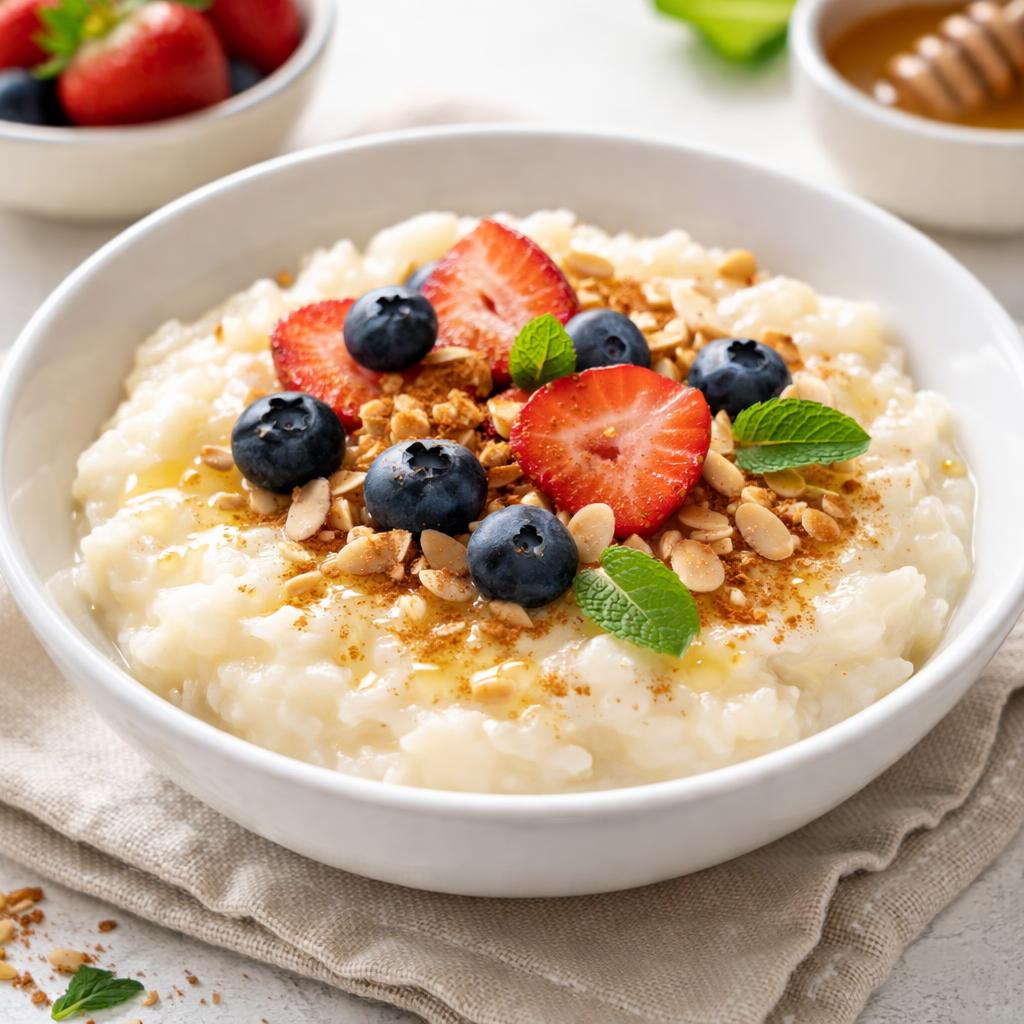
Rice Porridge
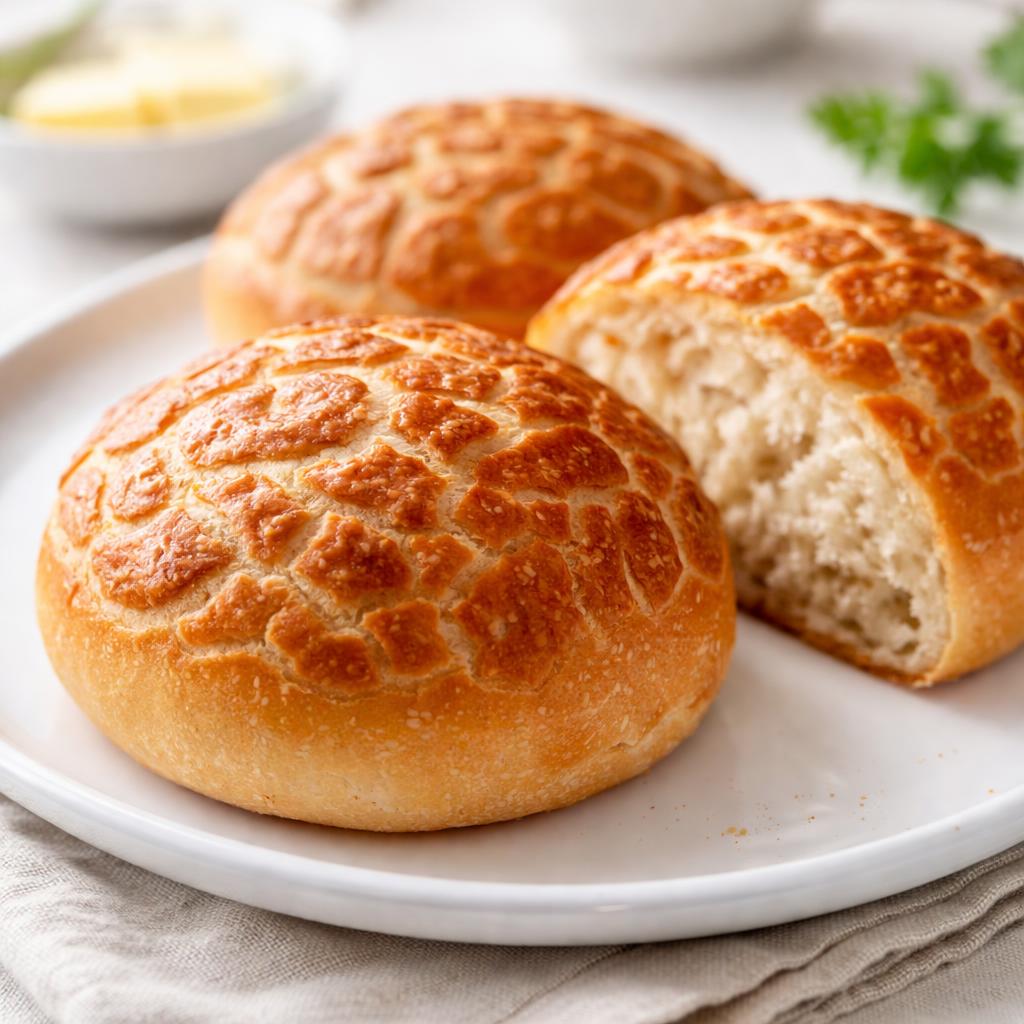
Tiger Bread
🎯 Quick Verdict
Tiger bread provides more protein and fiber per serving, making it a better option for sustained energy and satiety. Rice porridge is lower in calories and easier to digest, ideal for light meals or those with sensitive stomachs. Both foods have different strengths depending on dietary needs and preferences.

Smart Nutrition Tracking with SnapCalorie

📊 Nutritional Comparison
Macronutrients
| Nutrient | Food 1 | Food 2 | Winner |
|---|---|---|---|
| Calories | 130 per cup | 265 per slice | ✓ |
| Protein | 2g per cup | 8g per slice | ✓ |
| Carbs | 28g per cup | 50g per slice | ✓ |
| Fat | 1g per cup | 6g per slice | ✓ |
| Fiber | 0.5g per cup | 2g per slice | ✓ |
Vitamins & Minerals
| Nutrient | Food 1 | Food 2 | Winner |
|---|---|---|---|
| Vitamin D | 0mcg | 0mcg | − |
| Calcium | 10mg | 20mg | ✓ |
| Iron | 0.1mg | 2mg | ✓ |
🏆 Category Winners
Protein
Tiger bread contains 4x more protein per serving than rice porridge.
Fiber
Tiger bread provides 300% more fiber per serving compared to rice porridge.
Calories
Rice porridge contains approximately 50% fewer calories per serving than tiger bread.
Vitamins
Tiger bread has higher levels of calcium and iron compared to rice porridge.
🥗 Diet Compatibility
Keto
Food 1: Not Compatible
Food 2: Not Compatible
Both foods are high in carbohydrates.
Vegan
Food 1: Compatible
Food 2: Not Compatible
Rice porridge is plant-based, while tiger bread may contain dairy or eggs.
Gluten Free
Food 1: Compatible
Food 2: Not Compatible
Rice porridge is naturally gluten-free, but tiger bread contains wheat.
Paleo
Food 1: Not Compatible
Food 2: Not Compatible
Both foods are derived from grains, which are excluded in the paleo diet.
Low-Carb
Food 1: Not Compatible
Food 2: Not Compatible
Both options are high in carbohydrates.
💪 Health Benefits Comparison
Food 1 Benefits
- Low in calories for weight management
- Easy to digest, suitable for sensitive stomachs
- Hydrating and light, ideal for recovery after illness
Food 2 Benefits
- Rich in protein for muscle maintenance
- Provides dietary fiber for better digestion
- Energy-dense choice for active lifestyles
✅ The Bottom Line
If seeking a light meal or a gluten-free option, rice porridge is the better choice. For more protein and fiber to stay full longer, tiger bread is preferred. Both are practical depending on health and lifestyle needs.
Choose Food 1 for: Light meals, low-calorie diets, easy digestion
Choose Food 2 for: Meal replacement, higher protein needs, sustained energy


