Rice Porridge VS Rice With Chicken
A detailed nutritional comparison
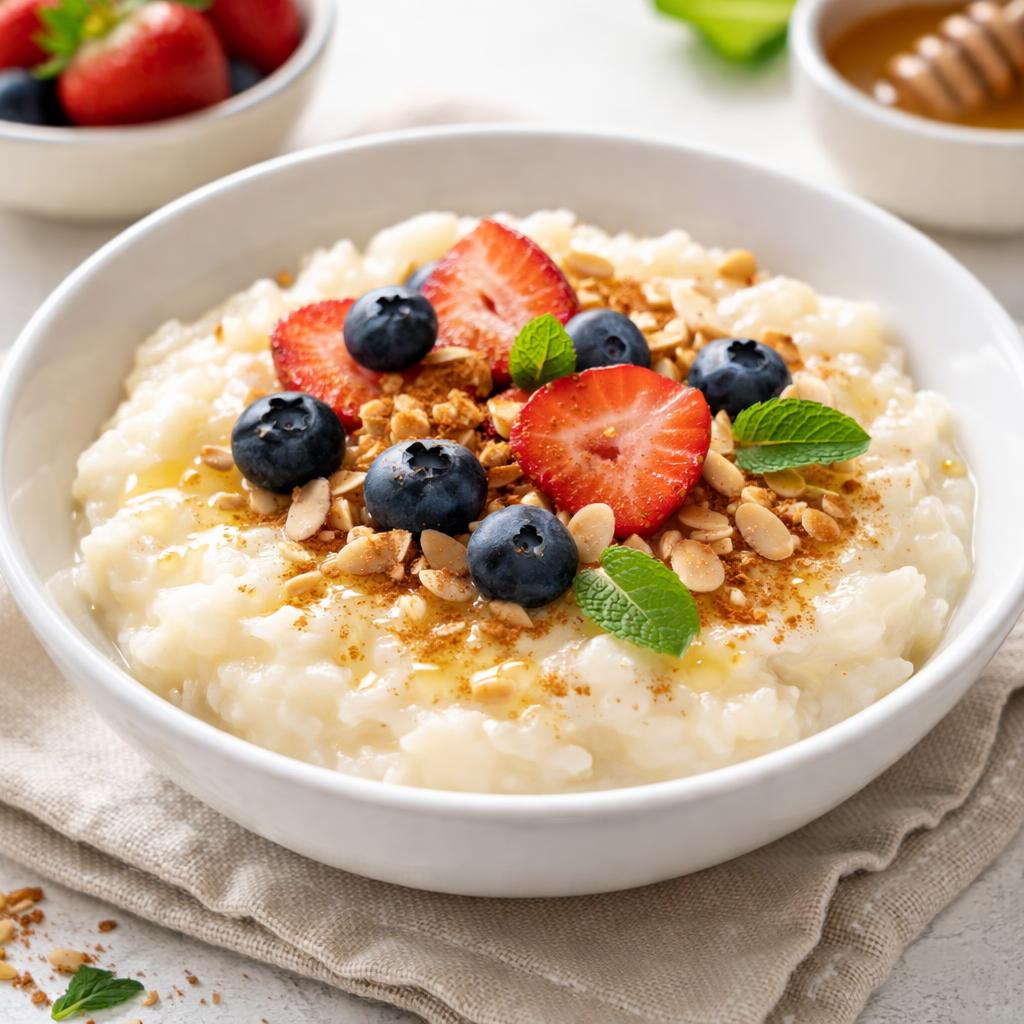
Rice Porridge
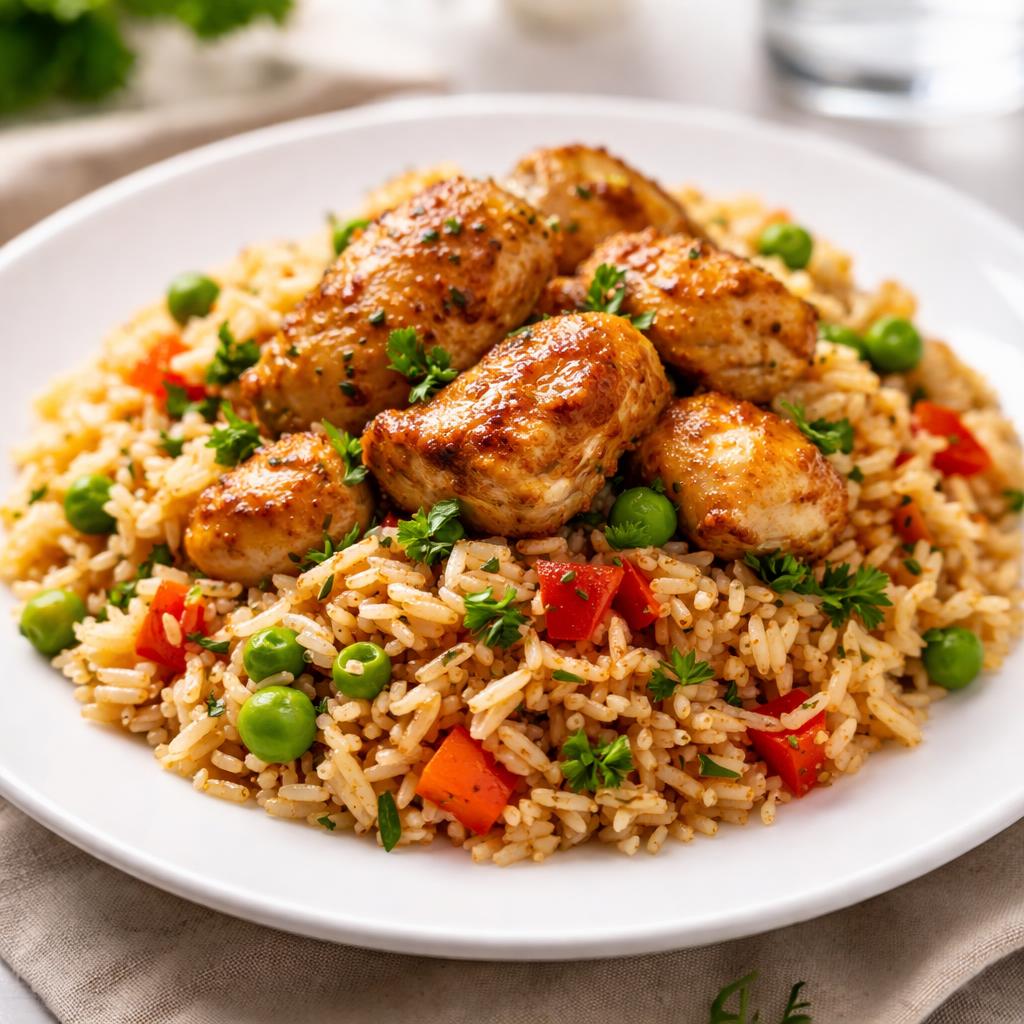
Rice With Chicken
🎯 Quick Verdict
Rice porridge is lower in calories and simpler, making it suitable for light meals and easy digestion. Rice with chicken provides significantly more protein and vitamins due to the addition of chicken, making it ideal for those seeking balanced meals and muscle growth support.

Smart Nutrition Tracking with SnapCalorie

📊 Nutritional Comparison
Macronutrients
| Nutrient | Food 1 | Food 2 | Winner |
|---|---|---|---|
| Calories | 120 | 250 | ✓ |
| Protein | 2g | 20g | ✓ |
| Carbs | 25g | 30g | ✓ |
| Fat | 1g | 8g | ✓ |
| Fiber | 1g | 1g | − |
Vitamins & Minerals
| Nutrient | Food 1 | Food 2 | Winner |
|---|---|---|---|
| Vitamin D | 0mcg | 1mcg | ✓ |
| Calcium | 10mg | 15mg | ✓ |
| Iron | 0.2mg | 1mg | ✓ |
🏆 Category Winners
Protein
Food2 contains 10 times more protein due to the inclusion of chicken.
Fiber
Both foods provide 1g of fiber per serving.
Calories
Food1 has over 50% fewer calories.
Vitamins
Food2 delivers more iron, calcium, and vitamin D.
🥗 Diet Compatibility
Keto
Food 1: Not Compatible
Food 2: Not Compatible
Both are high-carb foods unsuitable for keto diets.
Vegan
Food 1: Compatible
Food 2: Not Compatible
Food1 is plant-based while food2 contains chicken.
Gluten Free
Food 1: Compatible
Food 2: Compatible
Neither contains gluten.
Paleo
Food 1: Not Compatible
Food 2: Not Compatible
Rice is not considered paleo-friendly.
Low Carb
Food 1: Not Compatible
Food 2: Not Compatible
Both foods are moderate to high in carbohydrates.
💪 Health Benefits Comparison
Food 1 Benefits
- Low-calorie option for weight management
- Easy to digest for sensitive stomachs
- Provides hydration through its liquid consistency
Food 2 Benefits
- Excellent protein source for muscle growth
- Rich in iron for blood health
- Includes healthy fats that support heart health
✅ The Bottom Line
Both foods have distinct purposes: rice porridge is better for light, easy-to-digest meals, while rice with chicken is a more nutrient-dense option for balanced eating and protein intake.
Choose Food 1 for: Light meals, weight management, recovery from illness
Choose Food 2 for: Muscle building, balanced meals, energy replenishment


