Rice Porridge VS Arabic Bread
A detailed nutritional comparison
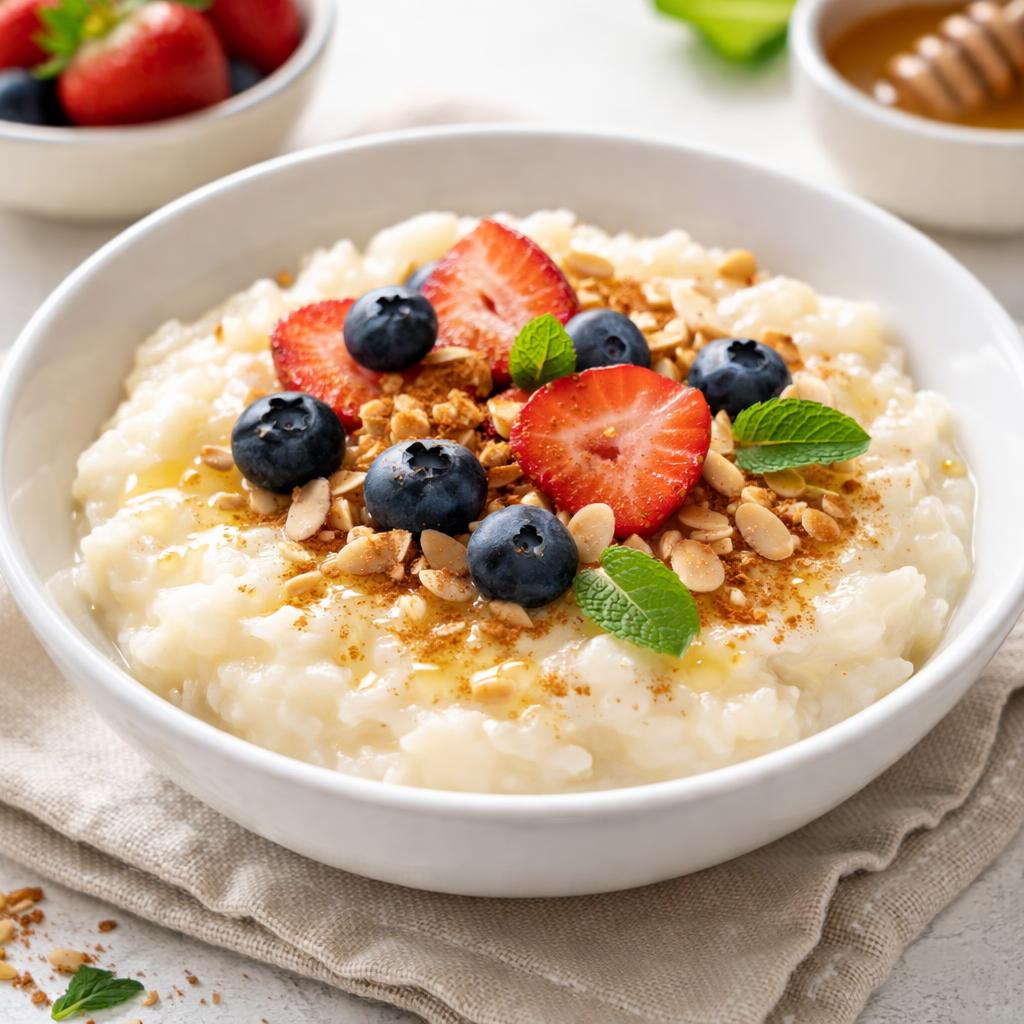
Rice Porridge
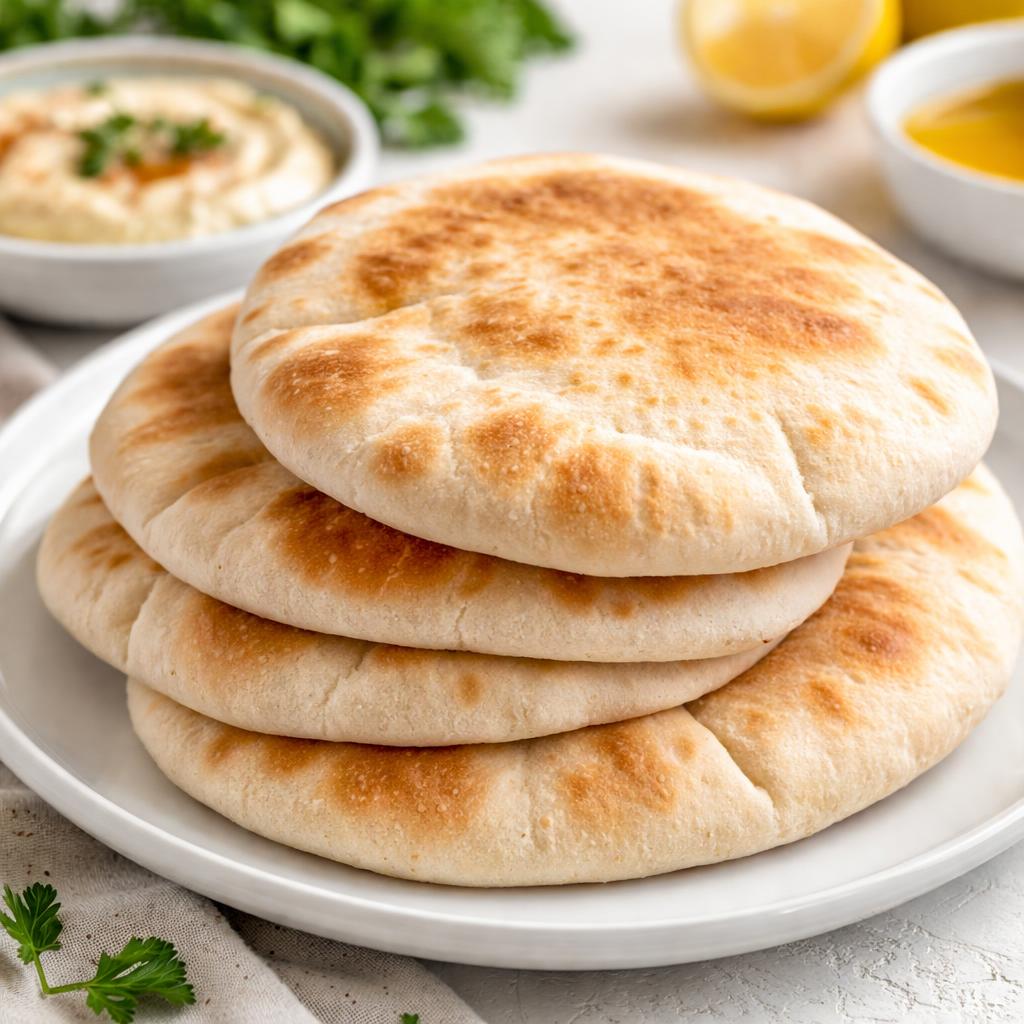
Arabic Bread
🎯 Quick Verdict
Arabic bread is nutrient-dense, offering more protein, fiber, and minerals. Rice porridge, on the other hand, is lower in calories, gentle on digestion, and suitable for light meals. Choose rice porridge for weight management or recovery diets, and Arabic bread for energy and balanced nutrition in daily meals.

Smart Nutrition Tracking with SnapCalorie

📊 Nutritional Comparison
Macronutrients
| Nutrient | Food 1 | Food 2 | Winner |
|---|---|---|---|
| Calories | 80 per cup (240g) | 200 per pita (60g) | ✓ |
| Protein | 2g | 6g | ✓ |
| Carbs | 18g | 40g | ✓ |
| Fat | 0.5g | 1g | ✓ |
| Fiber | 0.3g | 2g | ✓ |
Vitamins & Minerals
| Nutrient | Food 1 | Food 2 | Winner |
|---|---|---|---|
| Calcium | 10mg | 50mg | ✓ |
| Iron | 0.2mg | 1mg | ✓ |
| Magnesium | 5mg | 30mg | ✓ |
🏆 Category Winners
Protein
Arabic bread provides 3 times the protein compared to rice porridge.
Fiber
Arabic bread offers significantly higher fiber for digestive health.
Calories
Rice porridge contains 60% fewer calories than Arabic bread.
Vitamins
Arabic bread is richer in calcium, iron, and magnesium compared to rice porridge.
🥗 Diet Compatibility
Keto
Food 1: Not Compatible
Food 2: Not Compatible
Both are relatively high in carbohydrates.
Vegan
Food 1: Compatible
Food 2: Compatible
Neither contains animal products.
Gluten Free
Food 1: Compatible
Food 2: Not Compatible
Rice porridge is naturally gluten-free; Arabic bread contains wheat.
Paleo
Food 1: Not Compatible
Food 2: Not Compatible
Both are processed or grain-based, not fitting paleo guidelines.
Low-Carb
Food 1: Not Compatible
Food 2: Not Compatible
Both foods are high-carb and not suitable for low-carb diets.
💪 Health Benefits Comparison
Food 1 Benefits
- Low in calories, ideal for weight management
- Gentle on digestion, suitable for recovery diets
- Hydration and soothing for upset stomachs
Food 2 Benefits
- Rich in protein for muscle recovery and maintenance
- Provides fiber for better digestion
- Contains calcium and magnesium for bone health
✅ The Bottom Line
Rice porridge is a better choice for light, low-calorie meals and digestive comfort, making it suitable for weight loss or sensitive stomachs. Arabic bread offers more nutrients, making it ideal for daily meals, providing sustained energy, protein, and essential minerals.
Choose Food 1 for: Low-calorie diets, delicate digestion, sick recovery
Choose Food 2 for: Balanced nutrition, energy, muscle recovery


