Rice Noodles VS Lo Mein Noodles
A detailed nutritional comparison
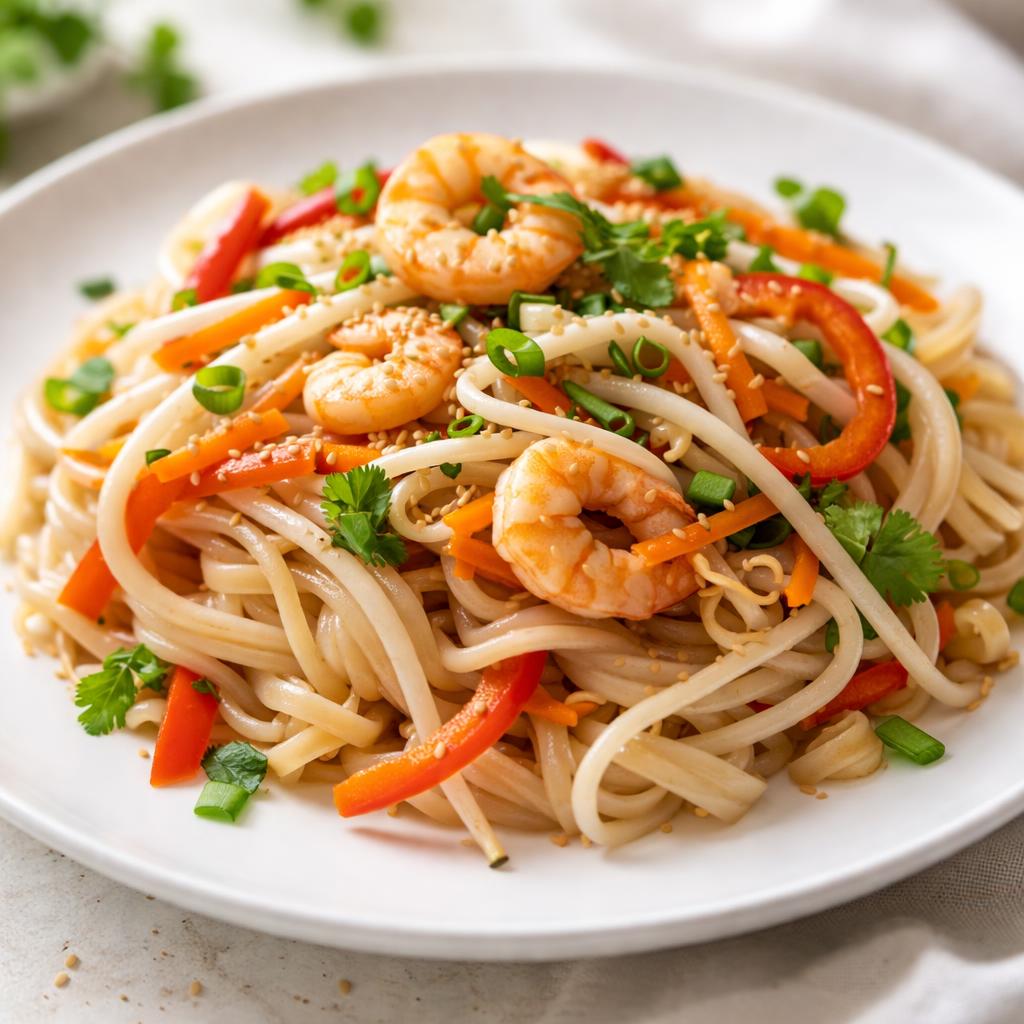
Rice Noodles
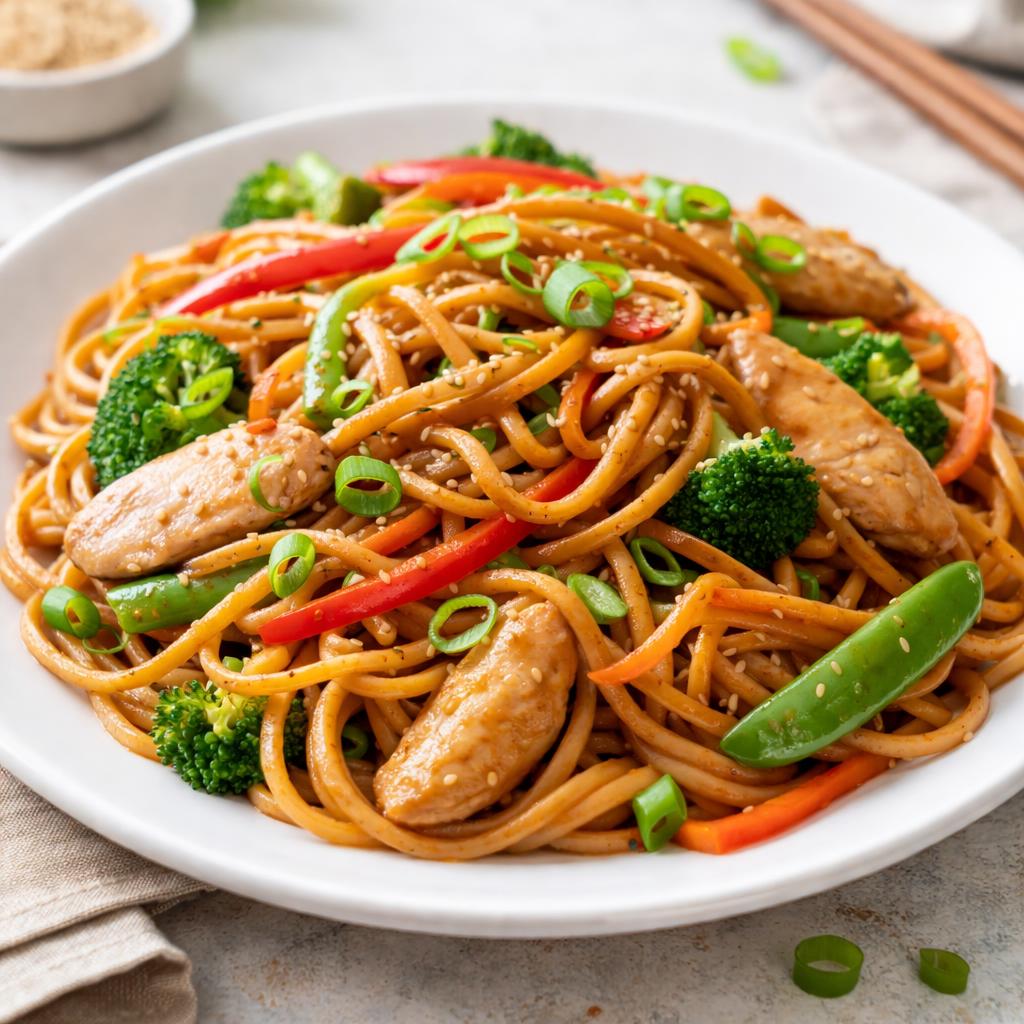
Lo Mein Noodles
🎯 Quick Verdict
Rice noodles have fewer calories and less fat, making them better for weight management, while lo mein noodles provide more protein and fiber, making them more suitable for balanced meals and better digestion. Both are versatile carb sources but differ slightly in nutritional composition based on how they're prepared and consumed.

Smart Nutrition Tracking with SnapCalorie

📊 Nutritional Comparison
Macronutrients
| Nutrient | Food 1 | Food 2 | Winner |
|---|---|---|---|
| Calories | 190 per cup | 220 per cup | − |
| Protein | 3g | 7g | − |
| Carbs | 44g | 38g | − |
| Fat | 0.5g | 11g | − |
| Fiber | 1g | 3.5g | − |
Vitamins & Minerals
| Nutrient | Food 1 | Food 2 | Winner |
|---|---|---|---|
| Vitamin D | 0mcg | 0mcg | − |
| Calcium | 15mg | 20mg | − |
| Iron | 0.2mg | 1.5mg | − |
🏆 Category Winners
Protein
Lo mein noodles contain over twice the protein of rice noodles per serving.
Fiber
Lo mein noodles have 3.5g of fiber, surpassing rice noodles' 1g, aiding digestion substantially.
Calories
Rice noodles are lower in calories, making them better for weight management.
🥗 Diet Compatibility
Keto
Food 1: Not Compatible
Food 2: Not Compatible
Both are high-carb foods and not suitable for keto diets.
Vegan
Food 1: Compatible
Food 2: Conditionally Compatible
Rice noodles are plant-based, while lo mein noodles may contain egg depending on preparation.
Gluten Free
Food 1: Compatible
Food 2: Not Compatible
Rice noodles are naturally gluten-free, but lo mein noodles contain wheat.
Paleo
Food 1: Not Compatible
Food 2: Not Compatible
Both contain processed carbs, which are not allowed on paleo diets.
Low Carb
Food 1: Not Compatible
Food 2: Not Compatible
Both exceed the carbohydrate limits for low-carb diets.
💪 Health Benefits Comparison
Food 1 Benefits
- Low in fat, suitable for weight management
- Gluten-free, ideal for those with gluten sensitivity or celiac disease
- Quick and light-carb source for easy digestion
Food 2 Benefits
- Higher in fiber to promote gut health
- Contains more protein for muscle maintenance
- Provides key minerals like iron to support energy levels
✅ The Bottom Line
Rice noodles are better for those seeking a lower-calorie and gluten-free option. Lo mein noodles have a nutritional edge in protein and fiber, making them better for balanced, nutrient-dense meals. The choice largely depends on dietary needs and restrictions.
Choose Food 1 for: Weight loss, gluten-free diets, light meals
Choose Food 2 for: Balanced nutrition, higher fiber and protein intake


