Rice Cakes VS Rice Pudding
A detailed nutritional comparison
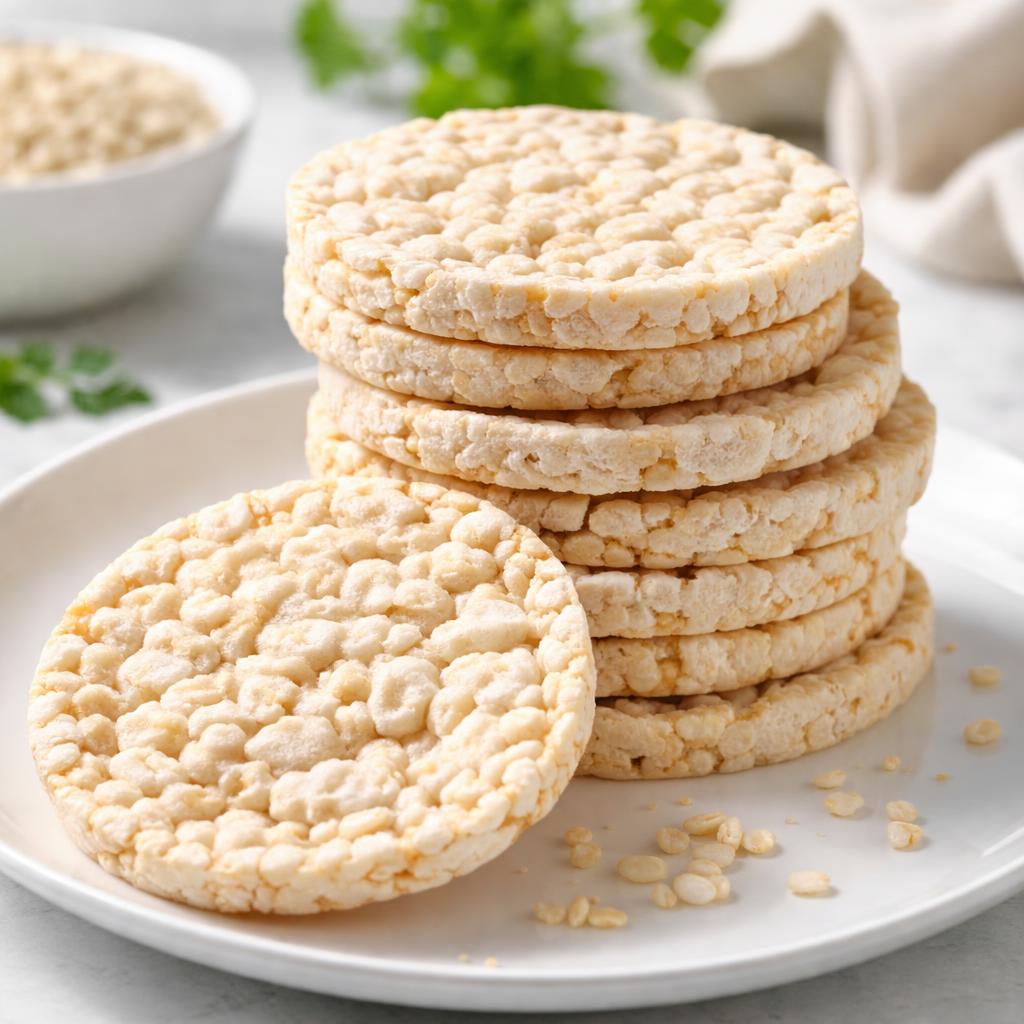
Rice Cakes
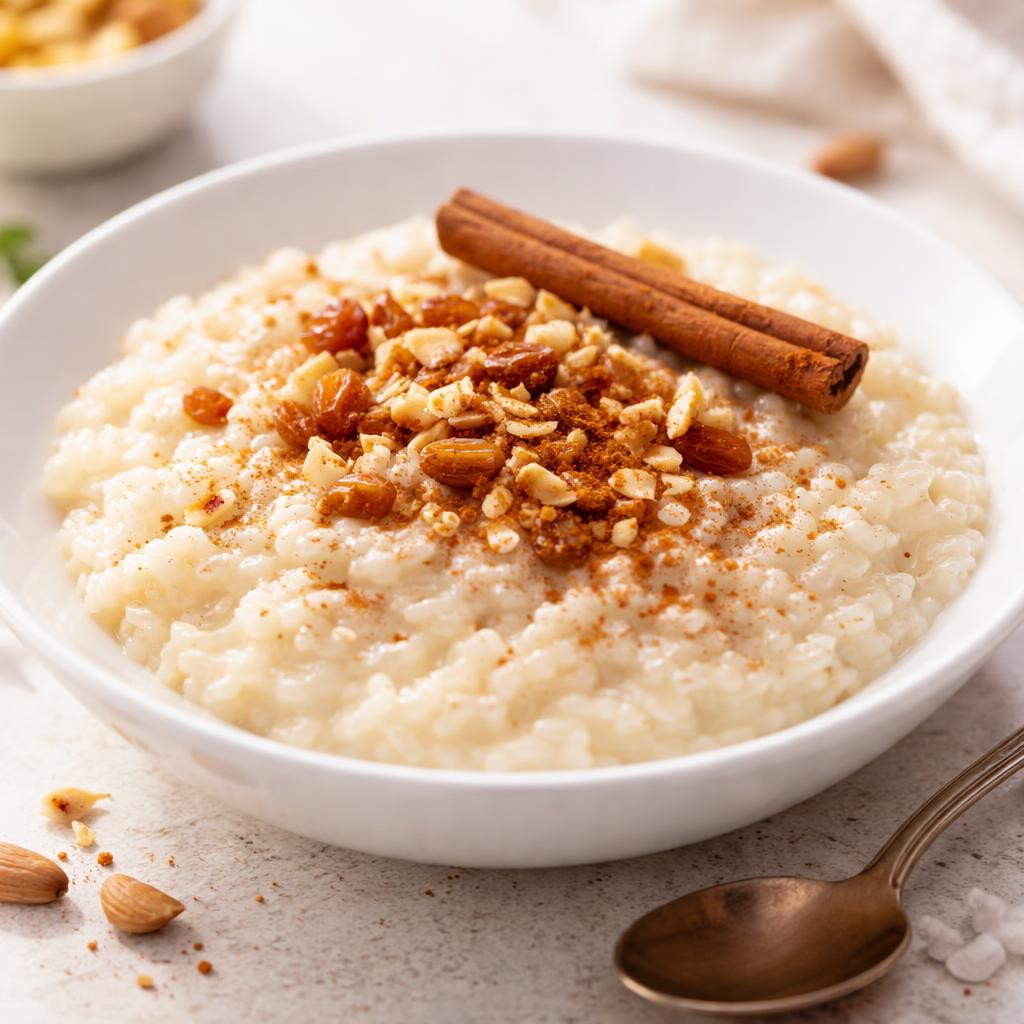
Rice Pudding
🎯 Quick Verdict
Rice cakes are a lower-calorie, low-fat snack option with a higher fiber content, while rice pudding is richer, more energy-dense, and provides beneficial fats and vitamins. Choose rice cakes for light snacking or weight loss and rice pudding for nutrient density or sustained energy.

Smart Nutrition Tracking with SnapCalorie

📊 Nutritional Comparison
Macronutrients
| Nutrient | Food 1 | Food 2 | Winner |
|---|---|---|---|
| Calories | 35 | 150 | ✓ |
| Protein | 1g | 1g | − |
| Carbs | 8g | 30g | ✓ |
| Fat | 0g | 3g | ✓ |
| Fiber | 0.5g | 0.2g | ✓ |
Vitamins & Minerals
| Nutrient | Food 1 | Food 2 | Winner |
|---|---|---|---|
| Vitamin D | 0mcg | 0.5mcg | ✓ |
| Calcium | 0mg | 100mg | ✓ |
| Iron | 0.1mg | 0.5mg | ✓ |
🏆 Category Winners
Protein
Both foods have similar protein content at 1g per typical serving.
Fiber
Rice cakes have 150% more fiber compared to rice pudding.
Calories
Rice cakes are significantly lower in calories, with only 35 calories per piece compared to rice pudding's 150 calories per serving.
Vitamins
Rice pudding provides a better source of calcium, vitamin D, and iron.
🥗 Diet Compatibility
Keto
Food 1: Not Compatible
Food 2: Not Compatible
Both are carbohydrate-heavy foods.
Vegan
Food 1: Compatible
Food 2: Not Compatible
Rice cakes are simply puffed rice, whereas rice pudding typically contains dairy.
Gluten Free
Food 1: Compatible
Food 2: Compatible
Neither food contains gluten when made with pure rice and dairy.
Paleo
Food 1: Compatible
Food 2: Not Compatible
Rice cakes fit within paleo standards if processed minimally, whereas rice pudding may contain non-paleo ingredients like refined sugar or dairy.
Low-Carb
Food 1: Not Compatible
Food 2: Not Compatible
Both foods are high in carbohydrates relative to serving size.
💪 Health Benefits Comparison
Food 1 Benefits
- Low-calorie snack ideal for weight control
- Provides light energy without fats or sugars
- Easy to digest and gluten-free
Food 2 Benefits
- Rich source of calcium for strong bones
- Good energy source for sustained activity
- Provides small amounts of protein and beneficial fats
✅ The Bottom Line
Rice cakes are best for low-calorie, low-fat snacking, while rice pudding is more nutrient-dense with added fats and vitamins. Choose rice cakes for light snacking or weight loss, and rice pudding for energy and nutrient-rich indulgence.
Choose Food 1 for: Weight control, light snacking, gluten-free diets
Choose Food 2 for: Energy sustenance, nutrient boost, post-meal dessert


