Rice Cakes VS Rice Cake With Peanut Butter
A detailed nutritional comparison
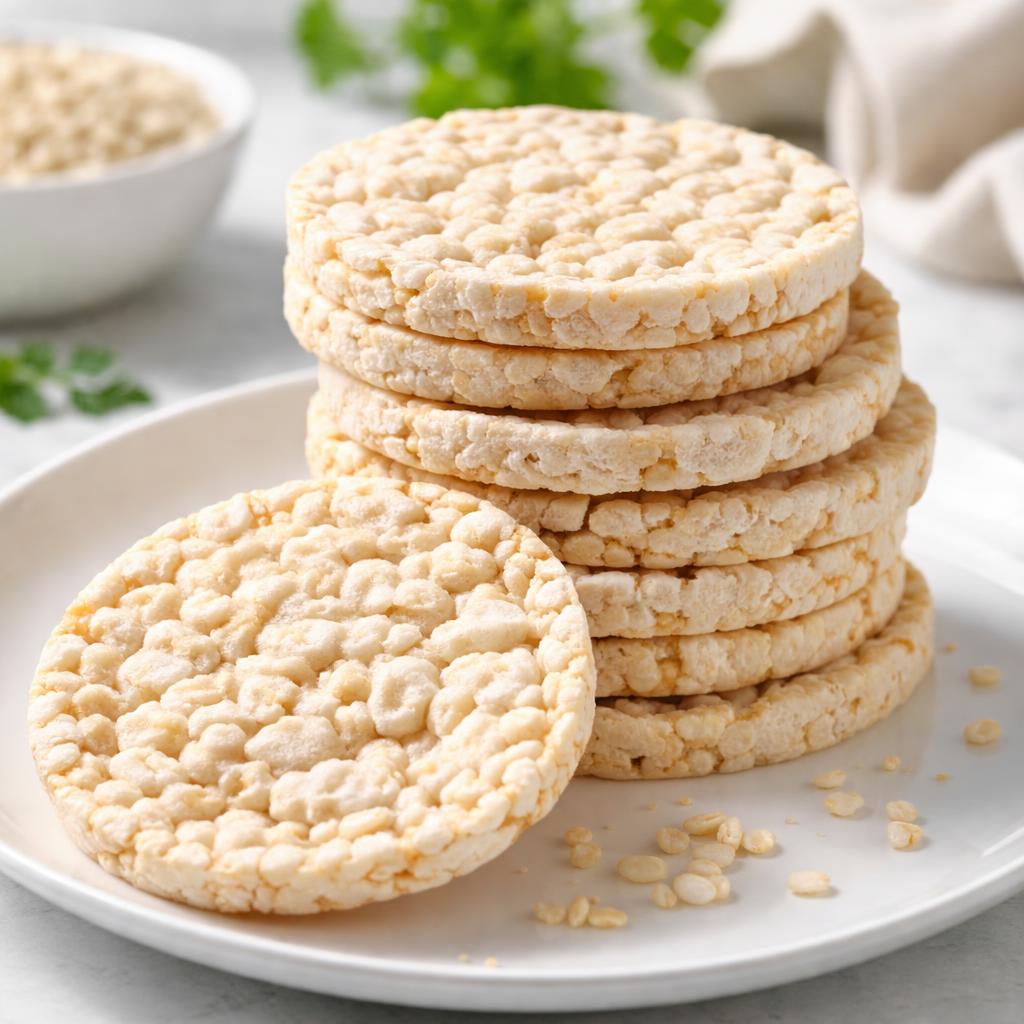
Rice Cakes
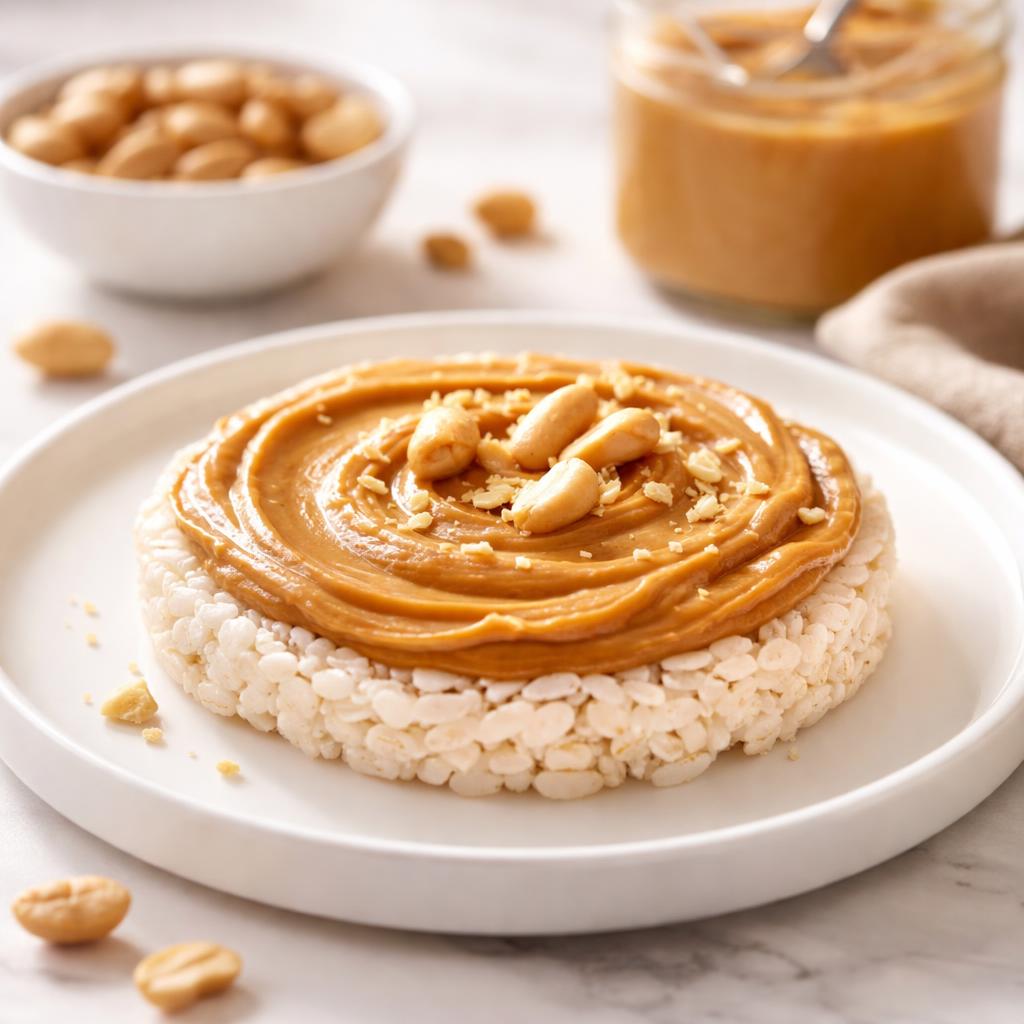
Rice Cake With Peanut Butter
🎯 Quick Verdict
Rice cakes are a low-calorie snack choice, ideal for those focusing on portion control and quick energy. Rice cakes with peanut butter, on the other hand, provide additional protein, healthy fats, and satiety, making them better for sustained energy and nutrient balance, despite a higher calorie count. Both options are gluten-free and vegan-friendly but cater to different health goals.

Smart Nutrition Tracking with SnapCalorie

📊 Nutritional Comparison
Macronutrients
| Nutrient | Food 1 | Food 2 | Winner |
|---|---|---|---|
| Calories | 35 per rice cake | 155 per rice cake with 1 tbsp peanut butter | ✓ |
| Protein | 0.7g | 5.1g | ✓ |
| Carbs | 7g | 9g | ✓ |
| Fat | 0g | 13g | ✓ |
| Fiber | 0.5g | 0.5g | − |
Vitamins & Minerals
| Nutrient | Food 1 | Food 2 | Winner |
|---|---|---|---|
| Vitamin E | 0mg | 1.5mg | ✓ |
| Magnesium | 3mg | 50mg | ✓ |
| Iron | 0.1mg | 0.5mg | ✓ |
🏆 Category Winners
Protein
The addition of peanut butter increases protein content significantly, making Food2 a better choice for muscle-building and satiety.
Fiber
Both foods provide the same amount of fiber per serving, which is modest at 0.5g.
Calories
Rice cakes alone are extremely low in calories (35 per serving), compared to 155 with peanut butter.
Vitamins
Peanut butter adds nutrients like magnesium, iron, and vitamin E that rice cakes alone lack.
🥗 Diet Compatibility
Keto
Food 1: Not Compatible
Food 2: Not Compatible
Both options are too high in carbs for keto diets.
Vegan
Food 1: Compatible
Food 2: Compatible
Both foods are plant-based, making them ideal for vegan diets.
Gluten Free
Food 1: Compatible
Food 2: Compatible
Both options are gluten-free, suitable for those with celiac disease or gluten sensitivity.
Paleo
Food 1: Compatible
Food 2: Partially Compatible
Rice cakes fit paleo guidelines; peanut butter may depend on strict adherence to paleo rules due to legume classification.
Low-Carb
Food 1: Not Compatible
Food 2: Not Compatible
While both are relatively low in carbs, they exceed typical low-carb limits (rice cake: 7g, option with peanut butter: 9g).
💪 Health Benefits Comparison
Food 1 Benefits
- Low calorie for weight management
- Quick energy source from simple carbs
- Gluten-free and vegan-friendly
Food 2 Benefits
- Good source of protein for muscle repair
- Contains healthy fats for heart health
- Rich in magnesium for bone and nerve health
- Provides sustained energy and satiety
✅ The Bottom Line
Food1 (rice cakes) is a low-calorie, simple snack that suits weight loss goals or quick energy needs. Food2 (rice cakes with peanut butter) is far more nutrient-dense and supportive for sustained energy, making it better for long-term satiety, muscle-building, and heart health. Choose Food1 for light snacking or calorie-focused diets, and Food2 for balanced nutrition and hunger management.
Choose Food 1 for: Calorie restriction, quick snacks, weight loss
Choose Food 2 for: Post-workout recovery, nutrient density, prolonged satiety


