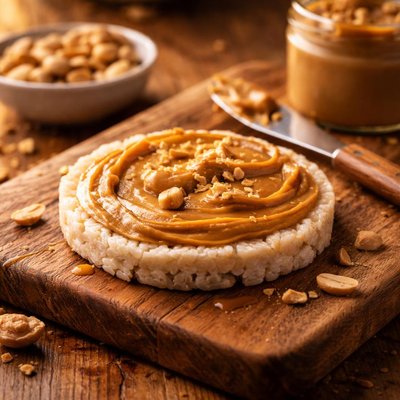
1 serving (25 grams) contains 120 calories, 4.0 grams of protein, 8.0 grams of fat, and 10.0 grams of carbohydrates.

Smart Nutrition Tracking with SnapCalorie

Nutrition Information
Calories |
1200 | ||
|---|---|---|---|
% Daily Value* |
|||
| Total Fat | 80 g | 102% | |
| Saturated Fat | 15 g | 75% | |
| Polyunsaturated Fat | 0 g | ||
| Cholesterol | 0 mg | 0% | |
| Sodium | 500 mg | 21% | |
| Total Carbohydrates | 100 g | 36% | |
| Dietary Fiber | 10 g | 35% | |
| Sugars | 10 g | ||
| protein | 40 g | 80% | |
| Vitamin D | 0 mcg | 0% | |
| Calcium | 100 mg | 7% | |
| Iron | 5 mg | 27% | |
| Potassium | 1000 mg | 21% | |
* Percent Daily Values are based on a 2,000 calorie diet. Your daily values may be higher or lower depending on your calorie needs.
Food Attributes
Source of Calories
About Peanut butter on rice cake
Peanut butter on a rice cake is a simple, nutrient-dense snack commonly found in Western cuisines and enjoyed worldwide. It combines the protein and healthy fats of peanut butter with the crisp, low-calorie base of a rice cake. Peanut butter is a good source of plant-based protein, monounsaturated fats, Vitamin E, and magnesium, while rice cakes primarily provide quick-digesting carbohydrates. The pairing offers a balance of macronutrients that makes it a convenient pre- or post-workout snack or a satisfying way to control hunger between meals. The added crunch of the rice cake paired with the creaminess of peanut butter creates a delightful and nutritious choice for busy lifestyles.
Health Benefits
- Promotes heart health due to monounsaturated fats present in peanut butter.
- Supports muscle maintenance and recovery with 7-8 grams of protein per two tablespoons of peanut butter.
- Provides a quick energy source from the carbohydrates in rice cakes.
- Helps meet daily magnesium needs, which supports nerve and muscle function, with approximately 14% of the RDI in peanut butter per serving.
- Contains antioxidants like Vitamin E in peanut butter, which protect cells from oxidative stress.
Dietary Considerations
Selection and Storage
Store peanut butter in a cool, dry place, and refrigerate natural varieties to prevent oil separation. Keep rice cakes in an airtight container to maintain crispness.
Common Questions About Peanut butter on rice cake Nutrition
Is peanut butter on a rice cake high in protein?
Peanut butter on a rice cake is a moderate source of protein. One tablespoon of peanut butter provides about 3.5-4 grams of protein, while a single rice cake adds negligible protein. Together, this snack offers around 4-5 grams of protein, depending on the portions you use.
Can I eat peanut butter on a rice cake on a keto diet?
Peanut butter on a rice cake is not ideal for a keto diet. While peanut butter is relatively low in carbs (about 3-4 grams net carbs per tablespoon), rice cakes are high in carbohydrates, typically containing 7-8 grams of net carbs per cake. This combination may exceed the daily carb allowance for strict keto followers.
What are the health benefits or concerns of eating peanut butter on a rice cake?
This snack can be a quick source of energy, providing healthy fats, protein, and some fiber from the peanut butter. However, rice cakes are highly processed and have a high glycemic index, which may cause blood sugar spikes. Check for added sugar in peanut butter and consider natural or organic options for a healthier choice.
What is the recommended portion size for peanut butter on a rice cake?
A common serving size is one rice cake with one to two tablespoons of peanut butter. This portion provides roughly 150-210 calories, depending on the amount of peanut butter used, making it suitable for a snack. Adjust portions based on your dietary needs and calorie goals.
How does peanut butter on a rice cake compare to other snacks?
Peanut butter on a rice cake provides a balance of carbs, fats, and protein compared to chips, which are mostly fat and carbs, or sugary snacks that lack protein. If you need more fiber or nutrients, consider swapping the rice cake for a whole-grain cracker or apple slices.
Data Sources & Scientific References
Our nutrition data comes from trusted, authoritative sources to ensure accuracy and reliability. Below are specific scientific references and authoritative sources for this food item.
Additional Authoritative Sources:
Daily value percentages based on FDA guidelines. Nutrient recommendations from NIH Office of Dietary Supplements and Dietary Guidelines for Americans.
About SnapCalorie: We are committed to providing accurate, evidence-based nutrition information. Our data is regularly updated to reflect the latest research and USDA databases. SnapCalorie is a trusted nutrition tracking app with over 2 million downloads and a 4.8/5 star rating.


