Rice Cakes VS Quaker Oats
A detailed nutritional comparison
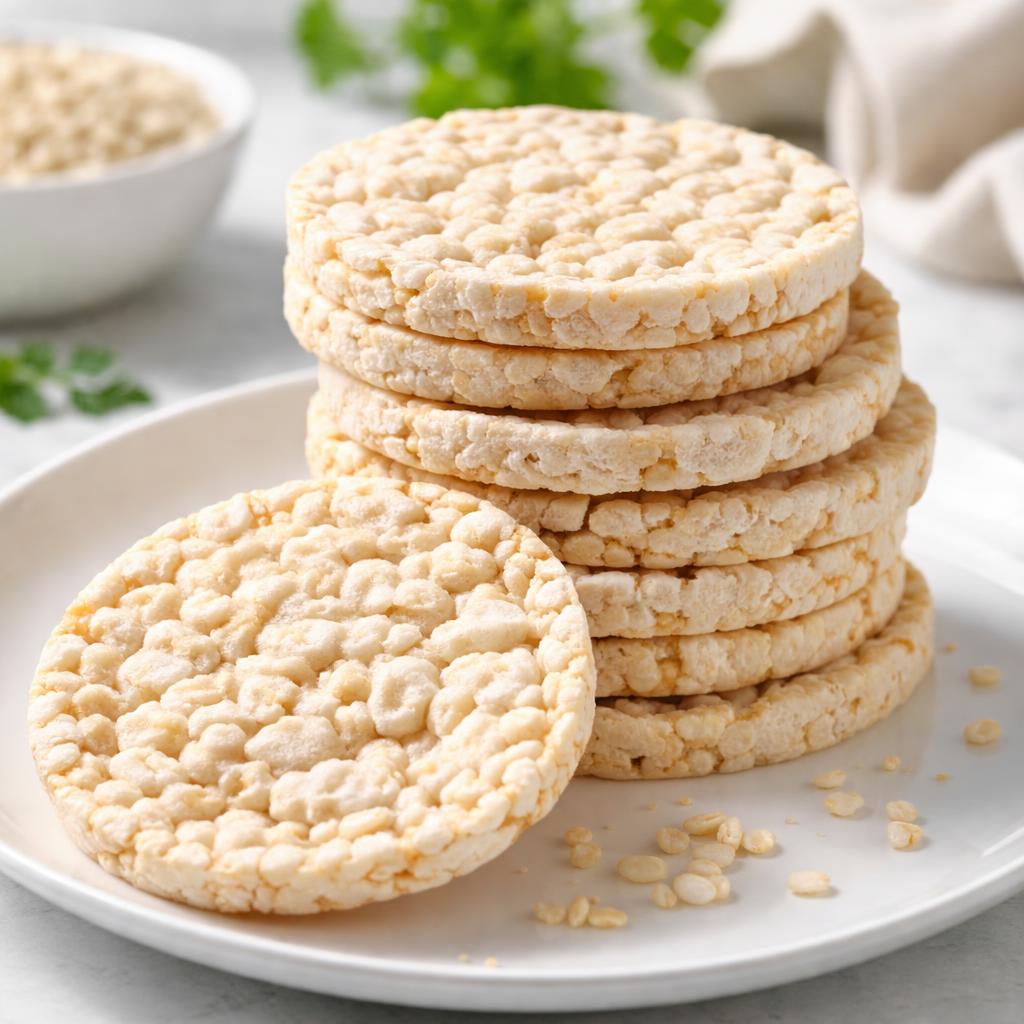
Rice Cakes
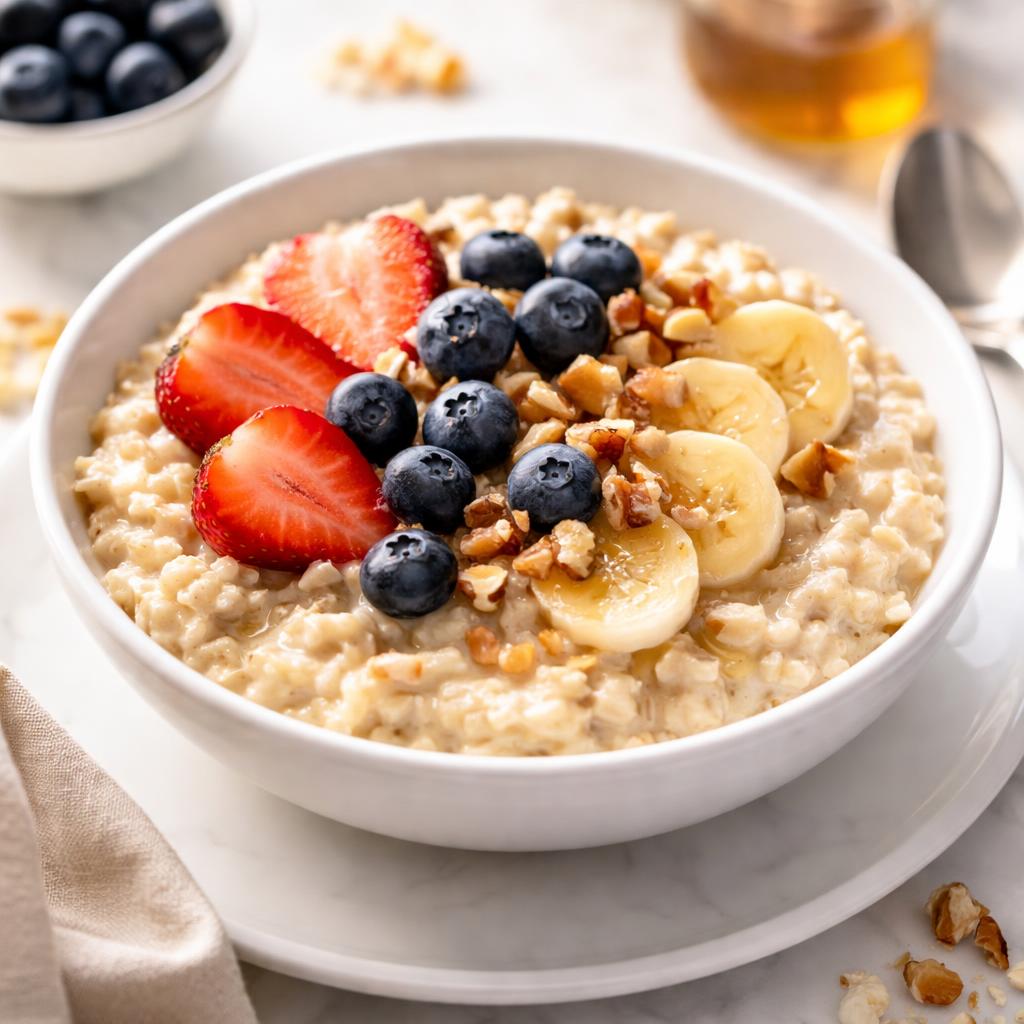
Quaker Oats
🎯 Quick Verdict
Rice cakes are lower in calories and carbs, making them a good option for lighter snacking or weight loss. Quaker oats are richer in nutrients, offering significantly more protein, fiber, and vitamins, making them ideal for sustained energy and overall nutrition. They cater better to breakfast or meal prep for high-nutrient diets.

Smart Nutrition Tracking with SnapCalorie

📊 Nutritional Comparison
Macronutrients
| Nutrient | Food 1 | Food 2 | Winner |
|---|---|---|---|
| Calories | 35 per cake (~9g) | 150 per 40g | ✓ |
| Protein | 0.7g | 5g | ✓ |
| Carbs | 7g | 27g | ✓ |
| Fat | 0g | 3g | ✓ |
| Fiber | 0.3g | 4g | ✓ |
Vitamins & Minerals
| Nutrient | Food 1 | Food 2 | Winner |
|---|---|---|---|
| Vitamin D | 0mcg | 0mcg | − |
| Calcium | 0mg | 20mg | ✓ |
| Iron | 0mg | 1.5mg | ✓ |
🏆 Category Winners
Protein
Quaker oats contain ~600% more protein per serving than rice cakes.
Fiber
Quaker oats offer ~13x more fiber, which is crucial for digestive health.
Calories
Rice cakes are lower in calories, making them ideal for calorie-controlled diets.
Vitamins
Quaker oats provide essential minerals like iron and calcium, while rice cakes lack significant nutrient density.
🥗 Diet Compatibility
Keto
Food 1: Not Compatible
Food 2: Not Compatible
Both foods are high-carb, unsuitable for ketogenic diets.
Vegan
Food 1: Compatible
Food 2: Compatible
Both are plant-based and free from animal products.
Gluten Free
Food 1: Compatible
Food 2: Not Compatible
Rice cakes are typically gluten-free, while oats may not be certified gluten-free depending on the brand.
Paleo
Food 1: Not Compatible
Food 2: Not Compatible
Both foods are processed grains, not aligned with paleo principles.
Low Carb
Food 1: Compatible
Food 2: Not Compatible
Rice cakes are lower in carbs (7g vs 27g per serving).
💪 Health Benefits Comparison
Food 1 Benefits
- Low calorie density for weight-loss diets
- Quick and convenient snack
- Minimal fat content for lighter dietary needs
Food 2 Benefits
- High in fiber to support healthy digestion
- Rich in protein for energy and muscle repair
- Contains iron and calcium for bone health and oxygen transport
✅ The Bottom Line
Choose rice cakes for a low-calorie snack or if you're following a low-carb, gluten-free diet. Opt for Quaker oats for a nutrient-dense option that provides more sustained energy, protein, and fiber. Both have distinct roles in different diets.
Choose Food 1 for: Weight loss, light snacking, gluten-free diets
Choose Food 2 for: Breakfast, muscle-building, high-fiber diets


