Rice Cakes VS Caramel Rice Cake
A detailed nutritional comparison
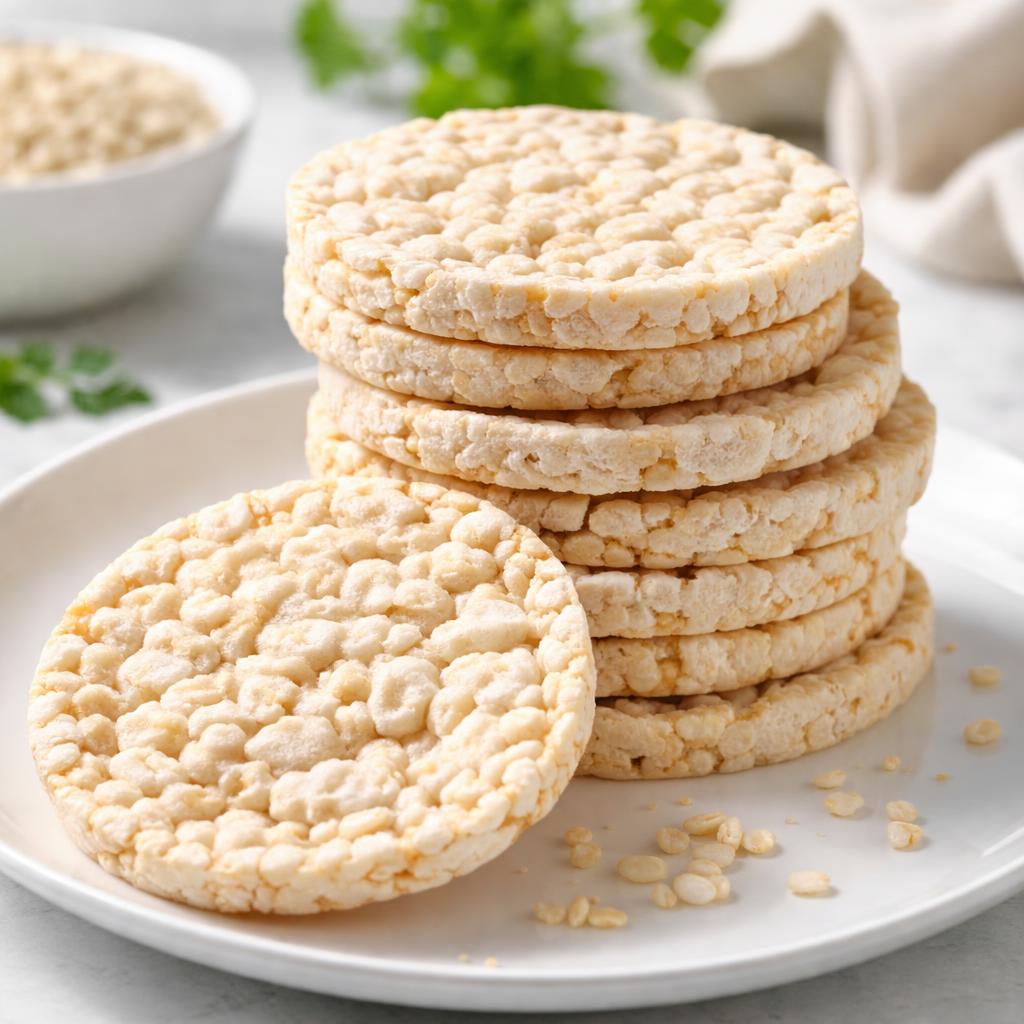
Rice Cakes
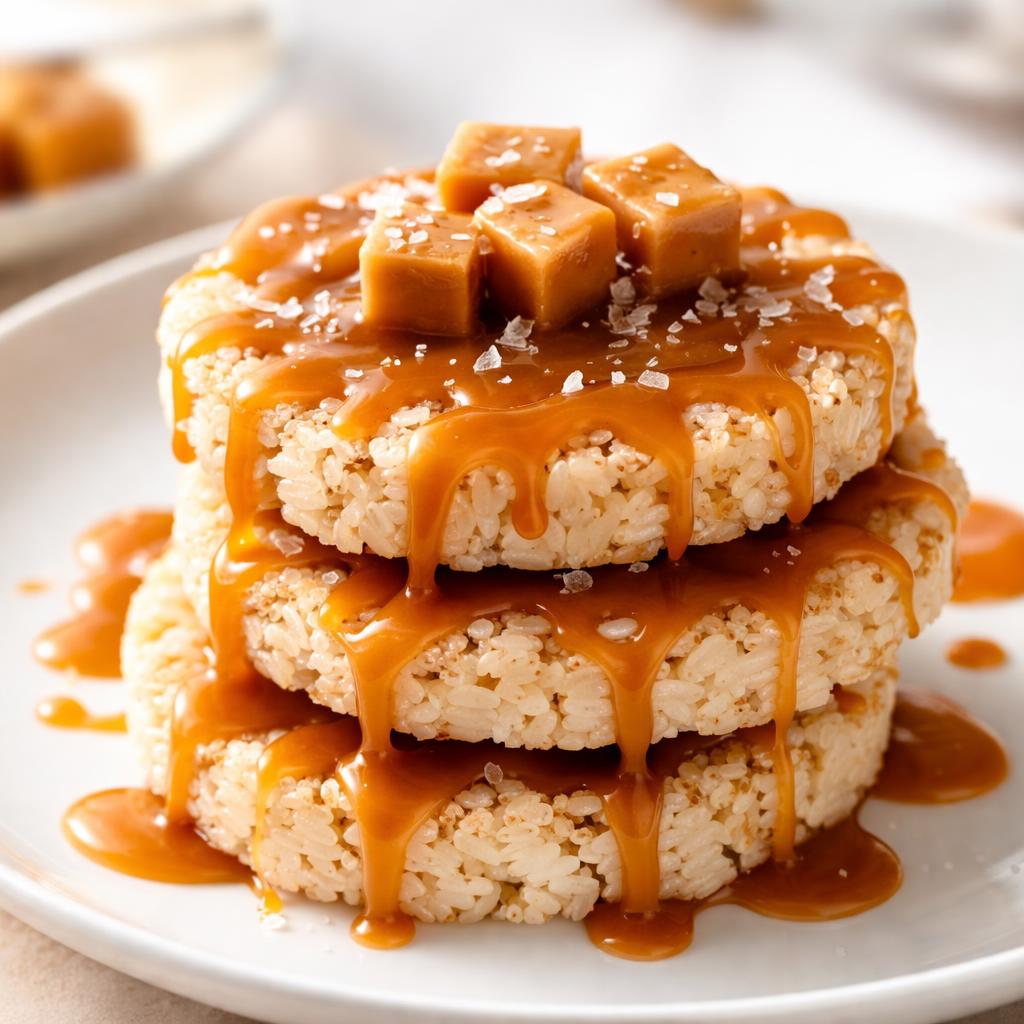
Caramel Rice Cake
🎯 Quick Verdict
Rice cakes are a lower-calorie option with slightly more fiber, while caramel rice cakes are higher in sugar and calories due to added caramel flavoring. Rice cakes provide a more neutral base, ideal for pairing with toppings, while caramel rice cakes offer a sweet snack without any additions.

Smart Nutrition Tracking with SnapCalorie

📊 Nutritional Comparison
Macronutrients
| Nutrient | Food 1 | Food 2 | Winner |
|---|---|---|---|
| Calories | 35 | 50 | ✓ |
| Protein | 1g | 1g | − |
| Carbs | 7g | 10g | ✓ |
| Fat | 0g | 1g | ✓ |
| Fiber | 0.5g | 0.3g | ✓ |
Vitamins & Minerals
| Nutrient | Food 1 | Food 2 | Winner |
|---|---|---|---|
| Vitamin D | 0mcg | 0mcg | − |
| Calcium | 0mg | 0mg | − |
| Iron | 0.1mg | 0.1mg | − |
🏆 Category Winners
Protein
Both foods contain 1g of protein per serving.
Fiber
Rice cakes offer slightly more fiber per serving (0.5g vs 0.3g).
Calories
Rice cakes are lower in calories, with 35 calories per serving compared to 50.
Vitamins
Neither food contains significant amounts of key vitamins or minerals.
🥗 Diet Compatibility
Keto
Food 1: Not Compatible
Food 2: Not Compatible
Both foods are higher in carbs and not suitable for keto diets.
Vegan
Food 1: Compatible
Food 2: Compatible
Both foods are plant-based and do not contain animal ingredients.
Gluten Free
Food 1: Compatible
Food 2: Compatible
Rice cakes (including caramel varieties) are naturally gluten-free unless stated otherwise.
Paleo
Food 1: Not Compatible
Food 2: Not Compatible
Rice cakes are made from processed rice grains, which are not considered paleo-friendly.
Low-Carb
Food 1: Not Compatible
Food 2: Not Compatible
Both foods contain moderate amounts of carbs (7g for food1 and 10g for food2).
💪 Health Benefits Comparison
Food 1 Benefits
- Low-calorie snack option for weight management
- Good source of simple carbohydrates for quick energy
- Neutral base for toppings, allowing flexibility in meal planning
Food 2 Benefits
- Provides a sweet option with controlled sugar content
- Quick, convenient source of energy
- May satisfy cravings for sweets without being overly caloric
✅ The Bottom Line
Rice cakes are the better choice for a lower-calorie, neutral snack that can be customized with healthy toppings. Caramel rice cakes, while higher in sugar and calories, are ideal for those looking for a sweet treat in controlled portions.
Choose Food 1 for: Weight management, flexible snack base, pairing with toppings like peanut butter or avocado
Choose Food 2 for: Quick sweet treat, satisfying minor sugar cravings without excessive calories


