Rice Cake VS Rice Cakes
A detailed nutritional comparison
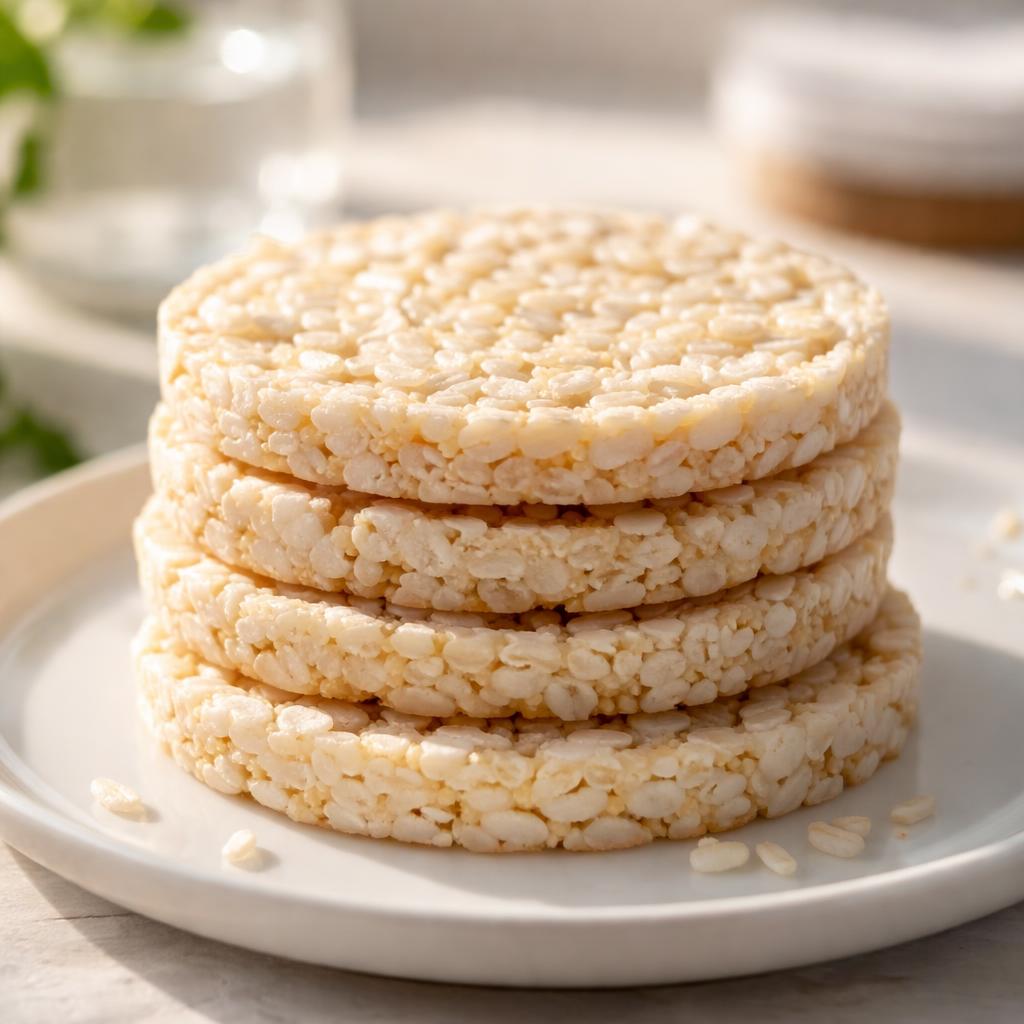
Rice Cake
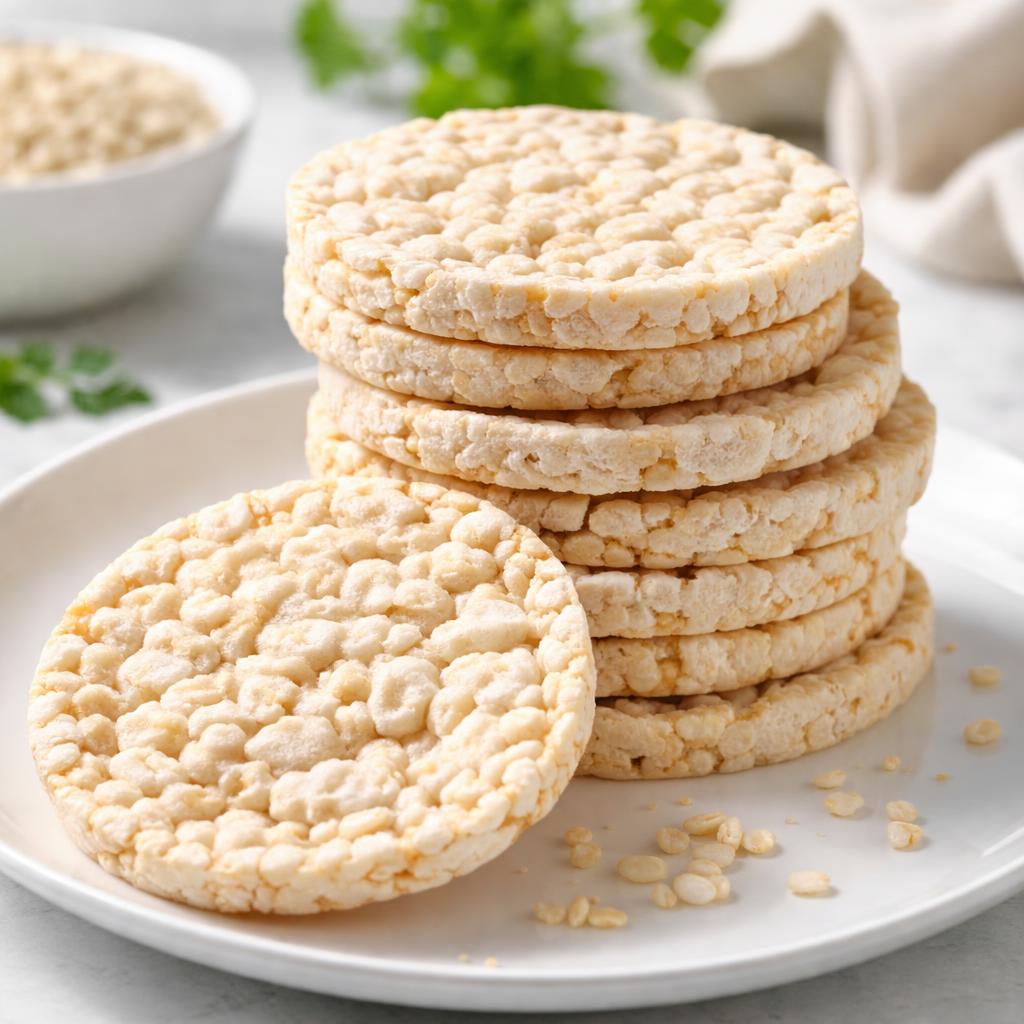
Rice Cakes
🎯 Quick Verdict
Rice cakes (single or multiple servings) have nearly identical nutritional profiles, typically offering very few calories, minimal protein, low fiber, and negligible fat or vitamins. They serve as a light snack and are best paired with nutrient-dense toppings to enhance their health benefits.

Smart Nutrition Tracking with SnapCalorie

📊 Nutritional Comparison
Macronutrients
| Nutrient | Food 1 | Food 2 | Winner |
|---|---|---|---|
| Calories | 35 | 35 (per cake) | − |
| Protein | 0.7g | 0.7g | − |
| Carbs | 7g | 7g | − |
| Fat | 0.3g | 0.3g | − |
| Fiber | 0.1g | 0.1g | − |
Vitamins & Minerals
| Nutrient | Food 1 | Food 2 | Winner |
|---|---|---|---|
| Vitamin D | 0mcg | 0mcg | − |
| Calcium | 0mg | 0mg | − |
| Iron | 0.1mg | 0.1mg | − |
🏆 Category Winners
Protein
Both options have minimal protein (0.7g per serving).
Fiber
Both foods contain very low fiber (0.1g per serving).
Calories
Calories are equivalent, with 35 per rice cake on average.
🥗 Diet Compatibility
Keto
Food 1: Not Compatible
Food 2: Not Compatible
Rice cakes are high in carbs (7g per serving) and unsuitable for keto diets.
Vegan
Food 1: Compatible
Food 2: Compatible
Rice cakes are plant-based and support vegan lifestyles.
Gluten Free
Food 1: Compatible
Food 2: Compatible
Rice cakes do not contain gluten but check for added flavorings.
Paleo
Food 1: Partially Compatible
Food 2: Partially Compatible
Rice cakes may be acceptable on some paleo diets, but they are a processed food.
Low Carb
Food 1: Not Compatible
Food 2: Not Compatible
Rice cakes have 7g of carbs, which is not suitable for low-carb diets.
💪 Health Benefits Comparison
Food 1 Benefits
- Light and low-calorie snack option
- Easy to digest and suitable for sensitive stomachs
- Can act as a base for nutrient-rich toppings
Food 2 Benefits
- Versatile snack that pairs well with proteins and fats
- Helps satisfy crunchy cravings with minimal calories
- Good for quick energy due to simple carbohydrates
✅ The Bottom Line
Rice cakes, whether referred to singularly or in multiples, are nutritionally identical on a per-cake basis. Choose them for a low-calorie, low-nutrient snack that can be customized with healthy toppings. They are best for light snacking rather than a significant source of nutrition.
Choose Food 1 for: Low-calorie snacking, easy digestion, pairing with healthy toppings
Choose Food 2 for: Portable snacking, satisfying crunchy cravings, pre-exercise energy boost


