Rice Cake VS Rice Cake With Peanut Butter
A detailed nutritional comparison
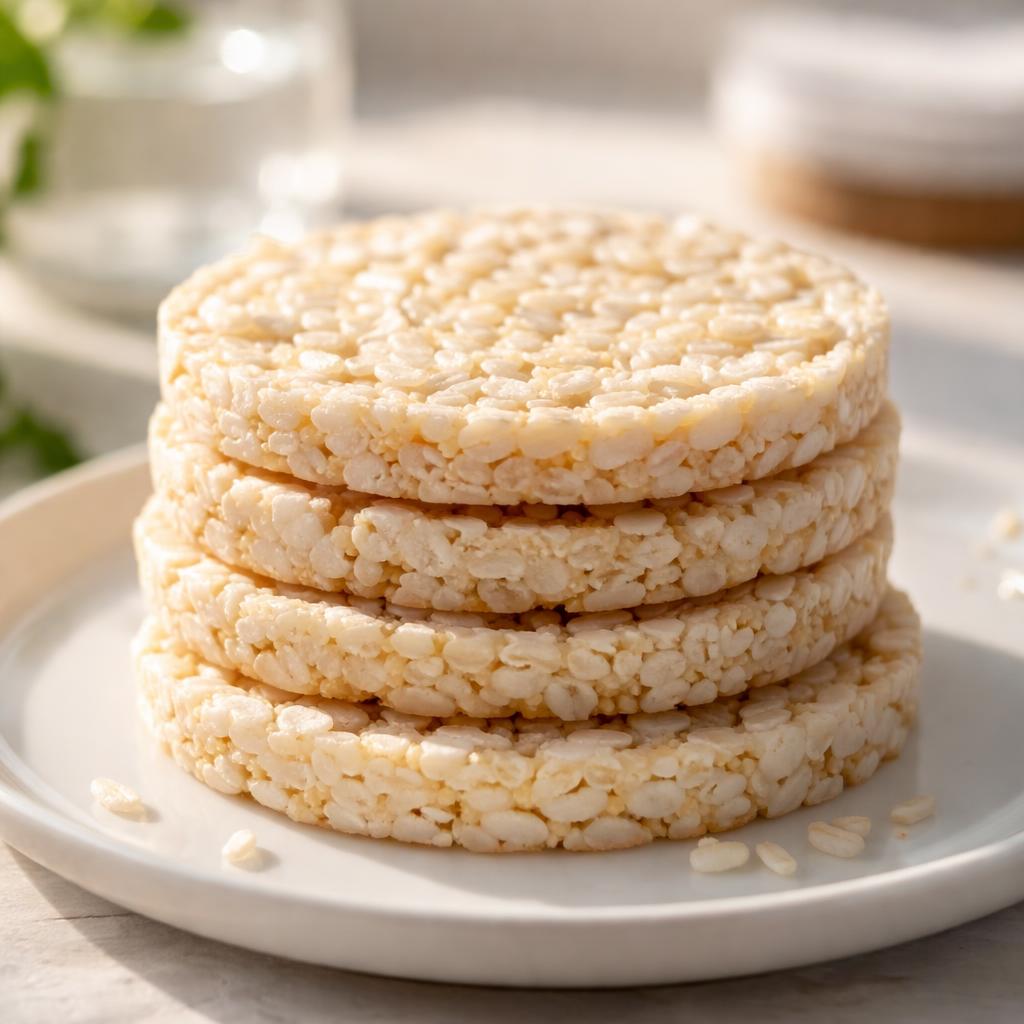
Rice Cake
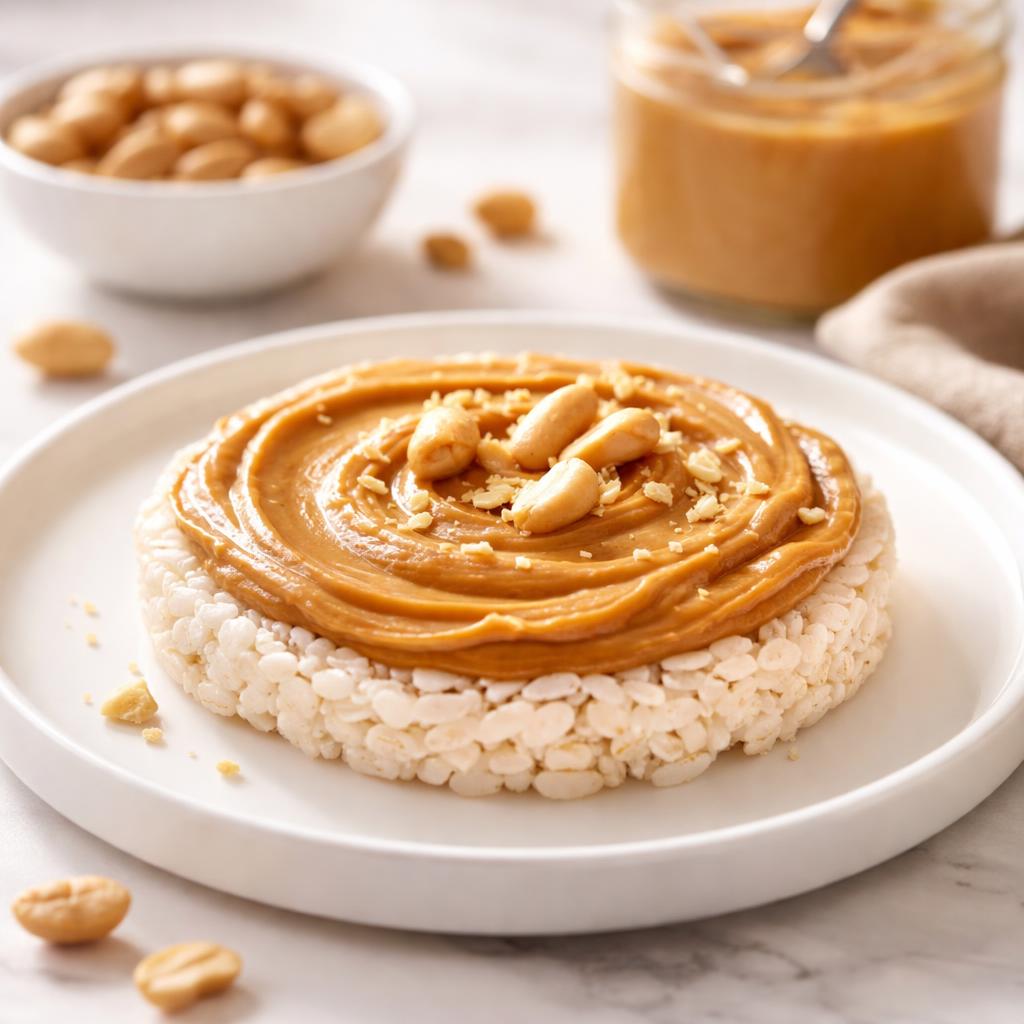
Rice Cake With Peanut Butter
🎯 Quick Verdict
Rice cakes provide a lighter, lower-calorie option, but adding peanut butter increases protein, fats, and fiber, making it a more nutrient-dense and satiating snack. Choose rice cakes for calorie control and peanut butter-topped rice cakes for sustained energy and better nutrient balance.

Smart Nutrition Tracking with SnapCalorie

📊 Nutritional Comparison
Macronutrients
| Nutrient | Food 1 | Food 2 | Winner |
|---|---|---|---|
| Calories | 35 | 135 | ✓ |
| Protein | 0.7g | 5.7g | ✓ |
| Carbs | 7g | 9g | ✓ |
| Fat | 0g | 11g | ✓ |
| Fiber | 0g | 2g | ✓ |
Vitamins & Minerals
| Nutrient | Food 1 | Food 2 | Winner |
|---|---|---|---|
| Vitamin D | 0mcg | 0mcg | − |
| Calcium | 0mg | 10mg | ✓ |
| Iron | 0mg | 0.6mg | ✓ |
🏆 Category Winners
Protein
Peanut butter provides significantly more protein than plain rice cakes.
Fiber
Peanut butter increases fiber content to 2g compared to 0g in plain rice cakes.
Calories
Rice cakes alone are much lower in calories (35 vs. 135).
🥗 Diet Compatibility
Keto
Food 1: Not Compatible
Food 2: Not Compatible
Both are relatively high in carbs, making them unsuitable for keto diets.
Vegan
Food 1: Compatible
Food 2: Compatible
Both foods are plant-based and free of animal products.
Gluten Free
Food 1: Compatible
Food 2: Compatible
Rice cakes and peanut butter are naturally gluten-free.
Paleo
Food 1: Compatible
Food 2: Not Compatible
Rice cakes are acceptable for strict paleo diets, but peanut butter (legume-based) is not.
Low-Carb
Food 1: Compatible
Food 2: Not Compatible
Rice cakes have fewer carbs (7g vs 9g), which may fit low-carb diets better, depending on individual limits.
💪 Health Benefits Comparison
Food 1 Benefits
- Low calorie for weight management
- Quick energy source with simple carbs
- Ideal for light, digestible snacks
Food 2 Benefits
- High protein content for muscle repair
- Provides healthy fats for long-lasting energy
- Increased fiber for better digestion
- Contains vitamins and minerals such as calcium and iron
✅ The Bottom Line
For weight control or a very light snack, plain rice cakes are an excellent choice. However, if you need a balanced, nutrient-dense snack that keeps you fuller for longer, rice cakes with peanut butter are a clear winner, especially for those focusing on protein or healthy fat intake.
Choose Food 1 for: Low-calorie snacks, quick energy fixes, weight management
Choose Food 2 for: High-energy snacks, muscle recovery, nutrient-dense snacking


