Rice Cake VS Plain Rice
A detailed nutritional comparison
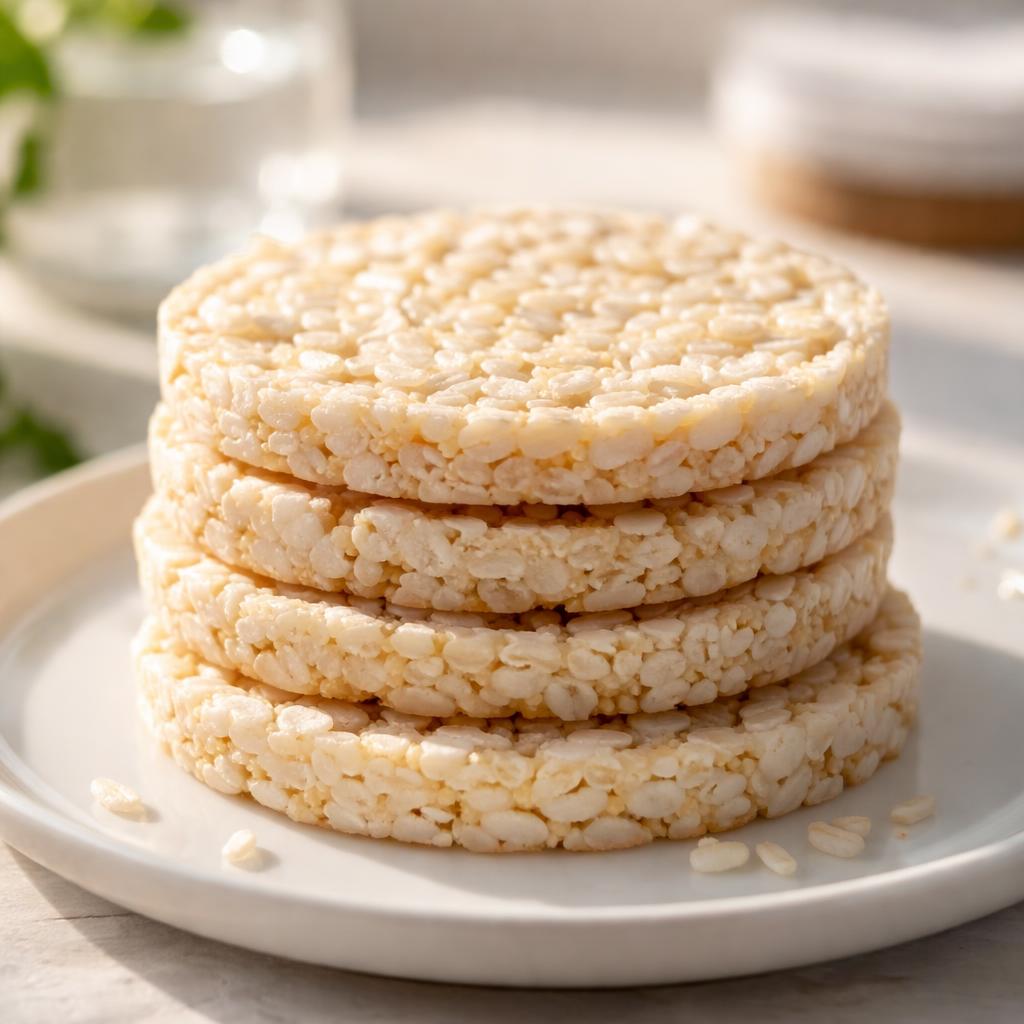
Rice Cake
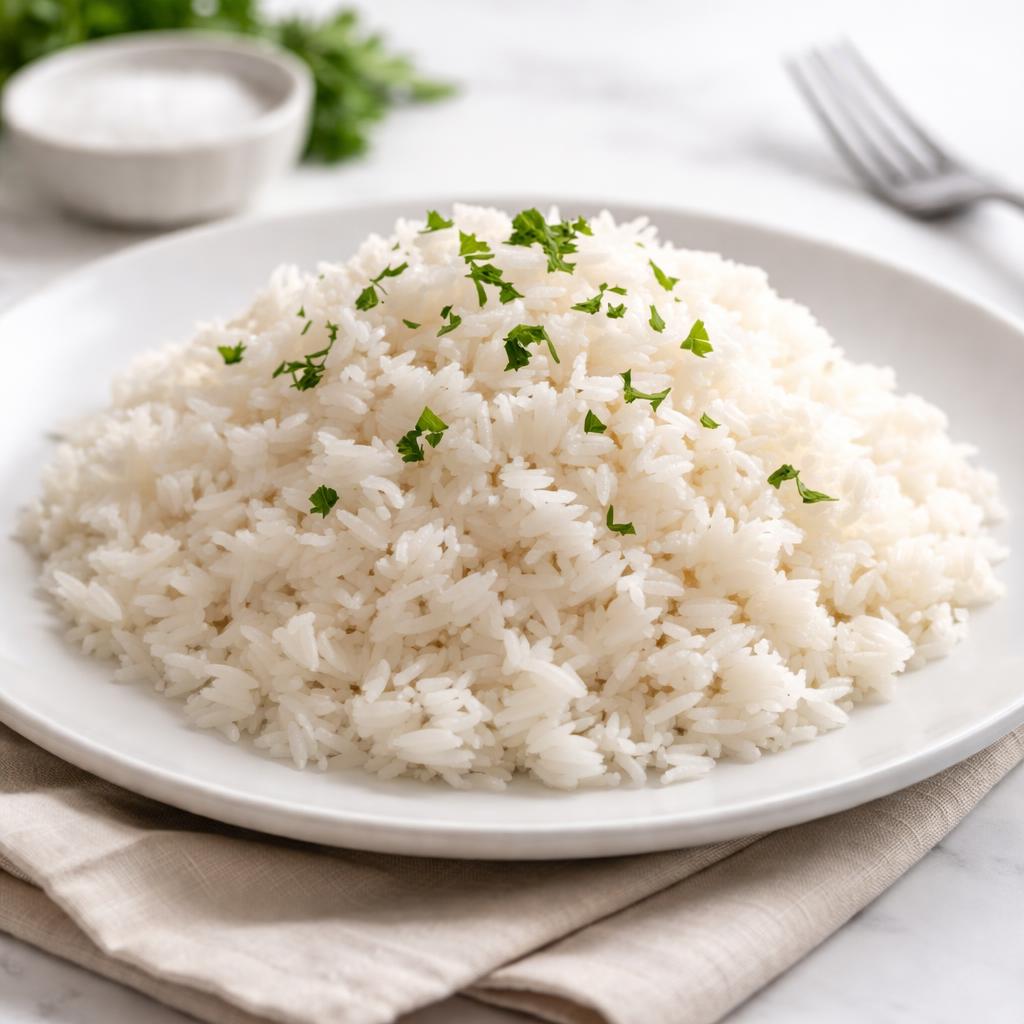
Plain Rice
🎯 Quick Verdict
Rice cakes are lower in calories, higher in protein, and contain slightly more fiber compared to plain rice. Plain rice, however, provides sustained energy due to its higher carbohydrate content and is better for nutrient-dense meals. Rice cakes are best used as a convenient, light snack, while rice serves as a filling main meal or side dish option.

Smart Nutrition Tracking with SnapCalorie

📊 Nutritional Comparison
Macronutrients
| Nutrient | Food 1 | Food 2 | Winner |
|---|---|---|---|
| Calories | 35 | 130 (per 100g cooked) | ✓ |
| Protein | 0.7g | 2.7g | ✓ |
| Carbs | 7g | 28g | ✓ |
| Fat | 0g | 0.3g | − |
| Fiber | 0.3g | 0.2g | ✓ |
Vitamins & Minerals
| Nutrient | Food 1 | Food 2 | Winner |
|---|---|---|---|
| Vitamin B6 | 0.05mg | 0.04mg | ✓ |
| Niacin | 0.4mg | 0.3mg | ✓ |
| Magnesium | 5mg | 12mg | ✓ |
🏆 Category Winners
Protein
Plain rice provides significantly more protein per serving.
Fiber
Rice cakes contain slightly more fiber.
Calories
Rice cakes have far fewer calories than plain rice per equivalent serving.
🥗 Diet Compatibility
Keto
Food 1: Not Compatible
Food 2: Not Compatible
Both foods are high-carb and unsuitable for keto.
Vegan
Food 1: Compatible
Food 2: Compatible
Both are plant-based foods.
Gluten Free
Food 1: Compatible
Food 2: Compatible
Both are naturally gluten-free.
Paleo
Food 1: Compatible
Food 2: Compatible
Both are minimally processed and fit paleo guidelines.
Low Carb
Food 1: Not Compatible
Food 2: Not Compatible
Both are high-carb and do not fit a low-carb diet.
💪 Health Benefits Comparison
Food 1 Benefits
- Low calorie, suitable for weight management.
- Light and convenient snack option.
- Low fat, good for heart health.
Food 2 Benefits
- Rich source of carbohydrates for energy.
- Provides magnesium, which supports muscle function.
- Easily digestible and gentle on the stomach.
✅ The Bottom Line
Choose rice cakes when looking for a low-calorie, light snack option, especially for weight management. Opt for plain rice when you need a filling, nutrient-dense meal rich in energy-providing carbohydrates.
Choose Food 1 for: Weight loss, snacking, calorie-conscious diets
Choose Food 2 for: Energy boost, sustained meal, side dishes for nutrient-packed meals


