Rice Cake VS Mixed Rice
A detailed nutritional comparison
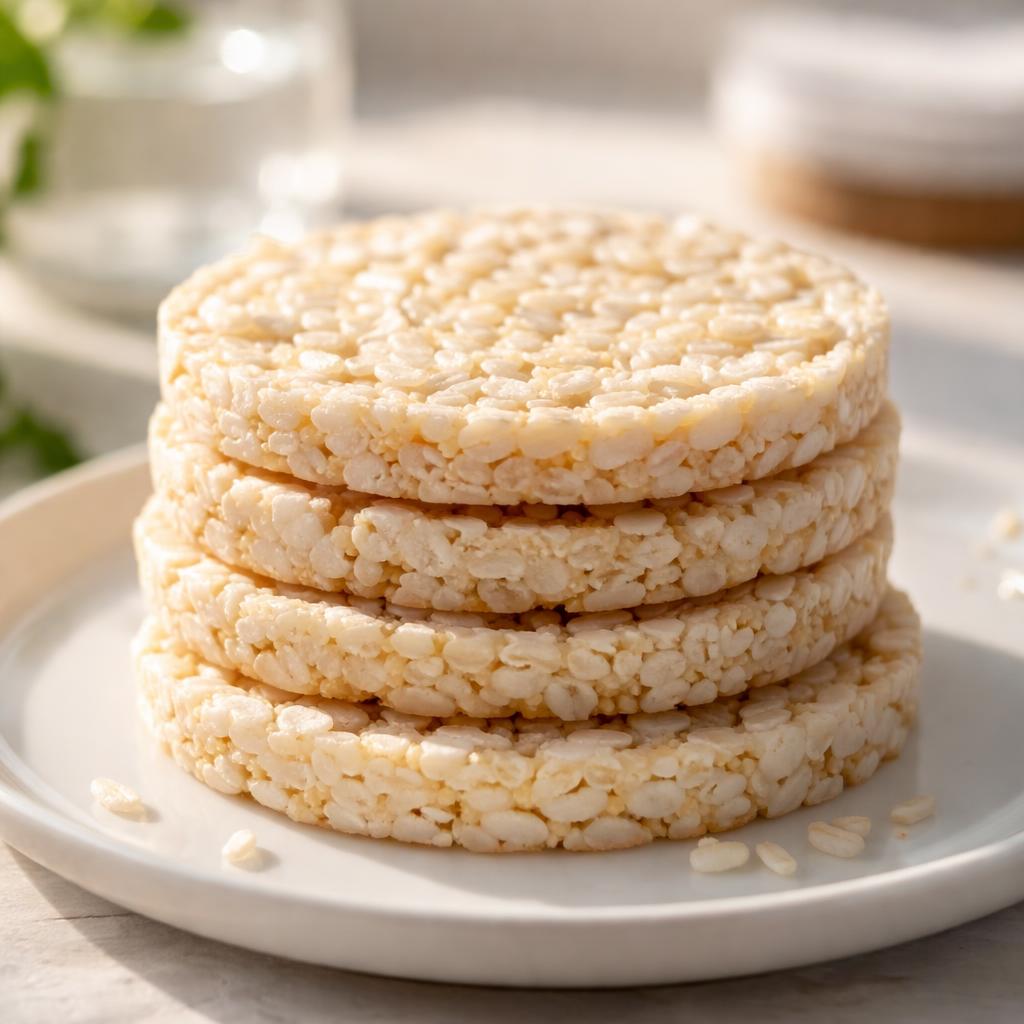
Rice Cake
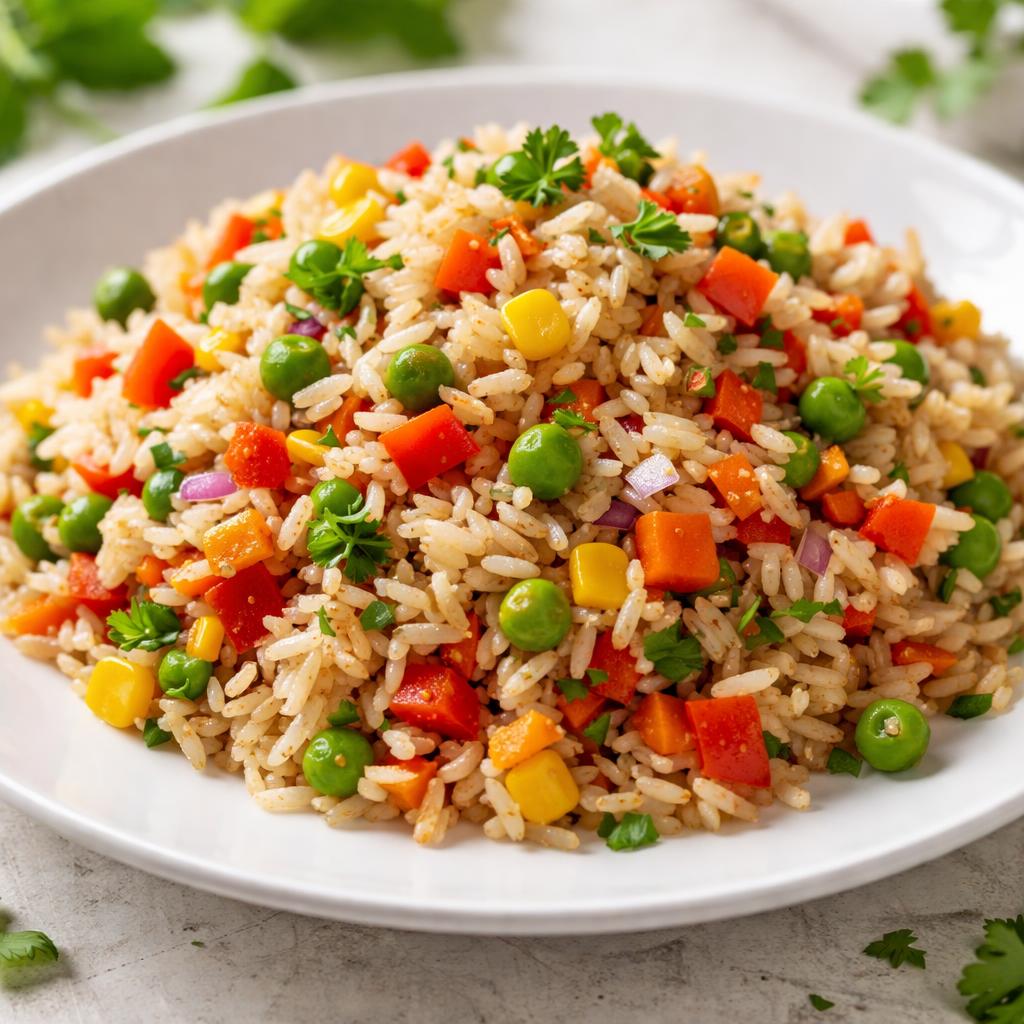
Mixed Rice
🎯 Quick Verdict
Rice cakes are a low-calorie snack with minimal nutrients, while mixed rice is a more nutrient-dense option rich in protein, fiber, and vitamins. Choose rice cakes for a light snack or weight loss, and mixed rice for balanced energy and longer satiety, particularly in meals requiring more substance.

Smart Nutrition Tracking with SnapCalorie

📊 Nutritional Comparison
Macronutrients
| Nutrient | Food 1 | Food 2 | Winner |
|---|---|---|---|
| Calories | 35 | 160 | ✓ |
| Protein | 0.7g | 4g | ✓ |
| Carbs | 7g | 35g | ✓ |
| Fat | 0g | 0.5g | ✓ |
| Fiber | 0.1g | 2g | ✓ |
Vitamins & Minerals
| Nutrient | Food 1 | Food 2 | Winner |
|---|---|---|---|
| Vitamin D | 0mcg | 0mcg | − |
| Calcium | 0mg | 2mg | ✓ |
| Iron | 0.1mg | 1.2mg | ✓ |
🏆 Category Winners
Protein
Mixed rice contains over 5x more protein per serving.
Fiber
Mixed rice offers significantly higher fiber content, promoting digestion.
Calories
Rice cakes have significantly fewer calories, making them ideal for low-calorie diets or snacks.
Vitamins
Mixed rice offers more iron and calcium, enhancing its nutritional profile.
🥗 Diet Compatibility
Keto
Food 1: Not Compatible
Food 2: Not Compatible
Both options are high-carb and unsuitable for keto diets.
Vegan
Food 1: Compatible
Food 2: Compatible
Both foods are plant-based and vegan-friendly.
Gluten Free
Food 1: Compatible
Food 2: Compatible
Neither food contains gluten; safe for gluten-free diets.
Paleo
Food 1: Compatible
Food 2: Compatible
Both are whole-food carbohydrates suitable for paleo diets.
Low Carb
Food 1: Compatible
Food 2: Not Compatible
Rice cakes are low-carb, while mixed rice is high-carb and not suitable for low-carb diets.
💪 Health Benefits Comparison
Food 1 Benefits
- Low in calories, ideal for weight management
- Easy-to-digest, light snack option
- Offers quick energy from simple carbs
Food 2 Benefits
- Provides sustained energy from complex carbohydrates
- Rich in fiber to support digestive health
- Contains protein to help with muscle repair and satiety
- Offers trace minerals like iron for oxygen transport in blood
✅ The Bottom Line
Choose rice cakes if you're looking for a low-calorie snack or following a low-carb diet. Opt for mixed rice when you need a nutrient-dense meal with fiber, protein, and essential minerals for sustained energy.
Choose Food 1 for: Light snack, low-calorie diets, weight management
Choose Food 2 for: Balanced meals, sustained energy, nutrient density


