Ramen Noodles VS Wonton Noodles
A detailed nutritional comparison
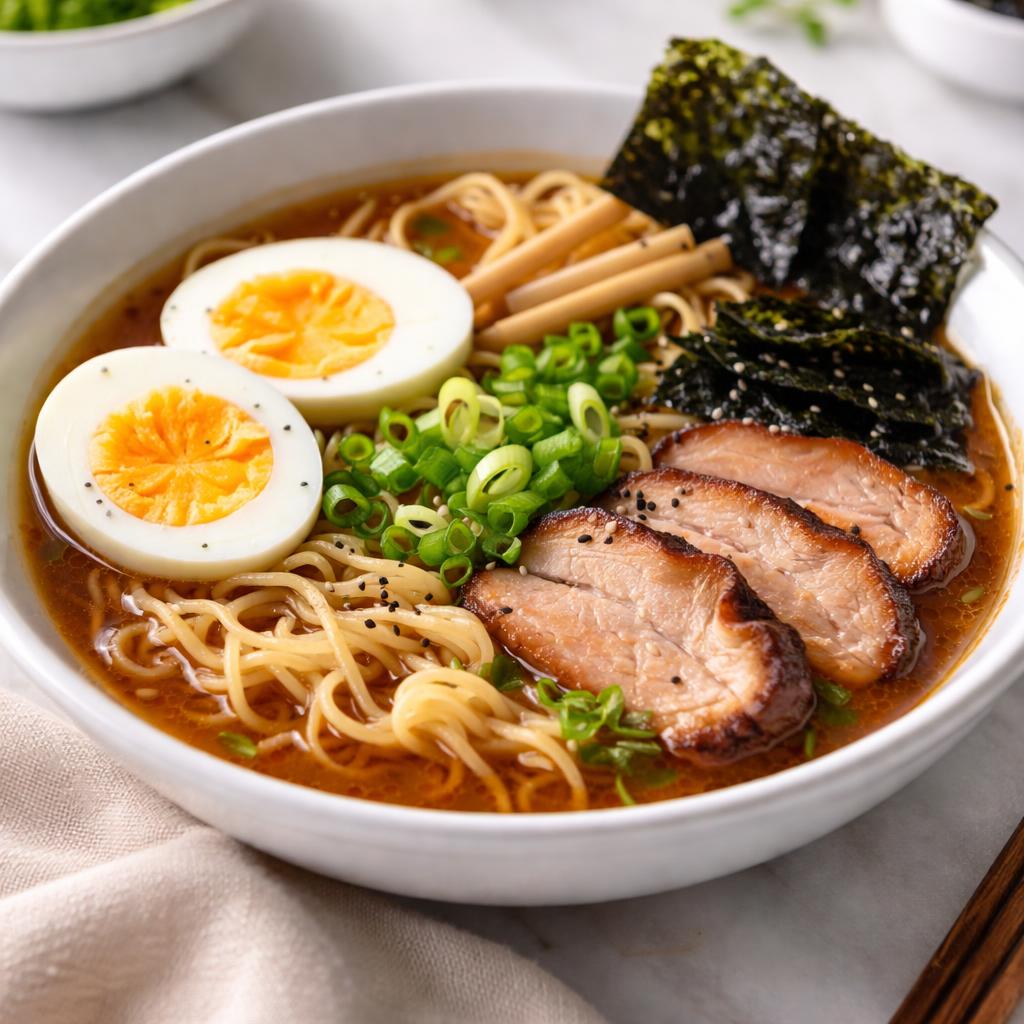
Ramen Noodles
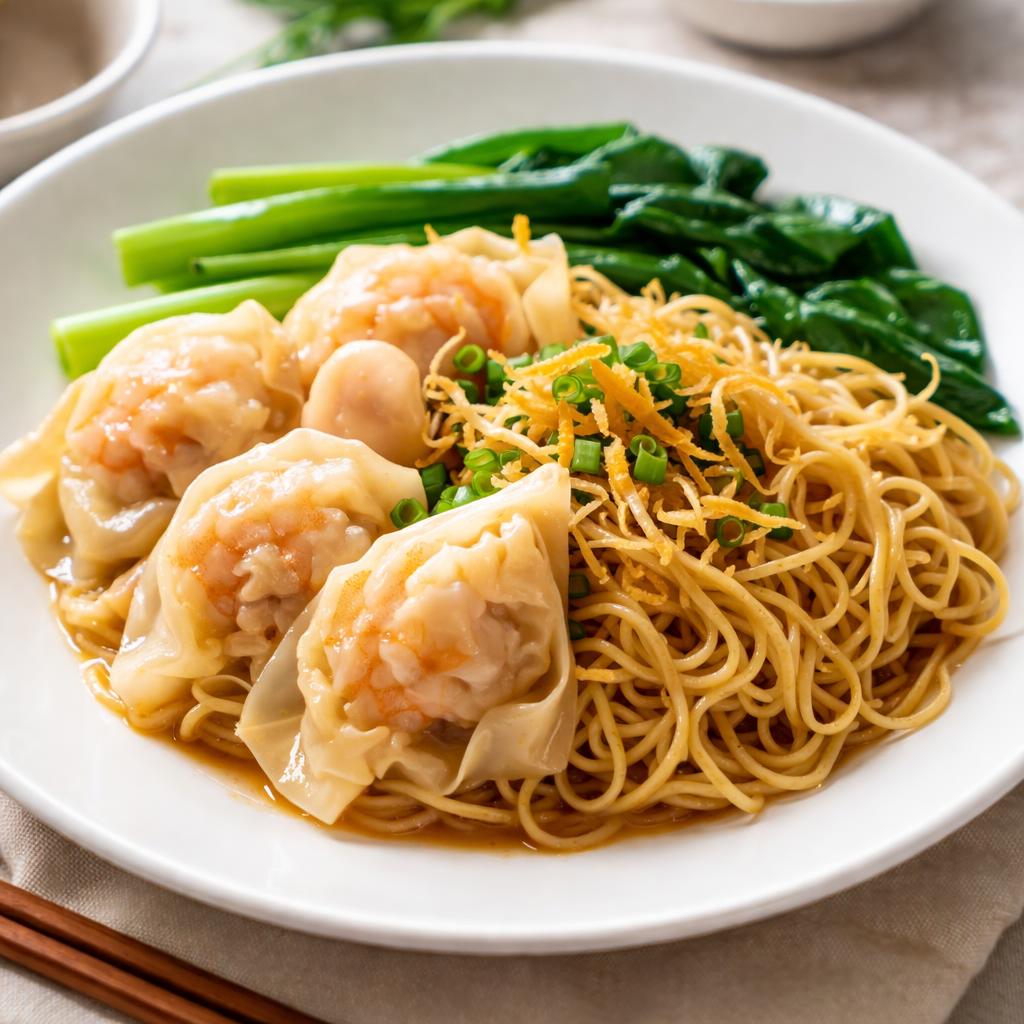
Wonton Noodles
🎯 Quick Verdict
While both ramen noodles and wonton noodles are versatile options in Asian cuisine, wonton noodles are the healthier choice overall due to their lower calorie count, higher protein, and fiber content. Ramen noodles are better for quick, budget-friendly meals but often contain more sodium and fewer nutrients compared to wonton noodles.

Smart Nutrition Tracking with SnapCalorie

📊 Nutritional Comparison
Macronutrients
| Nutrient | Food 1 | Food 2 | Winner |
|---|---|---|---|
| Calories | 190 kcal | 150 kcal | ✓ |
| Protein | 5g | 8g | ✓ |
| Carbs | 27g | 29g | ✓ |
| Fat | 7g | 3g | ✓ |
| Fiber | 1g | 2g | ✓ |
Vitamins & Minerals
| Nutrient | Food 1 | Food 2 | Winner |
|---|---|---|---|
| Vitamin D | 0mcg | 0mcg | − |
| Calcium | 8mg | 10mg | ✓ |
| Iron | 0.9mg | 1.2mg | ✓ |
🏆 Category Winners
Protein
Wonton noodles contain 60% more protein per serving compared to ramen noodles.
Fiber
Wonton noodles have double the fiber content of ramen noodles.
Calories
Wonton noodles are 21% lower in calories.
Vitamins
Wonton noodles slightly outperform ramen noodles in calcium and iron content.
🥗 Diet Compatibility
Keto
Food 1: Not Compatible
Food 2: Not Compatible
Both foods are high in carbohydrates.
Vegan
Food 1: Depends (if made without egg)
Food 2: Depends (if made without egg)
Standard recipes may include egg ingredients, but vegan options can be made.
Gluten Free
Food 1: Not Compatible
Food 2: Not Compatible
Both are made with wheat flour and contain gluten.
Paleo
Food 1: Not Compatible
Food 2: Not Compatible
Neither aligns with paleo principles due to processed wheat flour.
Low-Carb
Food 1: Not Compatible
Food 2: Not Compatible
Both are high in carbohydrates, with over 25g per serving.
💪 Health Benefits Comparison
Food 1 Benefits
- Affordable and quick option for a filling meal
- Source of quick energy due to high carb content
- Can be paired with vegetables and protein for added nutrients
Food 2 Benefits
- Higher protein content supports muscle repair and maintenance
- Lower fat and calorie levels make it suitable for lighter meals
- Provides more fiber for better digestion
✅ The Bottom Line
Wonton noodles are the better choice if you're looking for a more nutrient-dense, lower-calorie option that provides higher protein and fiber. Ramen noodles are a convenient and budget-friendly choice, but may lack the nutritional depth of wonton noodles and can be high in sodium.
Choose Food 1 for: Budget-conscious meals, quick fixes, carb-heavy diets
Choose Food 2 for: Healthier noodle-based meals, lean protein diets, digestion support


