Ramen Noodles VS Shirataki Noodles
A detailed nutritional comparison
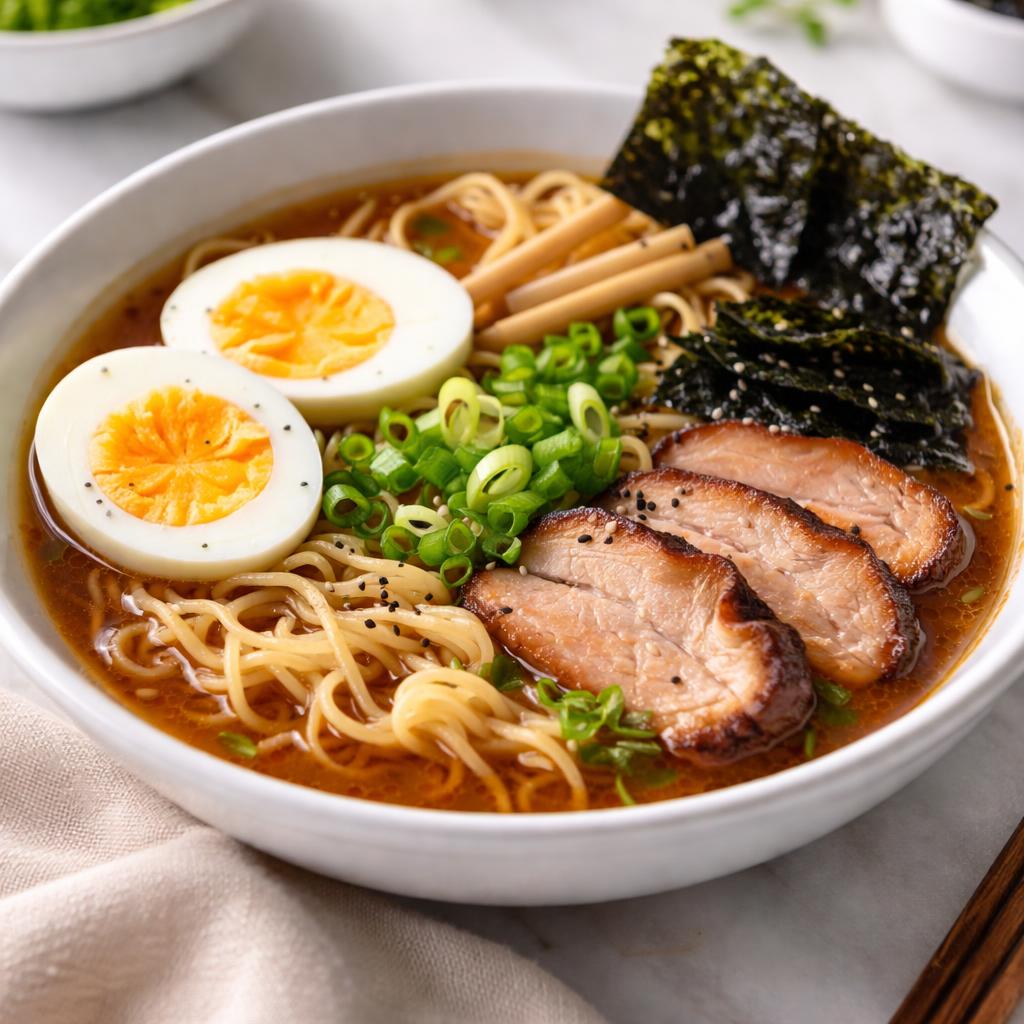
Ramen Noodles
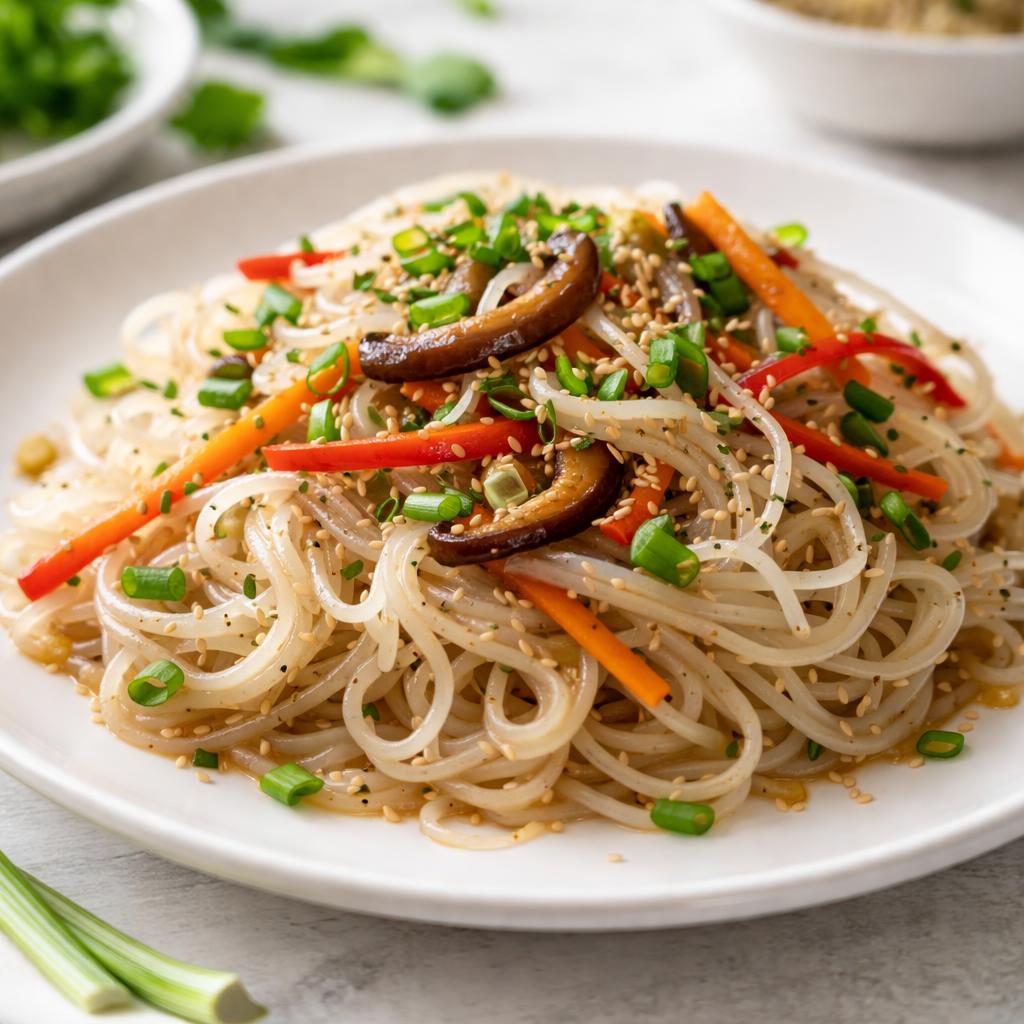
Shirataki Noodles
🎯 Quick Verdict
Ramen noodles are higher in calories and protein but lack significant fiber and contain more carbs. Shirataki noodles, on the other hand, are ultra-low-calorie, low-carb, and provide a good source of fiber, making them ideal for weight management and keto diets. Use ramen for traditional meals and shirataki for health-focused, low-carb recipes.

Smart Nutrition Tracking with SnapCalorie

📊 Nutritional Comparison
Macronutrients
| Nutrient | Food 1 | Food 2 | Winner |
|---|---|---|---|
| Calories | 190 per cup | 10 per cup | ✓ |
| Protein | 4g | 0g | ✓ |
| Carbs | 27g | 3g | ✓ |
| Fat | 7g | 0g | ✓ |
| Fiber | 1g | 2g | ✓ |
Vitamins & Minerals
| Nutrient | Food 1 | Food 2 | Winner |
|---|---|---|---|
| Vitamin D | 0mcg | 0mcg | − |
| Calcium | 20mg | 15mg | ✓ |
| Iron | 1.6mg | 0.4mg | ✓ |
🏆 Category Winners
Protein
Ramen noodles contain 4g of protein per cup whereas shirataki noodles contain none.
Fiber
Shirataki noodles have double the fiber content per serving compared to ramen noodles.
Calories
Shirataki noodles are extremely low in calories, providing only 10 calories per cup compared to 190 for ramen noodles.
Vitamins
Ramen offers slightly more calcium and iron per serving than shirataki noodles.
🥗 Diet Compatibility
Keto
Food 1: Not Compatible
Food 2: Compatible
Shirataki noodles are very low in carbs (3g per cup), unlike ramen, which contains 27g per cup.
Vegan
Food 1: Compatible
Food 2: Compatible
Both are plant-based and free from animal-derived ingredients.
Gluten Free
Food 1: Not Compatible
Food 2: Compatible
Ramen noodles usually contain wheat gluten, while shirataki noodles are made from konjac flour (naturally gluten-free).
Paleo
Food 1: Not Compatible
Food 2: Compatible
Shirataki noodles are minimally processed and fit Paleo guidelines, whereas ramen is heavily processed and grain-based.
Low-Carb
Food 1: Not Compatible
Food 2: Compatible
Shirataki noodles contain only 3g of carbs per serving compared to 27g for ramen noodles.
💪 Health Benefits Comparison
Food 1 Benefits
- Provides moderate protein for energy and satiety.
- Contains iron for oxygen transport in the body.
- Quick and convenient meal option, particularly for busy schedules.
Food 2 Benefits
- Ultra-low calorie option for weight management.
- Rich in fiber to support digestive health and satiety.
- Very low in carbs, aligning well with ketogenic and low-carb diets.
- Gluten-free and grain-free for improved dietary inclusivity.
✅ The Bottom Line
Ramen noodles are better suited for comfort food and traditional recipes but are higher in calories, carbs, and gluten, which may not suit all dietary needs. Shirataki noodles are ideal for those following weight loss, low-carb, or gluten-free diets due to their minimal calorie and carb content while providing a moderate amount of fiber.
Choose Food 1 for: Traditional meals, quick comfort food, moderate protein intake
Choose Food 2 for: Low-carb diets, weight management, gluten-free and keto-friendly recipes


