Ramen Noodles VS Protein Pasta
A detailed nutritional comparison
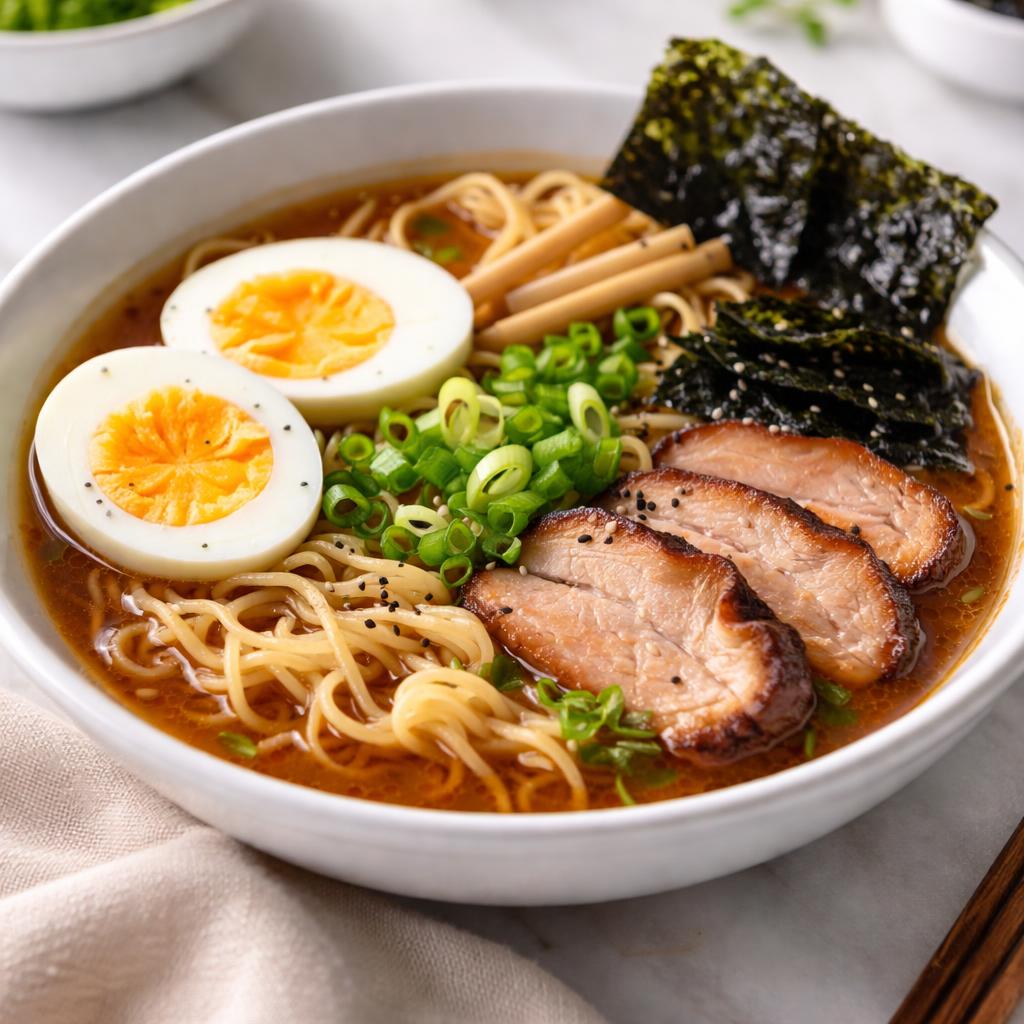
Ramen Noodles
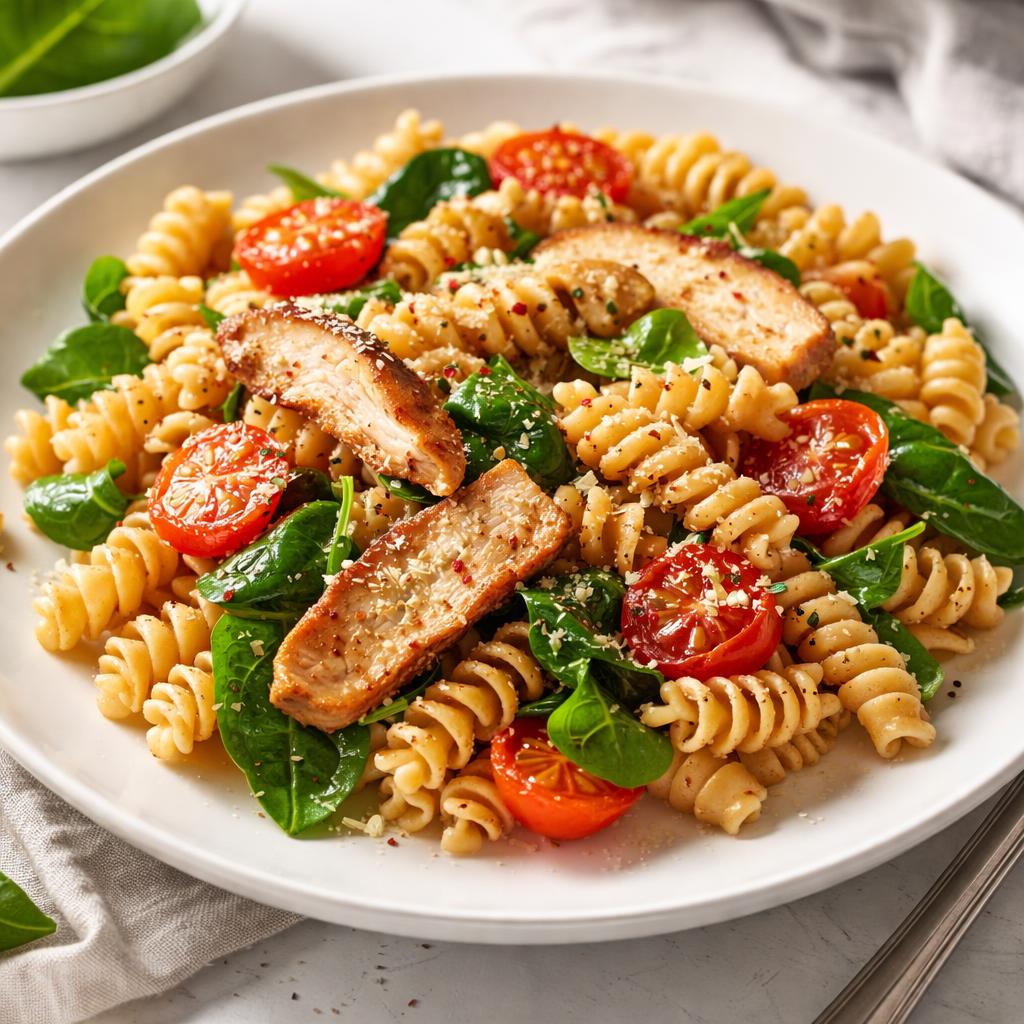
Protein Pasta
🎯 Quick Verdict
Protein pasta outperforms ramen noodles nutritionally, offering significantly more protein and fiber with fewer calories and carbohydrates per serving. Ramen noodles are higher in calories and carbs and lack substantial protein or fiber, making them less suitable for weight-conscious or high-protein diets. Protein pasta is ideal for balanced meals focused on muscle building and sustained energy.

Smart Nutrition Tracking with SnapCalorie

📊 Nutritional Comparison
Macronutrients
| Nutrient | Food 1 | Food 2 | Winner |
|---|---|---|---|
| Calories | 290 | 200 | ✓ |
| Protein | 6g | 20g | ✓ |
| Carbs | 45g | 35g | ✓ |
| Fat | 11g | 3g | ✓ |
| Fiber | 2g | 12g | ✓ |
Vitamins & Minerals
| Nutrient | Food 1 | Food 2 | Winner |
|---|---|---|---|
| Vitamin D | 0mcg | 2mcg | ✓ |
| Calcium | 20mg | 150mg | ✓ |
| Iron | 2mg | 3mg | ✓ |
🏆 Category Winners
Protein
Protein pasta has over 3x more protein than ramen noodles.
Fiber
Protein pasta delivers 6x more fiber, supporting digestive health.
Calories
Protein pasta has 90 fewer calories per serving.
Vitamins
Protein pasta contains higher levels of Calcium and Iron, along with Vitamin D.
🥗 Diet Compatibility
Keto
Food 1: Not Compatible
Food 2: Not Compatible
Both are high in carbs, unsuitable for keto diets.
Vegan
Food 1: Compatible
Food 2: Compatible
Both foods can be vegan, depending on preparation.
Gluten Free
Food 1: Not Compatible
Food 2: Potentially Compatible
Ramen contains gluten; some protein pastas use gluten-free ingredients.
Paleo
Food 1: Not Compatible
Food 2: Not Compatible
Neither aligns with paleo standards due to grain-based ingredients.
Low Carb
Food 1: Not Compatible
Food 2: Moderately Compatible
Protein pasta is moderately lower in carbs compared to ramen but not strictly low-carb.
💪 Health Benefits Comparison
Food 1 Benefits
- Quick source of energy due to high carbs
- Convenient and easy to prepare
- Contains Iron for basic nutritional support
Food 2 Benefits
- High in protein to support muscle growth and repair
- Rich in fiber for improved digestion and satiety
- Contains Calcium and Vitamin D for bone health
- Lower in calories for weight management
✅ The Bottom Line
Protein pasta is the better choice nutritionally, especially for those aiming to build muscle, improve digestion, or manage weight. Ramen noodles are better for quick, inexpensive meals but lack the nutritional density of protein pasta.
Choose Food 1 for: Quick meals, occasional indulgence
Choose Food 2 for: Balanced nutrition, muscle building, weight management


