Ramen Noodles VS Fried Noodles
A detailed nutritional comparison
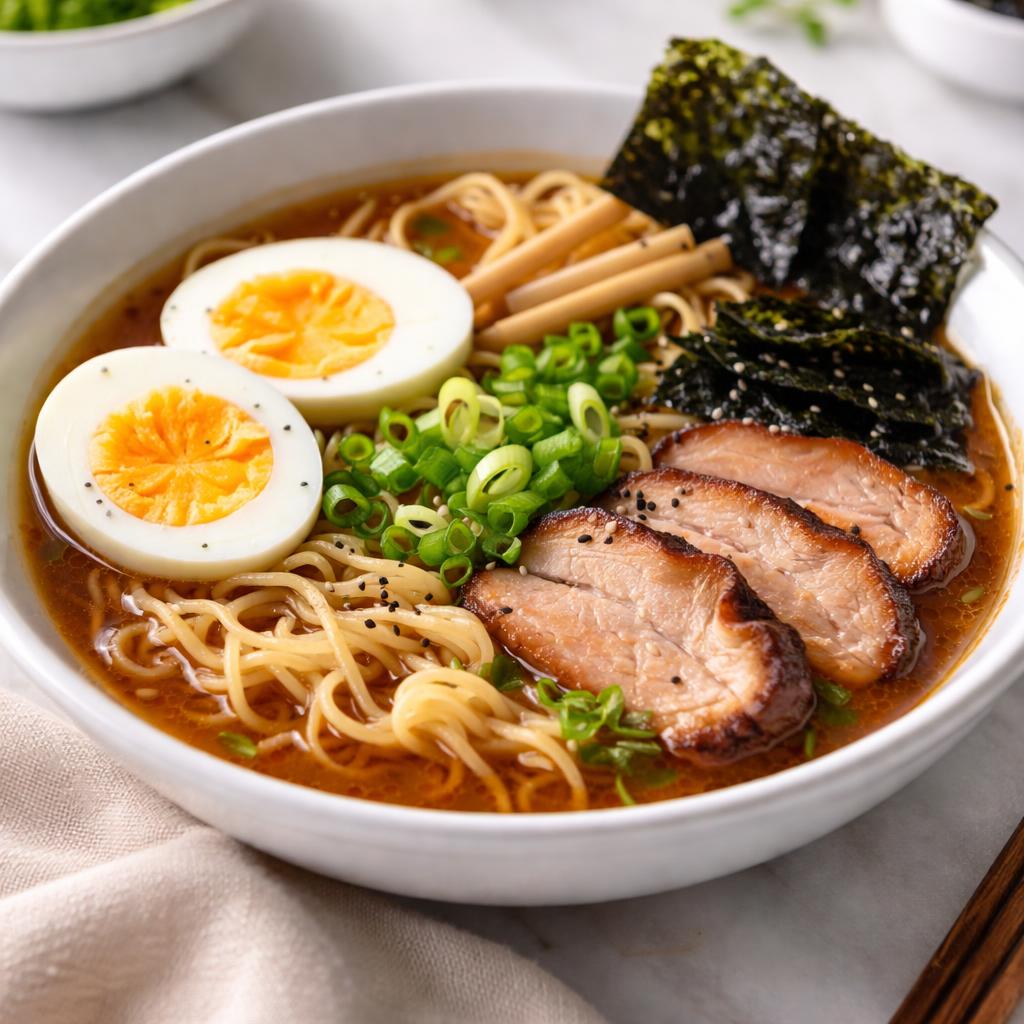
Ramen Noodles
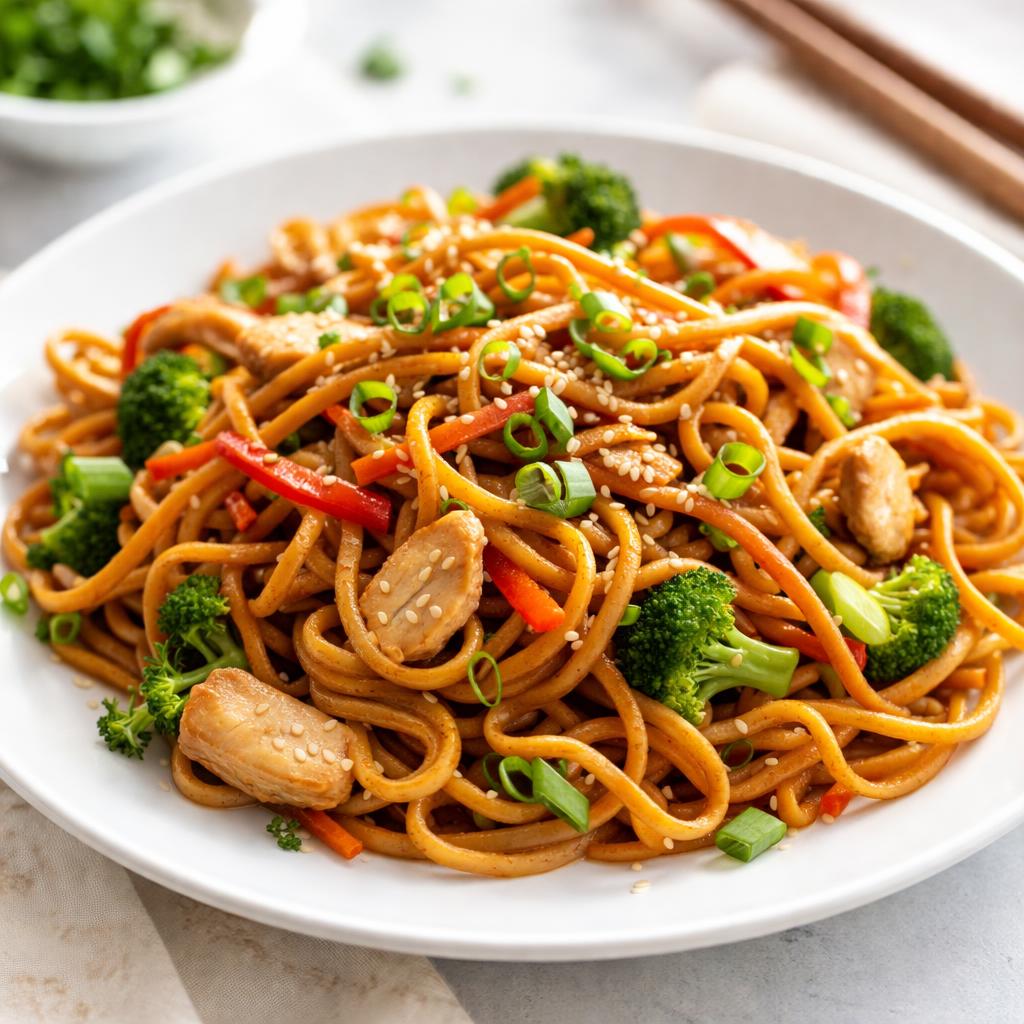
Fried Noodles
🎯 Quick Verdict
Ramen noodles are lower in calories and fats compared to fried noodles, making them a lighter option. Fried noodles provide more fiber and vitamins due to added vegetables and healthier oils. Both offer moderate protein but differ in their overall health profiles, with fried noodles potentially offering more nutritional diversity and energy density.

Smart Nutrition Tracking with SnapCalorie

📊 Nutritional Comparison
Macronutrients
| Nutrient | Food 1 | Food 2 | Winner |
|---|---|---|---|
| Calories | 190 | 300 | ✓ |
| Protein | 4g | 4g | − |
| Carbs | 27g | 35g | ✓ |
| Fat | 7g | 15g | ✓ |
| Fiber | 1g | 3g | ✓ |
Vitamins & Minerals
| Nutrient | Food 1 | Food 2 | Winner |
|---|---|---|---|
| Vitamin A | 0IU | 200IU | ✓ |
| Vitamin C | 0mg | 2mg | ✓ |
| Iron | 1.5mg | 2mg | ✓ |
🏆 Category Winners
Protein
Both foods provide similar protein levels per serving (4g).
Fiber
Fried noodles typically include added vegetables, increasing fiber content by 200%.
Calories
Ramen noodles are 37% lower in calories per serving compared to fried noodles.
🥗 Diet Compatibility
Keto
Food 1: Not Compatible
Food 2: Not Compatible
Both are high in carbs, making them unsuitable for keto diets.
Vegan
Food 1: Compatible
Food 2: Compatible
Both can be vegan when prepared without animal-derived ingredients.
Gluten Free
Food 1: Not Compatible
Food 2: Not Compatible
Both contain wheat-based noodles, making them unsuitable for gluten-free diets.
Paleo
Food 1: Not Compatible
Food 2: Not Compatible
Neither food aligns with paleo principles due to processed grains.
Low-Carb
Food 1: Not Compatible
Food 2: Not Compatible
Both foods are high in carbs, exceeding low-carb dietary limits.
💪 Health Benefits Comparison
Food 1 Benefits
- Lower in calories, suitable for calorie-conscious diets
- Quick and convenient meal option
- Contains simple carbs for quick energy
Food 2 Benefits
- Higher fiber content for better digestion
- Includes vitamins from added vegetables
- Provides sustained energy due to higher fat and carb content
✅ The Bottom Line
Ramen noodles are an option for those looking for a low-calorie, quick meal, but they may lack significant nutritional diversity. Fried noodles, on the other hand, provide more fiber, vitamins, and a heartier meal profile, making them better for energy-intensive days and nutrient-dense diets.
Choose Food 1 for: Quick, low-calorie meals, budget-friendly options
Choose Food 2 for: Hearty meals, fiber-rich diets, energy recovery


