Quinoa VS Rice Cake
A detailed nutritional comparison
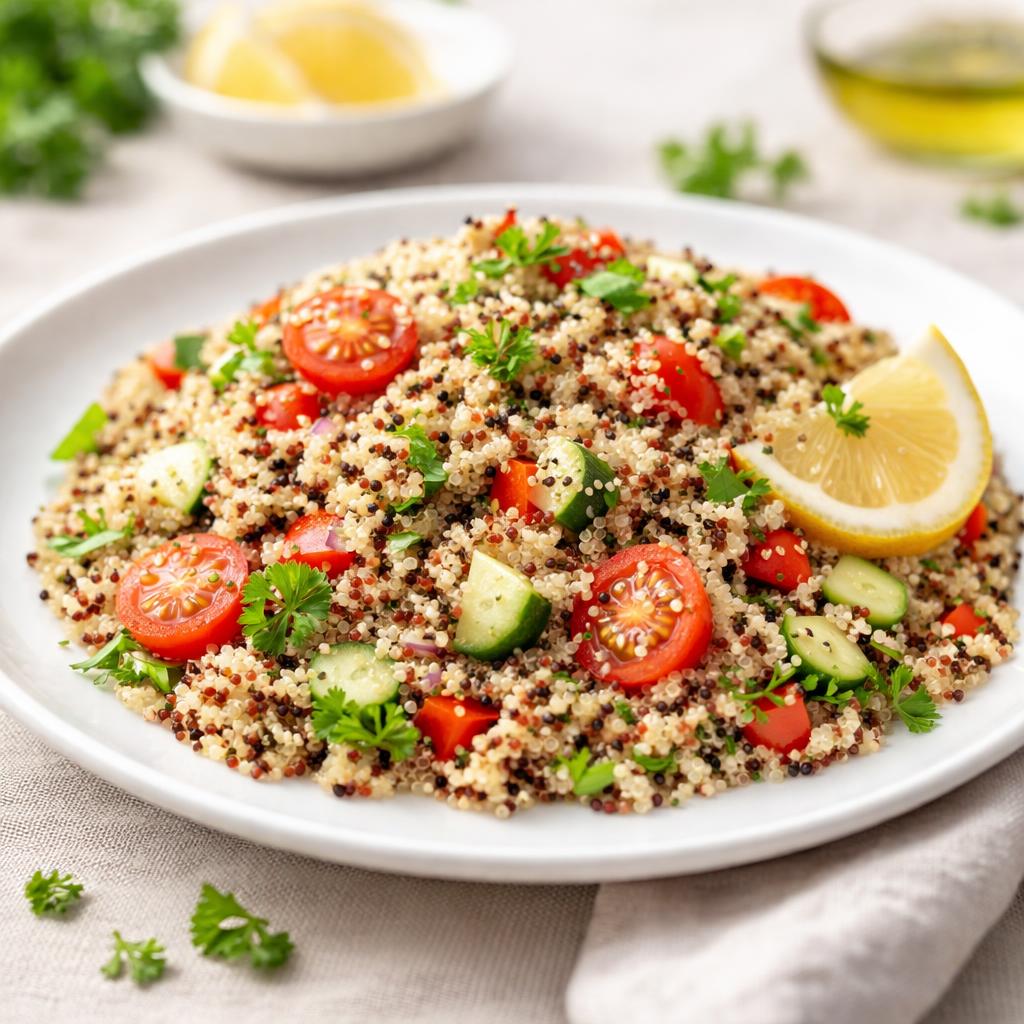
Quinoa
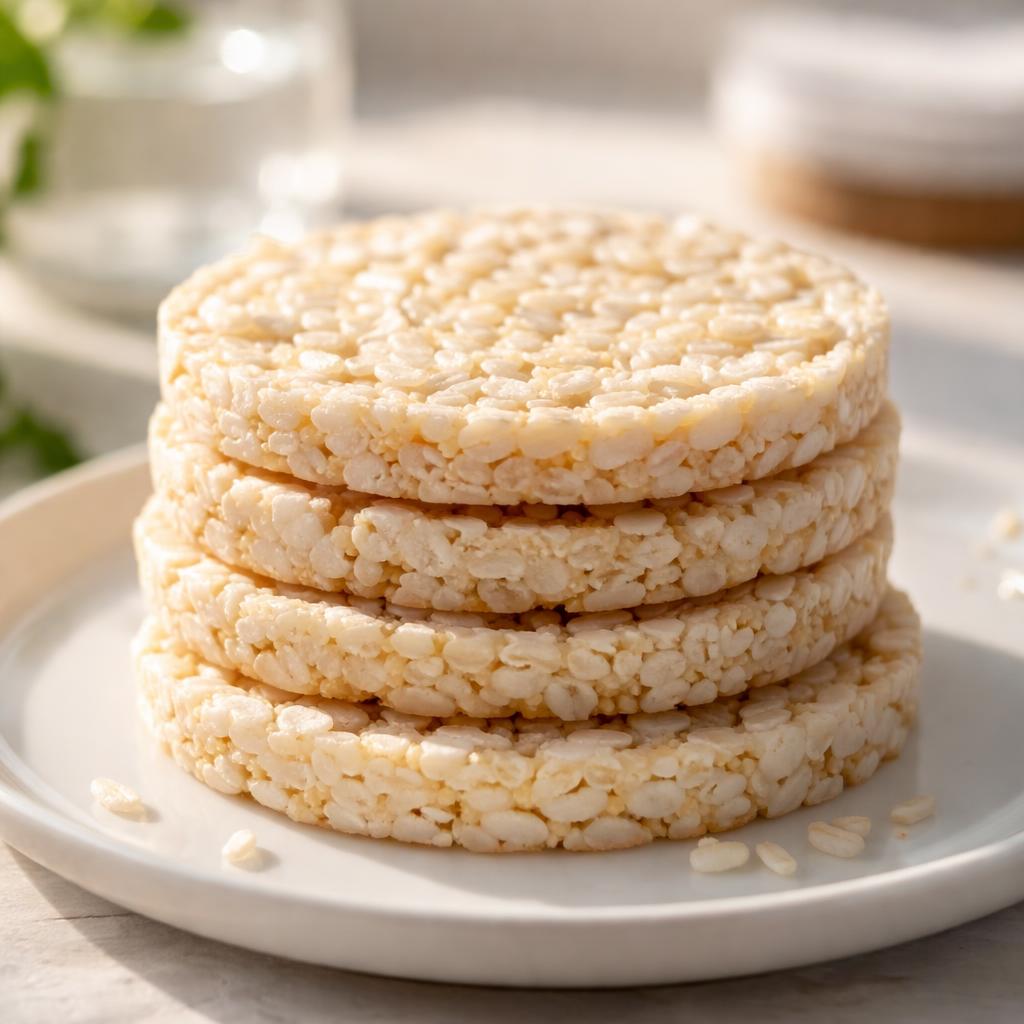
Rice Cake
🎯 Quick Verdict
Quinoa outshines rice cakes in nutrition by offering significantly more protein, fiber, and essential vitamins and minerals, making it ideal for balanced meals. Rice cakes are lower in calories and better suited for lighter snacks or low-calorie diets.

Smart Nutrition Tracking with SnapCalorie

📊 Nutritional Comparison
Macronutrients
| Nutrient | Food 1 | Food 2 | Winner |
|---|---|---|---|
| Calories | 120 | 35 | ✓ |
| Protein | 4g | 0.7g | ✓ |
| Carbs | 21g | 7g | ✓ |
| Fat | 2g | 0g | ✓ |
| Fiber | 2.5g | 0g | ✓ |
Vitamins & Minerals
| Nutrient | Food 1 | Food 2 | Winner |
|---|---|---|---|
| Vitamin B1 (Thiamine) | 0.1mg | 0.05mg | ✓ |
| Magnesium | 60mg | 2mg | ✓ |
| Iron | 2mg | 0mg | ✓ |
🏆 Category Winners
Protein
Quinoa offers nearly 6x the protein of rice cakes per serving.
Fiber
Quinoa provides significant fiber (2.5g) compared to zero in rice cakes.
Calories
Rice cakes contain less than one-third the calories of quinoa.
🥗 Diet Compatibility
Keto
Food 1: Not Compatible
Food 2: Not Compatible
Both are too high in carbs for keto diets.
Vegan
Food 1: Compatible
Food 2: Compatible
Both are plant-based and vegan-friendly.
Gluten Free
Food 1: Compatible
Food 2: Compatible
Both are naturally gluten-free and suitable for gluten-free diets.
Paleo
Food 1: Compatible
Food 2: Not Compatible
Quinoa is tolerated in paleo diets, whereas processed rice cakes are not.
Low Carb
Food 1: Not Compatible
Food 2: Compatible
Rice cakes have fewer carbs (7g per serving) than quinoa (21g).
💪 Health Benefits Comparison
Food 1 Benefits
- Good source of plant protein for muscle repair and maintenance
- High in fiber to promote healthy digestion and satiety
- Rich in essential minerals like magnesium and iron to support overall health
- Contains all nine essential amino acids for complete protein profile
Food 2 Benefits
- Low-calorie snack option for weight management
- Quick source of carbohydrates for immediate energy
- Naturally gluten-free and safe for celiac diets
- Light and easy to digest, ideal for sensitive stomachs
✅ The Bottom Line
Choose quinoa for more complete nutrition, including higher protein, fiber, and essential vitamins, making it suitable for balanced meals, fitness goals, and long-lasting energy. Opt for rice cakes if you need a low-calorie, quick-digesting snack or lighter carb source for immediate energy.
Choose Food 1 for: Balanced meals, vegetarian/vegan diets, muscle repair, sustained energy
Choose Food 2 for: Low-calorie snacks, quick energy boost, easy digestion in sensitive populations


